opening day deer hunting tips

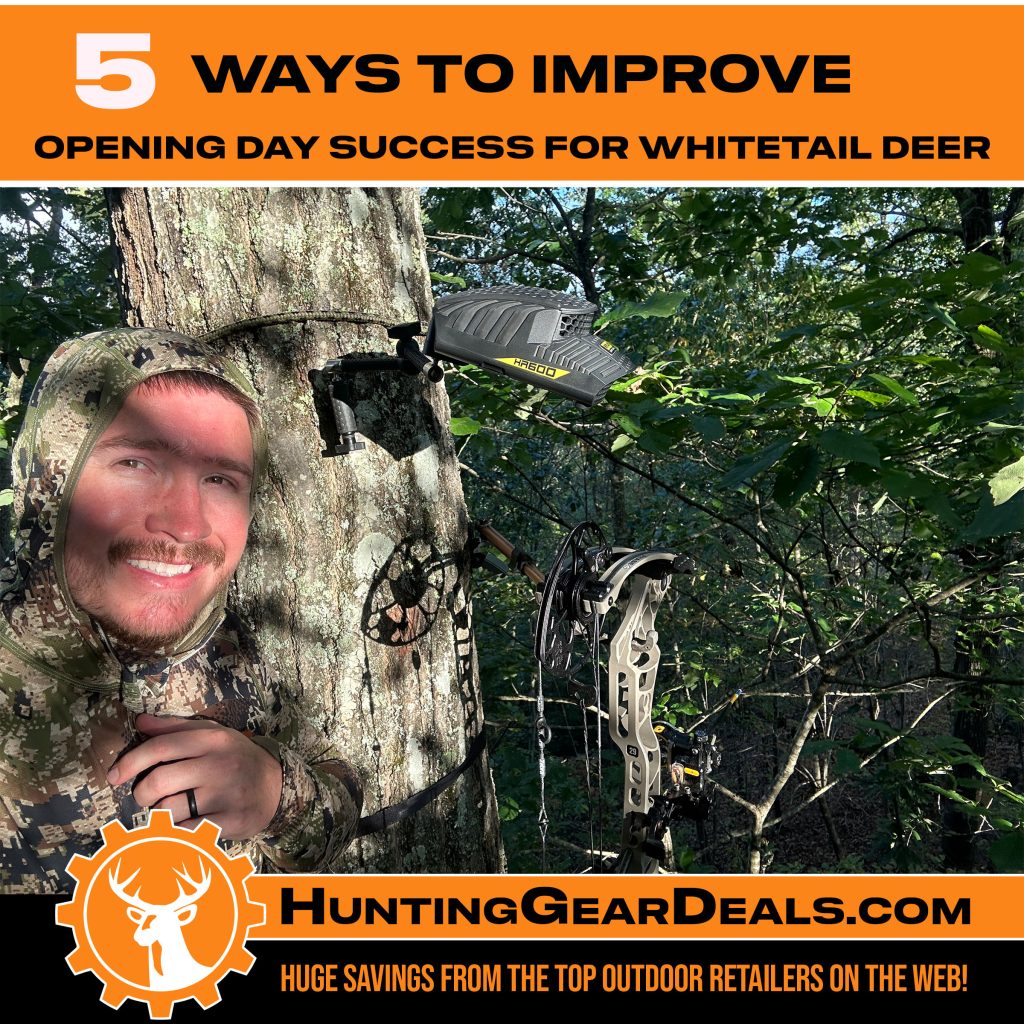
5 Ways to Improve Opening Day Success for Whitetail Deer

Opening day of archery season might be the most anticipated day of the year for deer hunters like you and me.  Months of preparation, trail camera photos, glassing sessions, countless arrows sent down range, and gear tinkering all lead up to this one shot—pun intended—to punch your tag before the woods are flooded with hunting pressure. But despite all the excitement, opening day can be one of the most challenging times to hunt mature bucks, especially in wooded environments where deer can’t be readily observed in open fields along the roadside.

As a seasoned whitetail hunter and gear reviewer, I’ve spent years chasing early-season success. I’ve hunted opening day in Kentucky, Ohio, West Virginia, and more.  However, there are other states where seasons open as early as mid-August. Each hunt teaches me something new, but one thing always holds true: preparation trumps luck.  You don’t get lucky during the early season; you only capitalize on the hard work that you’ve put in during the weeks or months beforehand.  You can save the luck for the whitetail rut!

Below, I’m breaking down five key strategies that will help you improve your odds of tagging a mature buck during the first few days of archery season. These tips are tailored specifically to the unique challenges of hunting in warm weather, low-pressure conditions, and pre-rut behavior that define the early season.  At the end of the day, the best advice I can give you is to hunt during a front if one presents itself during the early season, but Mother Nature’s plans don’t always align with our goal of tagging a buck on the first sit of the season.

early season deer hunting

1. Know When and Where Seasons Open Early

Some states offer the chance to hunt whitetails earlier than others, giving you a crack at mature bucks before they shift into fall behavior. These early openers often coincide with the tail end of summer patterns, making deer more predictable and more likely to move during daylight hours.  There’s no better summertime deer hunting-related activity than driving through farm country, glassing big velvet bucks from the truck with the family.  We make it a game to set a goal on how many deer we think we’ll see each evening before our scouting session.

States with Early Openers:

  • Florida (Zone A): Opens as early as late July.
  • South Carolina (Lowcountry): August 15 opener with both archery and rifle allowed in certain zones.
  • Tennessee (Private Land Velvet Hunt): Special August hunt for bucks in velvet.
  • Kentucky: Typically opens the first Saturday in September.
  • North Carolina & Georgia: Early to mid-September openers.

These states offer an excellent opportunity to hunt bucks in velvet—a rare experience that many hunters dream about. Bucks are still grouped up in bachelor groups during August and are incredibly predictable. They’re focused on food, not does, and haven’t yet felt the pressure of hunters entering their core areas.  Disclaimer: These dates will change from year to year, so be sure to check your local regulations before venturing into the whitetail woods.

But once mid-September rolls around, the velvet comes off. Bucks start separating from bachelor groups, their testosterone increases, and they begin shifting into fall ranges. This behavioral change is subtle but significant. You’ll notice bucks getting more nocturnal, showing up less consistently, and changing their travel routes. That’s why targeting opening day or the first week of the season is so important—you’re capitalizing on a short-lived window of vulnerability.  The opportunity to take advantage of the hard work and months of preparation may be short, but you’ve had plenty of enough time to prepare for opening day!

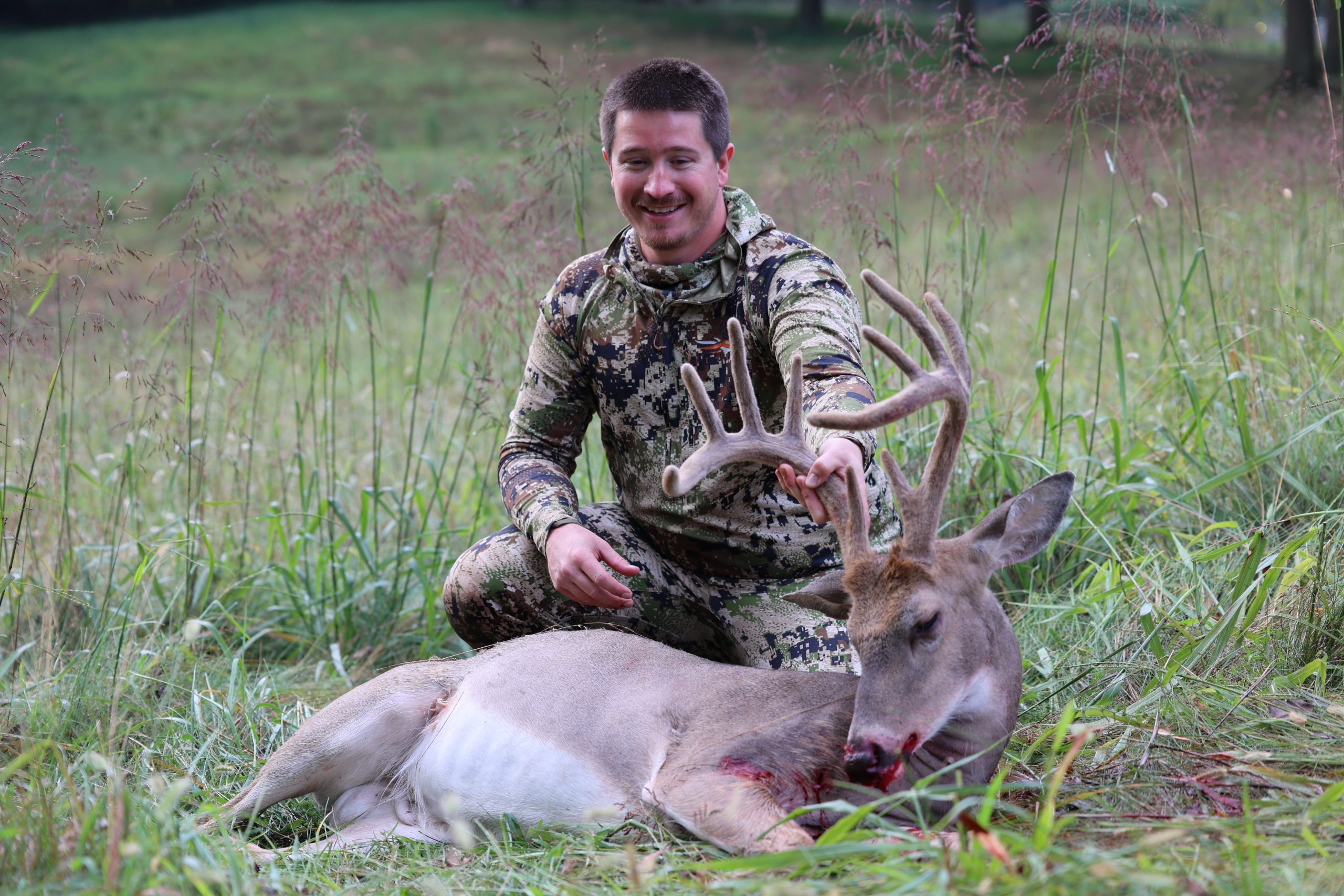
I’ve been lucky to draw a tag during West Virginia’s Urban Deer Season and have taken a few bucks through the years before most hunters in the Mountain State have their bow sighted in!  One of those buck was in full-velvet, making the hunt much more memorable.

opening day of deer season

2. Focus on Food, Not Rut

In the early season, bucks aren’t chasing does. They’re fueling up for the rigorous season that lies ahead. This is the most consistent and reliable time to pattern mature bucks based on their feeding behavior. If you know what they’re eating and where they’re bedding, you can position yourself to catch them moving in daylight.  Bedding areas will change with wind directions, and so will their approach to and from food sometimes.  I never hunt mornings during the early season, but if I have an evening pattern, especially during a small front (decrease in temperature or rain event) I’m calling off work and heading to the stand.

Hot Food Sources to Key In On:

  • Soybean Fields: Green soybeans are like candy to whitetails throughout the summer and into September.  When the leaves start changing to yellow in September, they lose their attractiveness and palatability, so they may not be attractive very long during the start of archery season.  A common substitute for soybeans in West Virginia is kudzu, an invasive species that grows fast and will destroy a local ecosystem.  However, deer love kudzu, and it’s one of my secret weapons when hunting the mountains of southern West Virginia.
  • Alfalfa & Clover: Clover is quite common in my neck of the woods due to its early production and resistance to drought, as well as its ability to bounce back from browse pressure.  Alfalfa is more popular in colder climates, but it’s a great food source regardless of its location.  Both options are a good second choice when soybeans aren’t available.
  • Early-Dropping Acorns: If you have a white oak that drops early, it can pull deer away from ag fields.  The tell-tell sign of the “October Lull”, white-oak acorns hitting the ground.  Nothing will change deer behavior than white oaks hitting the ground.  If you can find the right tree at the right time, you can find success.  However, in my neck of the woods, white oak trees are plentiful, and when they hit, the deer don’t have to travel far to fill their belly!
  • Natural Browse: Honeysuckle, forbs, greenbrier, and edge vegetation.  The most overlooked food source and a deer’s primary food source.  Studies show that native browse makes up a huge chunk of a deer’s annual diet.
  • Food Plots: Early-season plantings like oats, clover, or brassicas are ideal if you have the land and equipment to develop your property into a deer haven.

Hunting Over Bait (Where Legal)

In some states, baiting is legal on private land. Corn piles or feeders can be incredibly effective tools for patterning and hunting deer. I’ve hunted over bait in places like West Virginia and Ohio, and there’s no denying its effectiveness, especially when used in conjunction with cellular trail cameras to pattern movement. Not everyone likes the idea of hunting over bait, and that’s fine. But if it’s legal and fits your hunting style, it can be a game-changer in the early season.  It’s also a great way to introduce kids to hunting.  My favorite time of the year is when I get to share a blind with my little hunting buddy.

how to scout for deer

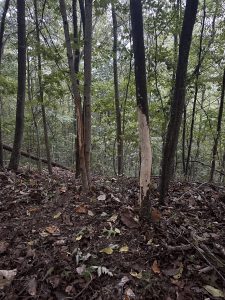
3. Scout Smart and Stay Low Impact

Scouting is essential, but it must be done carefully in the days leading up to opening day. You don’t want to tip off a mature buck that he’s being hunted before the season even begins.  Staying behind the glass is a Western trait that whitetail hunters should apply to their hunting strategy.   In some areas, you can simply scout from the truck, and it makes a great way to introduce the family to hunting, without them having to participate in the hunt.

Scouting Tips:

  • Long-Range Observation: Use optics to glass fields from a distance in the evenings.  Make sure you glass from an area where you can get in and out without getting busted.  Your presence will change how deer behave in the future.  Pulling up to a bean field in your truck will impact how deer use the field; do it enough times, and you’ll push them to be more nocturnal.
  • Trail Cameras: Place cameras near food sources, mineral sites, and entry trails.  Bait piles, too!  Cellular trail cameras have changed the way we hunt, especially over bait.
  • Mock Scrapes: Some bucks will start visiting scrapes early. Cameras on mock scrapes can reveal new bucks moving in the area.  This is my favorite way to entice deer into frequenting my hunting spots.  Mock scrapes work all season long, especially during the early season, and watching big bucks work a mock scrape provides a unique look into deer behavior that we rarely get to see!=.
  • OnX Hunt & Topo Maps: Use digital scouting tools to identify pinch points, food-to-bed travel routes, and bedding cover.  Preparation and planning are key.  I use OnX Hunt every single day.  I’m not joking. I use it for real estate and hunting virtually every single day.

Be cautious of over-checking cameras or walking in bedding areas. Boots on the ground = pressure. The more invisible you are, the better your chances of encountering that buck on opening day.

best scent control for deer hunting

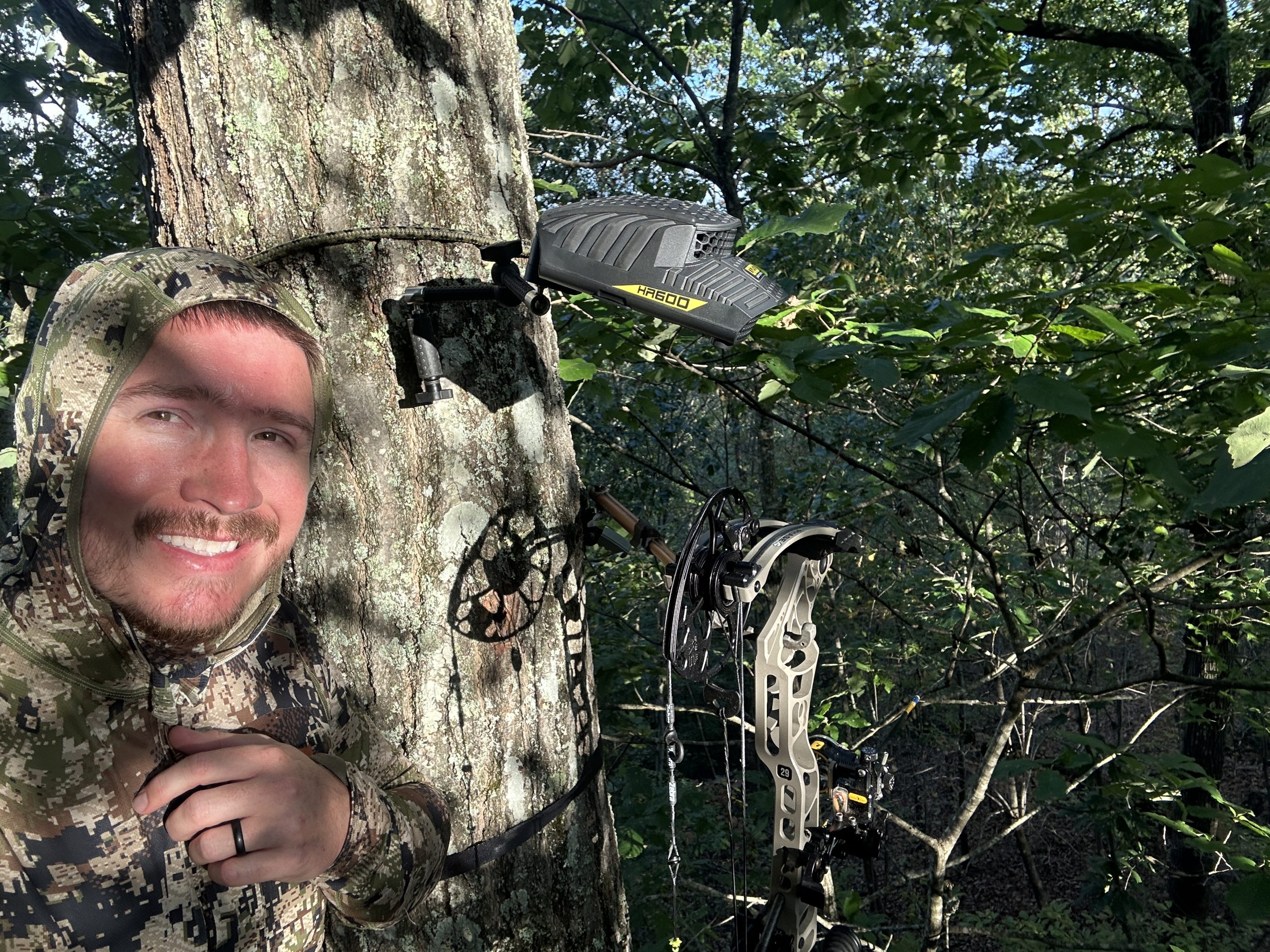
4. Hunt the Right Wind — And Be Mobile

Early-season bucks may be easier to pattern, but they’re still extremely sensitive to wind and pressure. One blown setup could cost you the best buck on your property.  You do not have room for error when it comes to early-season temperatures and hunting the correct wind.  Factor in dropping or rising thermals, and it gets tricky, real tricky.  Do yourself a favor and review my scent control regimen to better prepare yourself for opening day success.

Key Strategies:

  • Play the Wind Relentlessly: Always know the wind direction and how it affects your setup.  Pay attention to the hourly report and the expected weather changes.
  • Thermals Matter: In hill country, thermals rise in the morning and fall in the evening. Hunt accordingly.  This is the hardest step to master and we all get busted on occasion.  If wind speeds are expected to drop before dark, expect thermals to be a key factor in your success.  If high winds are expected all evening through the night, you might be in luck!
  • Mobile Setups: Use a saddle or lightweight hang-and-hunt system to stay flexible and adapt to changing winds.  Don’t overexert yourself and get all sweaty and stinky before the hunt starts.  I’ll strip down to my undies if I have to.
  • Entry and Exit Routes: Map quiet, hidden paths that won’t cross major deer trails or bedding areas.  You trim shooting lanes, so why not trim your walking trail?  My best early-season stand sites are easy to access.

Opening day should be a precision strike, not a shot in the dark. The conditions need to be right, and you need to hunt with confidence, which comes from preparation and wind discipline.   Not to get political, but you need to strike like the United States did when it attacked Iran’s nuclear weapons facilities.  Quickly and efficiently.

how long will it take for ice to melt in rtic cooler

5. Be Prepared to Recover and Cool the Meat Fast

One of the most overlooked aspects of early-season hunting is meat care. It’s not uncommon for opening day temps to push 80+ degrees in southern states. If you make a shot and recover your deer, your job isn’t over. In fact, it’s just getting started. Make a bad shot and have to leave your deer overnight before recovering, and you’re probably going to waste a lot of good venison.

What I Bring for Meat Recovery in Warm Weather:

  • Game Bags: Lightweight and breathable to keep bugs off while allowing cooling.  HuntingGearDeals.com can help you find the best deal on them!
  • Field Dressing Kit: Sharp knife, gut hook, gloves, wipes.  Watch a YouTube video if you need to learn how to break a deer down after the kill.
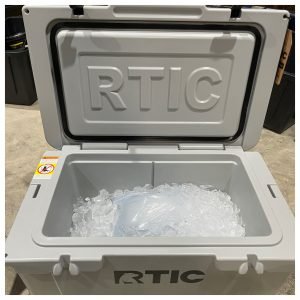
  • Large Cooler with Ice: Keep it in the truck, or even pack ice with you.  Dry ice is essential when I travel out of state.
  • Deer Cart or Sled: Dragging a deer in the heat is not only exhausting but risky for meat spoilage due to the amount of time it takes to drag one out. If you can use an ATV or eBike, you’ll be better off.

If you’re hunting a remote spot, have a plan to get that deer out and on ice quickly. That may mean quartering the deer in the field or packing it out in pieces. Either way, the clock starts ticking the moment that arrow hits its mark.

Final Thoughts: Stack the Odds in Your Favor

Opening day success doesn’t happen by accident. It takes planning, patience, and an understanding of how early-season deer behave. You have to control what you can: your scent, your access, your scouting pressure, and your timing. If everything comes together, you could find yourself standing over a velvet-racked buck before most hunters even hit the woods.

Use these five strategies to put yourself in the best position possible. Focus on food, scout smart, hunt the wind, stay mobile, and be ready to recover your deer quickly. Early season whitetail hunting is hot, humid, and often uncomfortable, but it can also be your best shot at a mature buck all season.

Good luck this fall. And if you tag out on opening day, don’t forget to send in a photo—we’d love to feature your success story on Hunting Gear Deals!

self-filmed velvet buck hunt

Hunting Gear Deals is funded by affiliate commissions. We may receive a small commission when you buy from our partners using the links provided. There is no additional cost to you. Thanks for supporting us by using our links when making your purchases.

Most Popular

Menu