Planning a DIY bowhunting road trip for whitetail deer? Me too! Whether it’s your first out-of-state trip or you’re an experienced road dog bouncing between various states each season. I’ve traveled to new areas blindly and hunted hard with little strategy. I’ve done a preseason scouting trip to prepare for a whitetail rut hunt. Each hunt yielded different results, but each trip taught me valuable lessons in the whitetail woods.
1. Do Your Homework Before Leaving Home
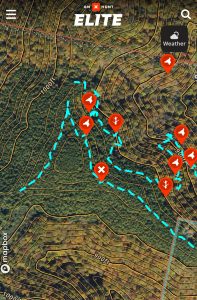
Use modern technology to your advantage. For instance, I utilize OnX Hunt for digital scouting nearly each day. Understanding how to interpret topographical maps is the first step to success!
-
Start with aerial photos and topo maps from OnX Hunt, HuntStand, or Google Earth. Look for pinch points, bedding cover, food sources, and possible access routes. You’ll want to identify the most obvious places that other hunters are likely to hunt. You can usually cross those areas off your list of potential hunting spots.
-
Call local biologists and game wardens. They can tell you about deer populations, hunting pressure, and recent habitat improvements like food plots or timber cuts. Most aerials won’t be up to date, so getting first-hand knowledge of potential changes to the landscape can save you a lot of headaches. Imagine showing up to hunt a property that had a recent timber harvest the weeks prior!
-
Ask about all types of hunting pressure: upland hunters, duck hunters, small game seasons—even nighttime raccoon hunters with hounds can affect deer patterns. You’ll want to familiarize yourself with the legal game species and the season dates for each property.
2. Scout Diligently When You Arrive
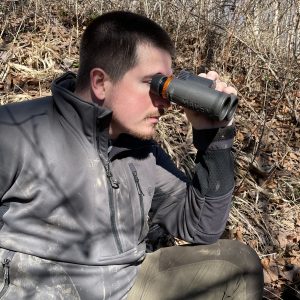
One of the biggest mistakes new DIY hunters make is climbing straight into a tree. You should spend your first day or two just walking, glassing, and observing. Scouting for fresh sign will build confidence in the area and help you stay in the stand longer, especially during all-day hunts. Spend evenings glassing fields from a distance with binoculars or a spotting scope. In some areas, you can drive around and scout from the road. This is often how I spend my first day of scouting: pay attention to fresh tracks in parking areas and vehicles parked along the roadway. You should be on the hunt for:
-
Fresh tracks and trails
-
Recent rubs and scrapes (season-dependent)
-
Bedding to feeding patterns
-
Hunter access points that others might overlook
- Other hunters and where they’re hunting!
3. Use Scouting Cameras Wisely
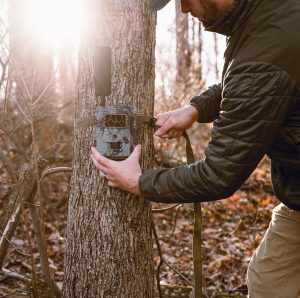
Scouting cameras can make or break your hunt. Spartan Cameras, with their cellular capabilities, let you monitor deer movement remotely without excessive intrusion. Don’t worry, if you don’t have cellular reception, you can still utilize standard SD cameras, and they’ll work just fine. You don’t have to be as careful about pushing deer out of an area, especially if you’re only going to be hunting for a few days.
Pro Tip:
During the rut, hang Spartan Cameras over primary scrapes. These locations can inventory nearly every buck in the area within a few days. You’re only going to be there for a few days, so get aggressive!
4. Only Hunt When You Have Confidence in the Spot
There’s nothing worse than wasting a day sitting in a marginal stand while doubting your location. Don’t settle on a mediocre spot just to be in a treestand. There’s plenty of time to hunt once you find a good area. On a seven-day hunt, it’s perfectly fine to spend the first 3 days scouting. When you finally commit to a stand, you’ll have the confidence to sit all day knowing you’ve done your homework.
Before hunting:
-
Review trail camera data
-
Analyze fresh sign
-
Check the weather and wind with your favorite hunting app
5. Stay Mobile and Flexible
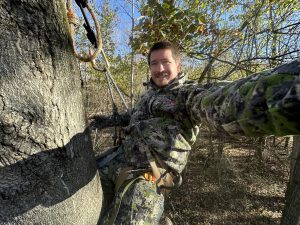
Conditions change fast on public land, and you must be able to adapt. Wind directions change, weather fronts, and the inevitable run-in with other hunters can throw a wrench in your game plan. You’ll need to have multiple backup plans, so your OnX Hunt app should have a few extra waypoints on nearby public land spots. When it’s time to make a move, you’re going to wish you had spent a little more money on a lightweight hang-on and sticks or a treesaddle. Mobile hunting gear like lightweight hang-and-hunt stands, climbing sticks, and saddle hunting setups will help you stay flexible, but they don’t have to break the budget. Pay attention to the HuntingGearDeal.com Daily Deals for the best prices on hunting gear.

6. Hunt Hard and Stay Mentally Tough
DIY road trips are physically and mentally demanding. You’ll likely hunt from dawn till dark for 7-10 days straight, or as long as your schedule will allow. The average weekend warrior isn’t used to this grind. By day four, that snooze button will start calling your name at 5 AM. It’s ok to take a break or sleep in. In fact, one of my hunting buddies will routinely sleep in, even on purpose, to help him prepare for a midday hunt. It certainly makes the evening hunt easier when you’re not hungry or tired. As important as it is to recharge your batteries from time to time, it’s just as important to stay positive. A phone call to the right hunting buddy can certainly put things into perspective.
7. Set Realistic Expectations
Let’s face it, outdoor TV and social media can warp expectations. We’ve all been guilty of scrolling through Instagram, thinking that if you owned 100 acres of land in Iowa, you could kill giant bucks, too. We gear up and head to the Midwest, thinking there’s a shooter buck behind every tree. Newsflash, you’re unlikely to arrow a 150-inch buck on your first out-of-state, public land hunt. Trust me, I know because I’ve been there. Your first out-of-state hunt should be an exciting experience where you put your scouting and hunting skills to the test. Remember, even experienced DIY public land hunters don’t tag a mature buck every year.
Instead:
-
View your first hunt as a learning mission
-
Test your scouting and hunting skills in a new area
-
Enjoy the adventure of seeing new terrain and learning deer behavior in new areas
- Take a friend with you!
Final Thoughts
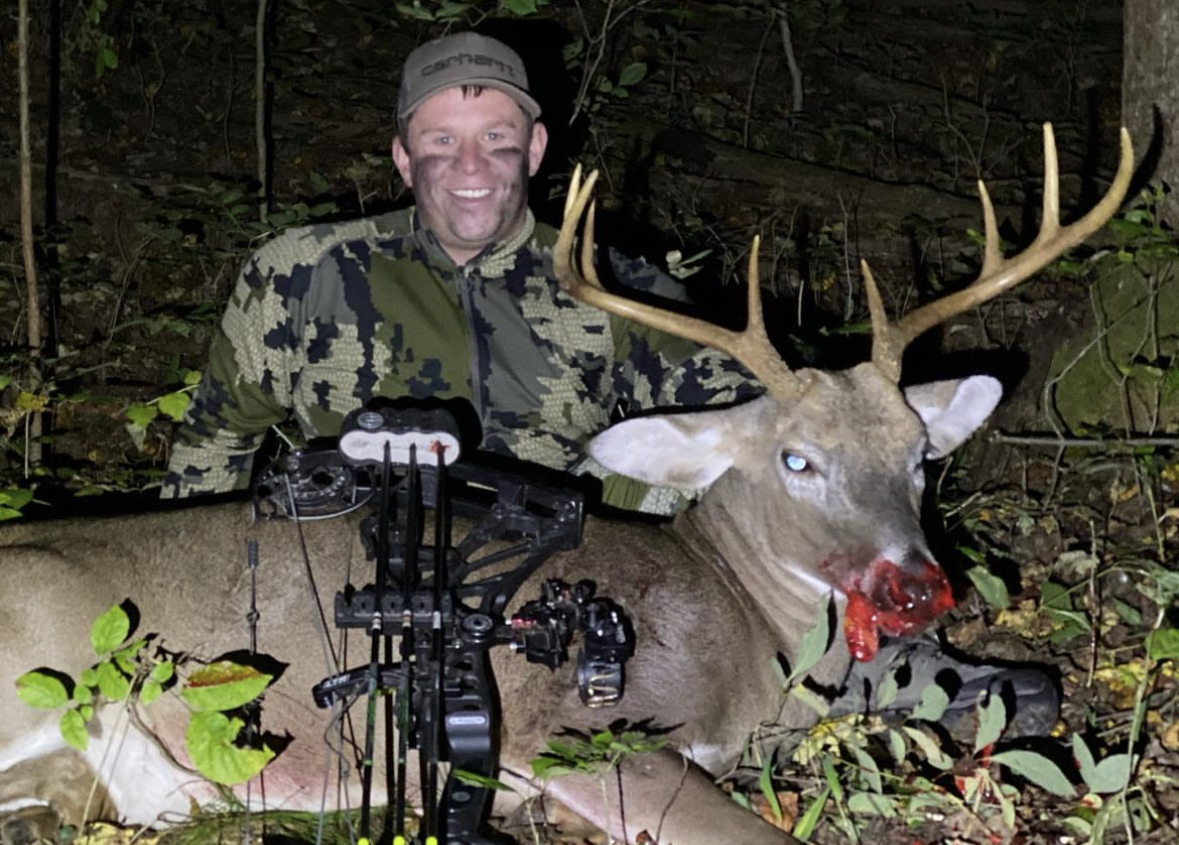
Public land bowhunting road trips aren’t about guaranteed success—they’re about challenge, adventure, and building your skills as a whitetail hunter. Sometimes, traveling only a few counties away provides a hunter with a different style of hunting and a break from the norm. You’ll want to have realistic expectations and be sure to do your homework before heading to the field. The next time you load up the truck, you’ll head out with a game plan—and a much better chance of bringing home a buck.
Hunting Gear Deals is funded by affiliate commissions. We may receive a small commission when you buy from our partners using the links provided. There is no additional cost to you. Thanks for supporting us by using our links when making your purchases.