The “October Lull” often scares bowhunters out of the woods, but savvy whitetail hunters know better. While some deer hunters think that deer movement can decrease during mid-October, this month offers some of the best low-pressure opportunities of the season. In fact, October 17 has been labeled my son’s lucky hunting day. He’s harvested two bucks on this date, and I’ve found success during this same period as well. Movement patterns shift, not deer movement, and finding an area where bucks are migrating towards as the pre-rut approaches is the key to success.
Here are five compelling reasons to grab your bow, hit the stand, and capitalize on October’s hidden potential.
1. Low Hunting Pressure Means Less Educated Deer
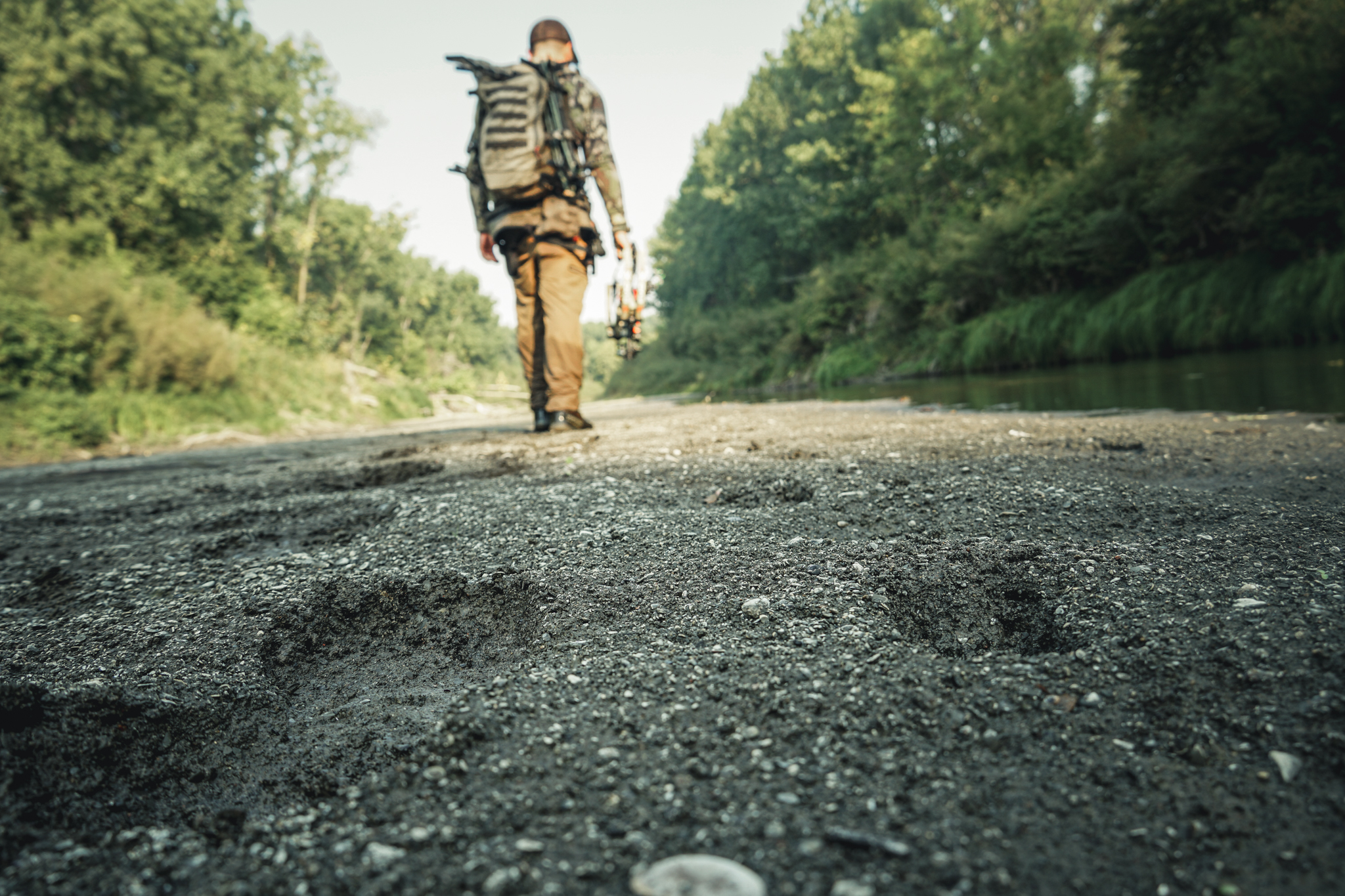
October may be the most overlooked month in whitetail hunting. According to surveys by the National Deer Association (NDA), hunter participation dramatically increases during November. This means that during October, especially on public land, you’ll often have the woods to yourself. Fewer hunters in the woods translates to less pressured deer. Bucks that haven’t been bumped from their bedding areas and they’re less nocturnal. A 2019 Penn State Deer-Forest Study found that mature buck daylight activity was noticeably higher before peak hunting pressure began.
Personal experience hunting during this time yields consistent success. Imagine pulling up to a huge tract of public land and having the whitetail woods to yourself! That’s a possibility for hunters willing to put in the work during this time of the season.
Public Land Bonus
October is prime time to hunt heavily pressured public land without the competition you’ll face come November. Weekdays are especially quiet.
2. Predictable Buck Movement
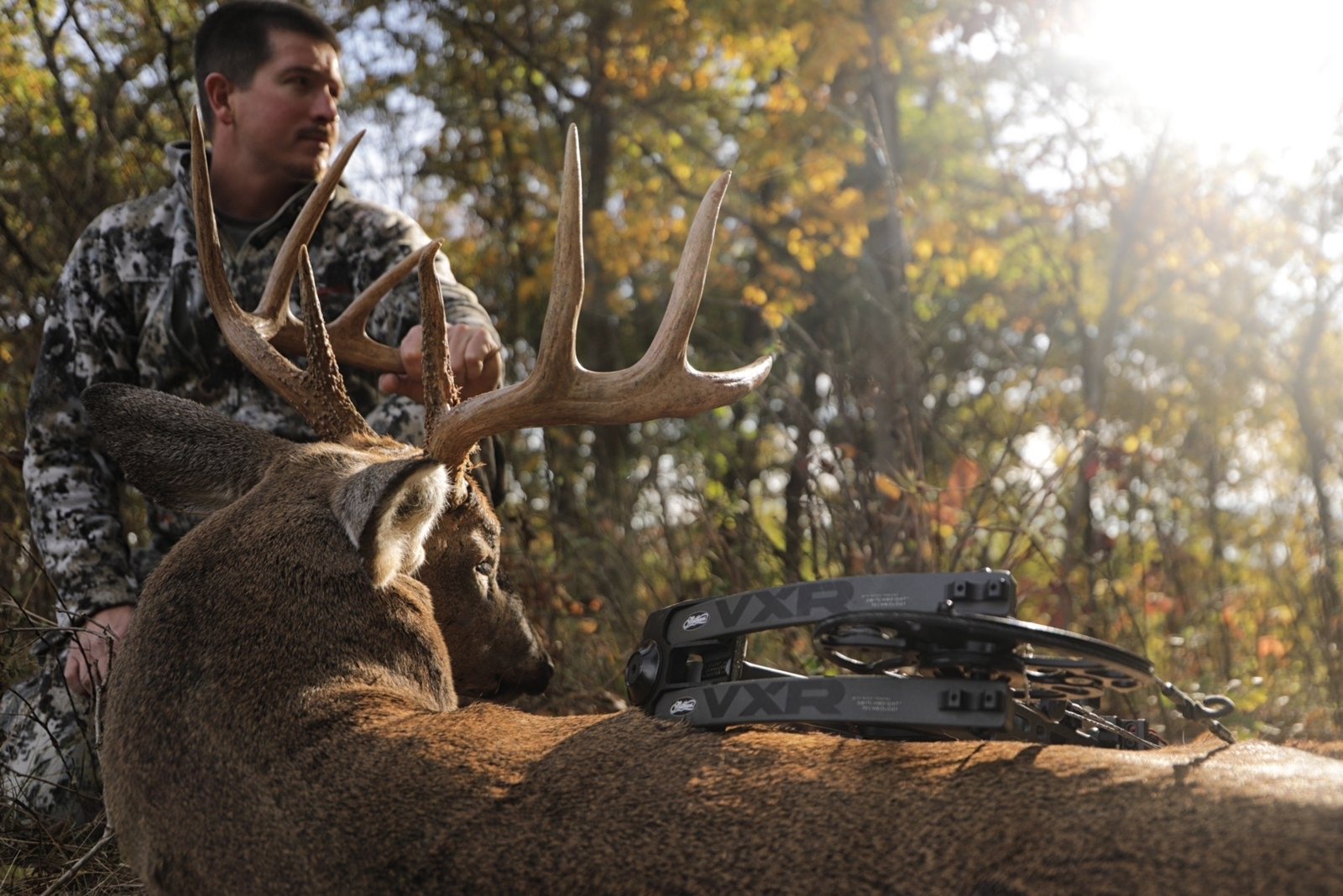
October deer behavior revolves around food and bedding with relatively stable patterns. Acorns, cut corn fields, soybeans, and green food sources like alfalfa are magnets for bucks. Changes in deer behavior are often reflected by the food source, such as crop fields being harvested or acorns hitting the ground. There’s also a major shift in scrape activity, so now’s the time to fire up those mock scrapes (if legal) in your preferred hunting location.
Early to Mid-October Behavior
-
Bucks typically bed close to food sources.
-
Afternoon movement towards food begins before sunset, especially during cooler days.
-
Morning return routes from feeding to bedding are slower and more deliberate.
Biologists from Mississippi State University’s Deer Lab report that bucks maintain summer-to-fall transition patterns well into October until significant rut hormones kick in. For bowhunters who value patternable deer movement, October offers one of the best windows to catch a buck following a daily routine. From what I’ve observed, bucks use this timeframe to fill their bellies before the rigors of the rut. If you can find a high-quality food source on a small cold front, you’ll drastically increase your odds.
3. Perfect Weather for Hunting and Scouting
October weather offers some of the most enjoyable hunting conditions of the year. With mild temperatures and low humidity, stand time becomes more comfortable. Bugs are disappearing, and we welcome the decrease in temperature. Match this with a small cold front, maybe a rain system that moves through during the morning hour,s and you’ve got the perfect scenario for a buck to be on his feet well before daylight. It’s nice to walk to and from the stand without being soaked in sweat or sitting in a tree and not having to fight off mosquitoes.
Additional October Advantages:
-
Cooler temperatures: Bucks move more with cold fronts.
-
Colorful foliage: Behold God’s beauty as the changing colors of the leaves paint the landscape.
-
Minimal bugs: Post-frost periods reduce mosquito and tick activity.
October is run trail cameras, and observe bedding and feeding areas. This intel becomes gold once the rut kicks off.
According to a QDMA article on early season success, hunters who scout during October often have more precise rut stand setups come November.
4. Calling and Rattling Actually Work in October
Late October is the best pre-rut period for grunt calls and rattling sequences. Testosterone levels in bucks start rising, triggering territorial aggression and curiosity. This is more towards the last week of October, but I’ve found consistent success mid-October by using scents. Doe-in-estrous and other various attractants can be deadly. Remember, the whitetail rut is like a Bell curve, starting slowly in October and peaking in November. Use this to your advantage as bucks are willing to compete for the first estrous doe of the season.
According to research from Dr. Mickey Hellickson, former Chief Deer Biologist for King Ranch in Texas, calling and rattling success rates peak during the last 10 days of October for mature bucks. Pro Tip: Focus your calling near thick bedding cover and use topography or vegetation to limit a buck’s ability to see your position. Bucks need to come close to investigate, increasing shot opportunities. Make sure your set-up limits the bucks ability to catch your downwind side!
5. Hunting Fresh Sign and Scrapes Can Pay Off
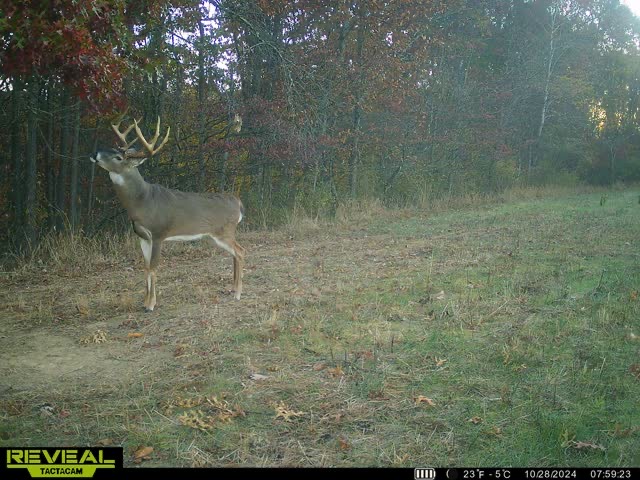
Scrapes and rub lines explode with activity by the last week of October. Unlike November, when scrape visits become mostly nocturnal, late October sees significant daylight scrape activity. Scout heavily during this time and be prepared to deploy an arsenal of trail cameras on fresh sign. A few years ago, I discovered a ridgetop with a small water source where deer were crossing from their bedding areas to feed on acorns around the ridge. The ridgetop was loaded with scrapes from the previous season.
I deployed a Spartan Camera, revealing a mature buck that was passing through the area. Real-time imaging revealed a patten adn I was able to capitalize on the predictable movement as the buck worked a scrape just a few yards from my stand location.
Hunting Tips for October Sign:
-
Set up downwind: Bucks will scent-check scrapes from downwind.
-
Use scent attractants: Products like RAW Frozen Scents work well.
-
Mock scrapes: Create your own if natural scrapes aren’t in good stand locations. Bucks will investigate fresh disturbances.
*Data from trail camera studies confirms a noticeable spike in scrape visits between October 20–31 across much of the whitetail’s range.
Final Thoughts: Don’t Waste October
The “October Lull” is more myth than reality—especially for bowhunters willing to adapt. Low pressure, predictable patterns, cool weather, responsive bucks, and active sign give hunters every reason to get in a tree stand during October. I’ve found consistent success in patterning bucks during this time, and staying alert for fresh sign in new areas allows me to capitalize on the opportunity and kill a buck when he’s killable.
Hunting Gear Deals is funded by affiliate commissions. We may receive a small commission when you buy from our partners using the links provided. There is no additional cost to you. Thanks for supporting us by using our links when making your purchases.