Opening day of deer season is circled on every hunter’s calendar. It’s a fresh start, full of anticipation, with the goal of harvesting a big buck. But turning that excitement into a filled tag—especially for Eastern whitetail hunters targeting public land—requires more than luck. Success comes from preparation, scouting, confidence, and making the right stand choice. One crucial piece of that puzzle is what I call “Finding the Killing Tree.”
This isn’t just about finding a tree to hang a stand in. It’s about identifying the single best ambush spot where deer movement, terrain, and your preparation come together for the perfect shot opportunity.
The Backstory: Learning From a Friend
When I first moved to Ohio, I met a guy at work who also shared a love and passion for the outdoors. I began tagging along with him on some scouting trips to private and public land in the area, and one location stuck out. Our hike into this property didn’t excite me. The deer sign was prominent and there wasn’t a single thing that stood out to make this area look like a big buck killing spot. However, he pointed up to a tree and said this is “The Killing Tree”.
Years of hunting this property had yielded few results until he found this particular spot. He had struggled to fine-tune his approach on this large chunk of private land that bordered a small section of public land. However, as we approached his stand location, he began reminiscing about how many deer he and his buddies had killed from this tree. I began scanning the area for the subtle differences that made this spot so productive, taking mental notes of my surroundings. The spot didn’t stand out to me at the time, but they nicknamed this stand location The Killing Tree for a reason.
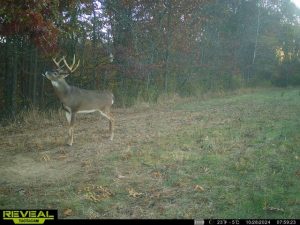
The opening weekend of that season proved its worth once more when he texted me a photo of a mature buck that he arrowed from that very spot we had visited a month prior.
Why Confidence in Your Stand Location Matters
Hunting expert Mark Kenyon from Wired to Hunt puts it best: “Confidence is everything in deer hunting. If you don’t believe in your spot, you won’t hunt it effectively.”
Hunting is very similar to fishing. If you have a favorite lure, you’ll keep coming back to it, and every time you tie it on during the right conditions, you expect to catch fish. Early in my public land hunting journey, I rushed into stands after finding fresh buck sign rubs, scrapes, or fresh trails. I’d sit there, surrounded by deer sign, only to watch the sun fade over the horizon and squirrels bounce from tree to tree.
Now, I have areas that I can predict a mature buck’s presence simply by looking at the calendar or wind direction. This comes from time spent in the treestand, not only successful hunts but failures as well.
Scouting Like Your Hunt Depends on It (Because It Does)
If you want opening day success, your work starts weeks—if not months—before the season. According to Dan Infalt from The Hunting Beast:
“Boots on the ground scouting will teach you more than a thousand trail camera pictures ever will.”
Finding the spot within the spot or the killing tree doesn’t occur by happenstance. It’s from scouting, trial and error, and aggressive decision making that pushes the envelope from time to time. If you hunt public land, expect to push deeper than most hunters. As Andy May often says: “Low-pressure areas and overlooked spots consistently hold mature bucks.” If you’ve ever watched The Hunting Public, you’ll see those guys scout their way into a hunting property to find the freshest sign possible. Being able to locate and dissect the sign in the area to find just the right spot comes from experience and time spent in the outdoors.
Key scouting priorities:
-
Identify food sources: Acorns, soft mast, or agricultural fields.
-
Locate bedding areas: Look for thick cover, points, or leeward hillsides.
-
Find terrain funnels: Saddles, creek crossings, or pinch points force deer through narrow zones.
-
Fresh sign matters: Focus on current rubs, scrapes, and tracks, not old, faded sign.
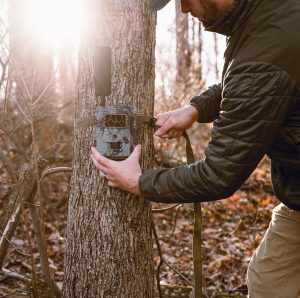
Trail Cameras: Scouting with Technology
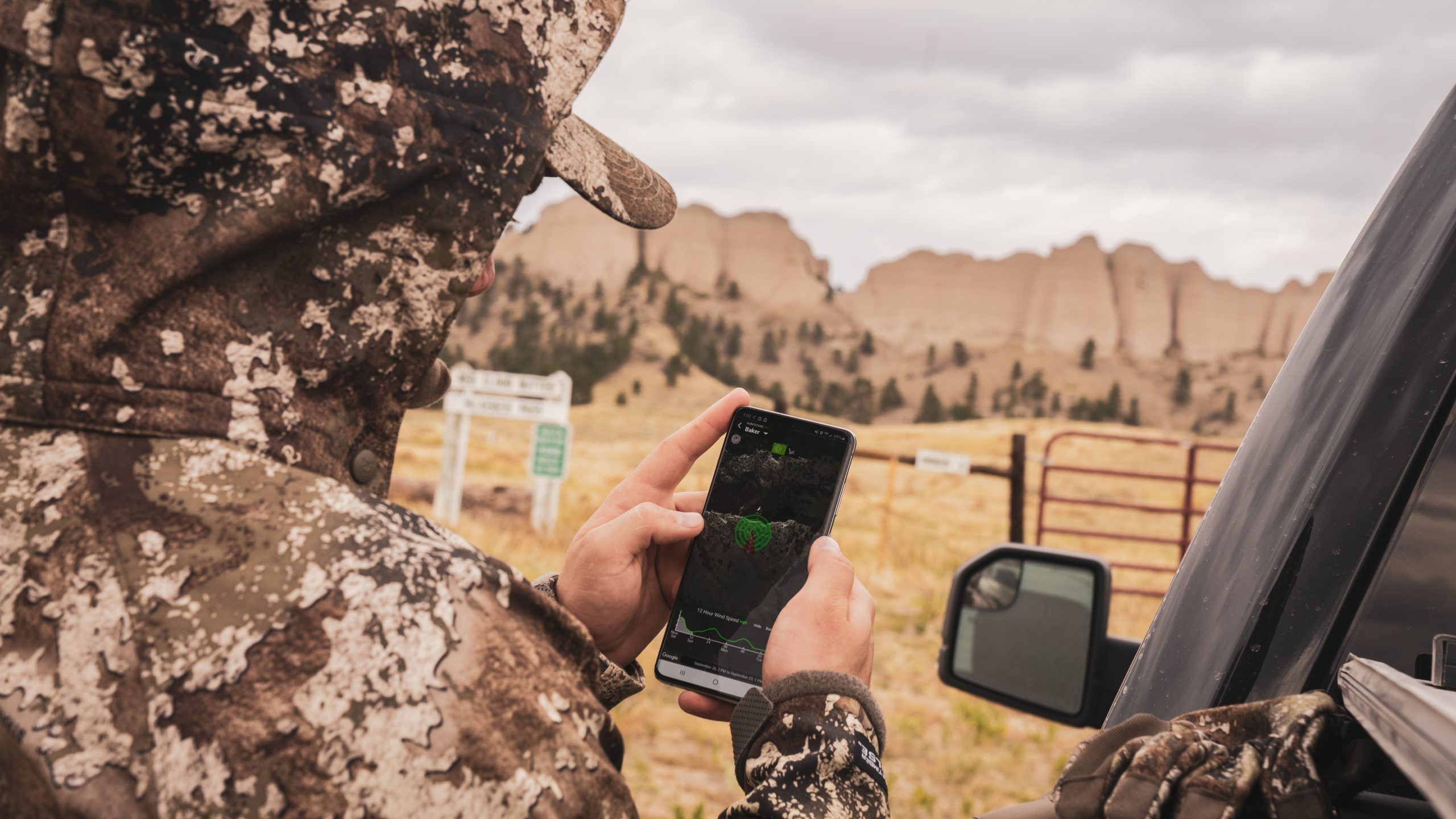
Modern trail cameras are invaluable for finding the right tree. Place cameras on community scrapes, pinch points, or high-traffic trails leading to food or bedding. For extra efficiency, use cellular trail cameras from Spartan Camera to check cameras remotely without adding pressure. Trail cameras aren’t legal in every state, so make sure you full understand the local rules and regulations, especially when hunting public land.
Tip: Create mock scrapes with the help of RAW Frozen Scents to keep bucks visiting your setup. For more details, check out our post on Best Trail Camera Setups for Whitetail Deer.
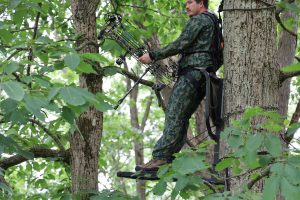
Observation Stands: Watch Before You Act
One overlooked tactic, especially for opening day, is running an observation stand. John Eberhart, known for decades of DIY success, often uses low-impact observation sits early in the season: “Seeing how deer use a property from a distance allows me to make surgical stand moves when the time is right.”
Find high ground, open fields, or staging areas near bedding, and watch how deer move in the evenings leading up to opening day. This strategy helps pinpoint where you should hunt when conditions are perfect. This can be performed prior to the start of hunting season in some area. I remember coaching a kid through social media who was an aspiring deer hunter looking to learn more. During our talks, he said he’d been watching deer from his treestand recently and saw a couple of nice bucks. My thoughts were, he’s really figured it out, he’s already using treestands to observe deer from a distance. Unfortunately, this wasn’t the case. He was sitting in the ladder stand right where he planned to kill a buck in the next few weeks.
Of course, we put a stop to this intrusion, but the damage was done. The bucks he had encountered spooked from the area, and he failed to fill a tag that season. His idea of an observation stand was up close and personal, and this is the last thing you want to do. Your goal should be to watch and scout deer without them knowing you were ever there.
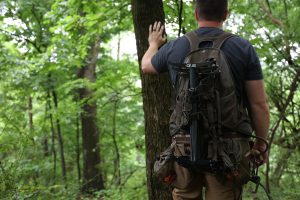
Trust Your Instincts, But Let the Sign Lead You
Once you’ve done your homework—map scouting, trail camera checks, and in-person scouting—it’s time to trust your gut. But base your instincts on fresh intel. Even when the stars align and it seems like the perfect day to hunt has arrived, sometimes it doesn’t go your way. Maybe it’s a sudden change of food sources, external disturbance out of your control, or other changes in the season. When scouting, it’s important to pay special attention to fresh sign.
One year, during the whitetail rut, I was heading to my treestand and ran into a guy who had just shot a nice buck. He began to tell me his story of capitalizing on fresh sign and how it produced a great deer. Fresh track across a dirt road was all it took for him to turn his attention down the hill and set up for a hunt. It didn’t take long, and a buck came chasing a doe by him, and the rest is history. Pay special attention to changes in the deer woods from one hunt to the next.
Look for:
-
Fresh rubs and scrapes
-
Active trails with fresh tracks
-
Recent feeding sign like turned-up soil or chewed browse
-
Bedding-to-food travel corridors
Mark Drury, from Drury Outdoors, often stresses the importance of timing: “The window of opportunity is short. When the sign is hot, hunt it now—not tomorrow.” If you wait for too much confirmation, you risk missing your shot at an opening day buck. It’s easy to throw a trail camera out and walk away, while those who have a mobile hunting approach often find success by capitalizing on the changes that just occurred.
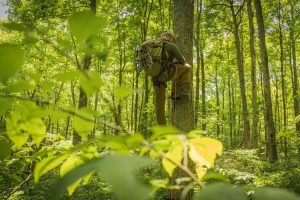
Mobility is Key for DIY Success
Opening day conditions may not be ideal. Wind directions can change. Hunting pressure may increase. Bucks may shift patterns overnight. All of the scouting in the world can’t predict some of the external forces that dictate your success in the whitetail woods.
Use lightweight mobile hunting gear like climbing sticks and hang-on stands or saddles. Being able to quickly adjust and move your setup is critical. Depending on your budget, you can build a mobile hunting system that’s lightweight and effective in helping with walk through the woods quietly. In fact, you can wear your saddle while scouting and throw up a few climbing sticks in a tree when you find fresh sign. This form hunting if aggressive, yet effective.
Final Thoughts: Finding Your Killing Tree
Every deer season is different, and every property presents unique challenges. But if you focus on fresh sign, aggressive scouting, observation, and most importantly, building confidence in your stand location, you’re setting yourself up for success. Sometimes, you need to find the killing tree for that specific day or condition, while other times, you can rely on historical data to predict when and where you should hunt. The Killing Tree is found through persistence, trial, and error.
Remember: Opening day doesn’t come with second chances. Find your Killing Tree, and make it count.
Hunting Gear Deals is funded by affiliate commissions. We may receive a small commission when you buy from our partners using the links provided. There is no additional cost to you. Thanks for supporting us by using our links when making your purchases.