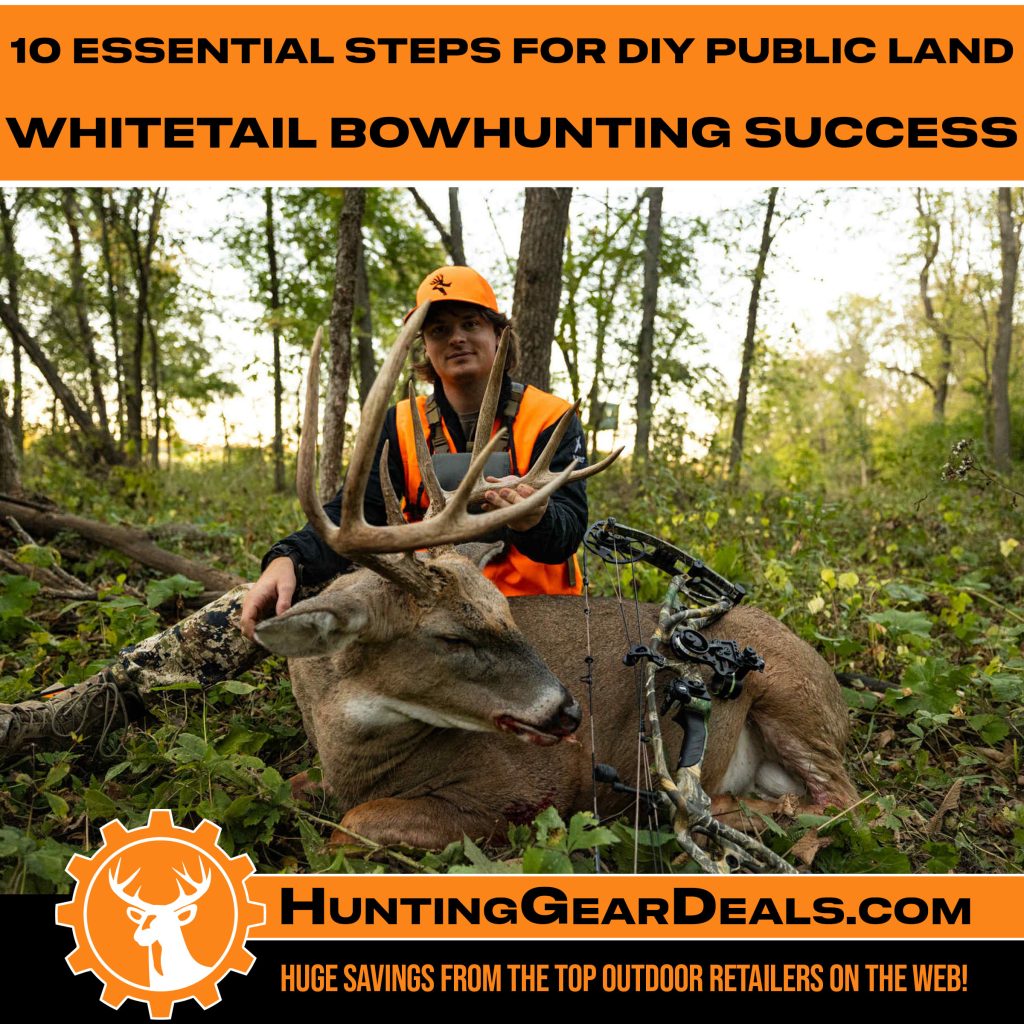
DIY public land whitetail bowhunting sounds intimidating. But with the right preparation and attitude, it’s one of the most rewarding hunting experiences you can have. Even if you own 1,000 acres of private ground that’s been manicured for decades to produce exceptional whitetails, you still need the opportunity to test your woodsmanship in a new scenario. We’ve all heard people say, “Those TV hunters couldn’t kill a buck in my state on public land if they had tried.” But my question to you is, can you?
Whether you’re planning your first out-of-state hunt or looking to improve your odds on local public land, here’s a 10-step guide to boost your success.
1. Choose the Right State
Picking the right state for a DIY bowhunting trip is crucial. Step number one overwhelms most hunters. Trying to learn about how other states function with licensing and tags can be a daunting task, but there are programs and websites that make it easy. Factors to consider:
-
Tag availability: Over-the-counter (OTC) states like Missouri, Kentucky, and North Dakota offer easy access.
-
Trophy potential: States like Iowa and Kansas require preference points but tend to produce bigger bucks.
-
Hunting pressure: States with large public land tracts (e.g., Nebraska, South Dakota) often see lower hunter density.
-
Travel distance and budget: Consider fuel, lodging, and food costs.
Pro Tip:
Use the Boone & Crockett Trophy Search Tool and consult state-specific FaceBook groups for up-to-date hunting conditions.
2. Narrow Down a Productive Area
Once you’ve picked a state, target regions with good public land access and solid deer density, you’ll need to have multiple options, either several small sections of public land within a 30-minute drive from camp, or multiple access points on larger tracts. Some counties produce larger deer than others, while other counties have higher deer densities. For instance, the bow-only counties of West Virginia offer trophy buck potential, while northern counties offer hunters a game-rich environment with increased deer densities.
Key resources:
-
State wildlife agency websites (look for downloadable maps of Wildlife Management Areas).
-
Apps like OnX Hunt and HuntStand to locate public/private boundaries and topo features.
-
Talk to local state deer biologists for herd status updates and rut timing.
Pro Tip:
Check out Walk-In Access (WIA) programs. States like Kansas, Nebraska, and South Dakota lease private land for public hunting. Don’t forget BLM land as well!
3. Scout from Home Before the Trip
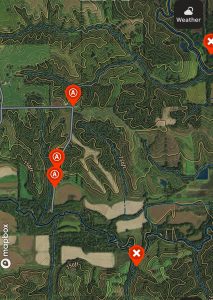
Digital scouting saves days of boots-on-ground time later. If I had a dollar for every time I’ve opened my OnX Hunt app, I’d be a rich man. It’s the most commonly used mobile application on my phone, and it’s helped me find success all across the country. My favorite success story is a buck I killed in Ohio. I digitally scouted a creek bed for an upcoming rut hunt, dropped a waypoint, and started scouting, finding fresh sign along the way. As I hunted up the creekbed, I looked ahead as antlers began walking towards me. I hunkered down and took a 20-yard broadside shot, finishing my Ohio season as soon as it started. As I gathered my thoughts, I pulled up OnX to check my waypoint and realized I was standing a few feet away from my waypoint!
Tools to use:
-
OnX Hunt: Layer aerial, topo, and private/public land boundaries. New features are added each year.
-
Google Earth: A free option to help you find funnels, pinch points, and bedding cover.
-
Topo maps: Focus on terrain features that funnel deer movement—ridges, saddles, and creek crossings. Old school way of doing it but still effective.
Tip from Mark Kenyon (Wired to Hunt Podcast):
“90% of the spots I kill deer on during out-of-state hunts were picked before I ever left home.”
4. Scout Aggressively When You Arrive
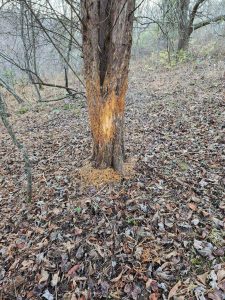
Once you’re there, walk, scout, and cover ground quickly. Unlike home ground, where you hunt carefully all season, on a short DIY trip you need to risk bumping deer to learn the area fast. This is what separates most hunters from success. You can make all of the right preparations, but if you don’t utilize your woodsmanship, you’ll miss out on fresh sign and intel that you’ll need to capitalize on in order to fill your tag.
What to look for:
-
Bedding areas
-
Trails with recent tracks
Document everything in your mapping app. Eliminate dead zones and focus on high-activity areas. Utilize the tracker app during each scouting mission.
5. Deploy Trail Cameras Early
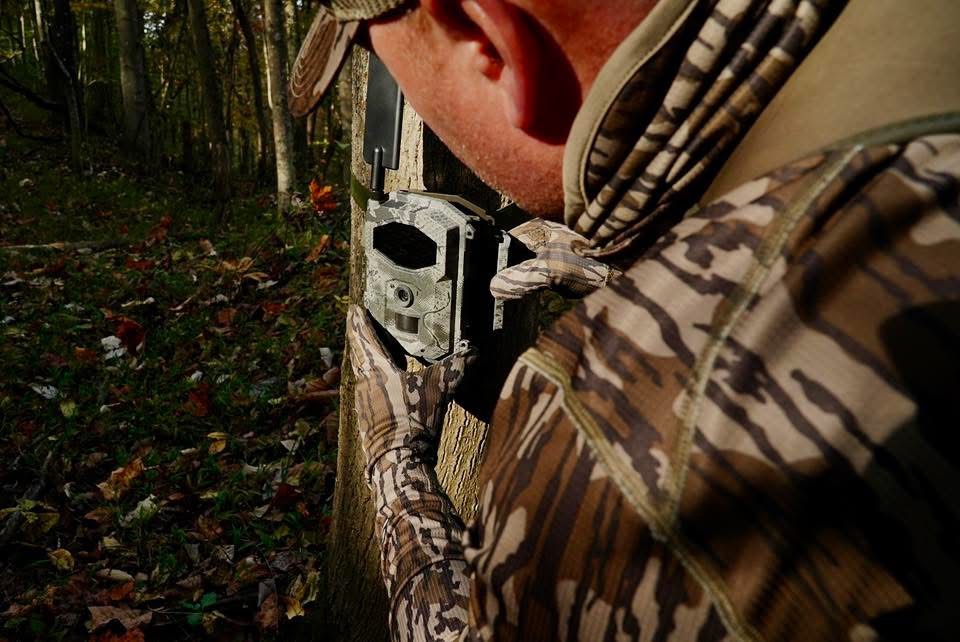
Trail cameras provide intel fast. If it’s legal in the area, it’s a no-brainer. Throw a few in your backpack on initial scouting trips, as well as a spare during your hunt. You never know when you’ll need to deploy a trail camera on fresh sign, especially on freshly kicked up dirt and urine-stained soil in a scrape! Cellular trail cameras are great if you have cell service, as they’ll provide immediate feedback. According to a NDA study, using trail cameras on scrapes in late October can help inventory 90% of the local buck population within 72 hours.
Where to hang them:
-
Scrapes and rub lines
-
Bedding-to-feeding trails
-
Waterholes or creek crossings
-
Field edges and staging areas
Public Land Caution:
Camera theft is real. Hang cameras high or use lock boxes to reduce theft. Some hunters use cheap cameras in high-risk spots and save premium models for remote locations.
6. Resist Hunting Too Soon
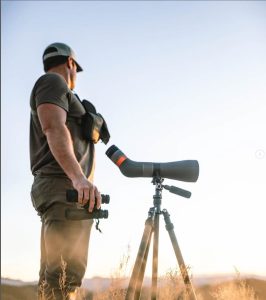
It’s tempting to climb into the first good-looking tree, but patience pays. Spend your first evening glassing from afar with binoculars or a spotting scope. Observe deer movement patterns and refine your stand sites based on real-time intel. I’ll often drive around the area in my truck looking for other hunters and marking those areas off my hunting area.
Pro Tip:
Dr. Grant Woods from GrowingDeer.TV often recommends:
“Hunt for information first, then hunt for deer.”
Confidence in your spot increases shot opportunities later.

7. Go Deep—And Stay Mobile
Most public land hunters rarely venture beyond 500 yards from parking lots. One trick I’ve learned is to identify the access points of large tracts of public land and draw a 1/2 mile radius around each point. Identify areas where the circles do not cover and start prepping for my hunt then. Others find success close to the parking areas, but those areas seem to be less common than those deeper into the property.
Get away from pressure:
-
Use topo maps to find hard-to-reach ridges, river bottoms, and thick cover.
-
Carry a lightweight mobile setup (like a saddle or lightweight hang-on stand).
-
Be prepared to move stands frequently based on wind and deer movement.
Hunting Public Tip:
The guys from The Hunting Public consistently emphasize:
“Your best bet on pressured public ground is hunting the places others won’t go.”
8. Cut Costs Without Cutting Comfort
DIY hunts are expensive, but smart hunters control costs on food and lodging. Hotels or Airbnb rentals can drastically increase the cost of your hunt, but it’s nice to have a fresh shower and a good night’s sleep on occasion. Personally, I prefer the hotel route when it’s possible. I save up my hotel rewards points from my credit card all year long so I can use them during hunting season. I’ve also slept in the bed of my truck or a tent, but I found that I’m able to hunt longer and better if I’m well rested. Food is where I prepare the most. Typically, I’ll take a little grill with me and some deer meat, deer jerky, and what I like to call my “rut snacks”. I never stop at the gas station for food, but it’s hard to pass up Casey’s Pizza after a hard day of hunting!
Lodging Options:
-
Airbnb
-
Campgrounds or tent camping
-
Truck bed setups or travel trailers
Food Tips:
-
Prep crockpot meals like chili, pulled pork, or beef stew.
-
Bring a cooler with sandwich supplies and snacks.
-
Use a small generator or battery pack for cooking appliances if needed.
Bringing your own food can save $30–$50 per day compared to eating out.
9. Manage Expectations
Don’t set yourself up for disappointment. Outdoor TV shows often feature hunts on private, managed properties with years of prep work. DIY public land hunting is different. Instagram makes it look easy, and there are some guys that manage to hang their tag on mature bucks on public land each year, but you should use it as motivation to explore new lands instead of letting the success of others dictate your expectations. Many successful traveling hunters (myself included) didn’t tag big bucks until Year 2 or 3 in a new area.
Realistic goals for Year One:
-
Learn as much as possible
-
Shoot a representative buck if the opportunity presents itself
-
Scout for future trips
- Record your findings in your OnX Hunt App so you can reference it next year.
10. Keep Going Back and Build a Knowledge Bank
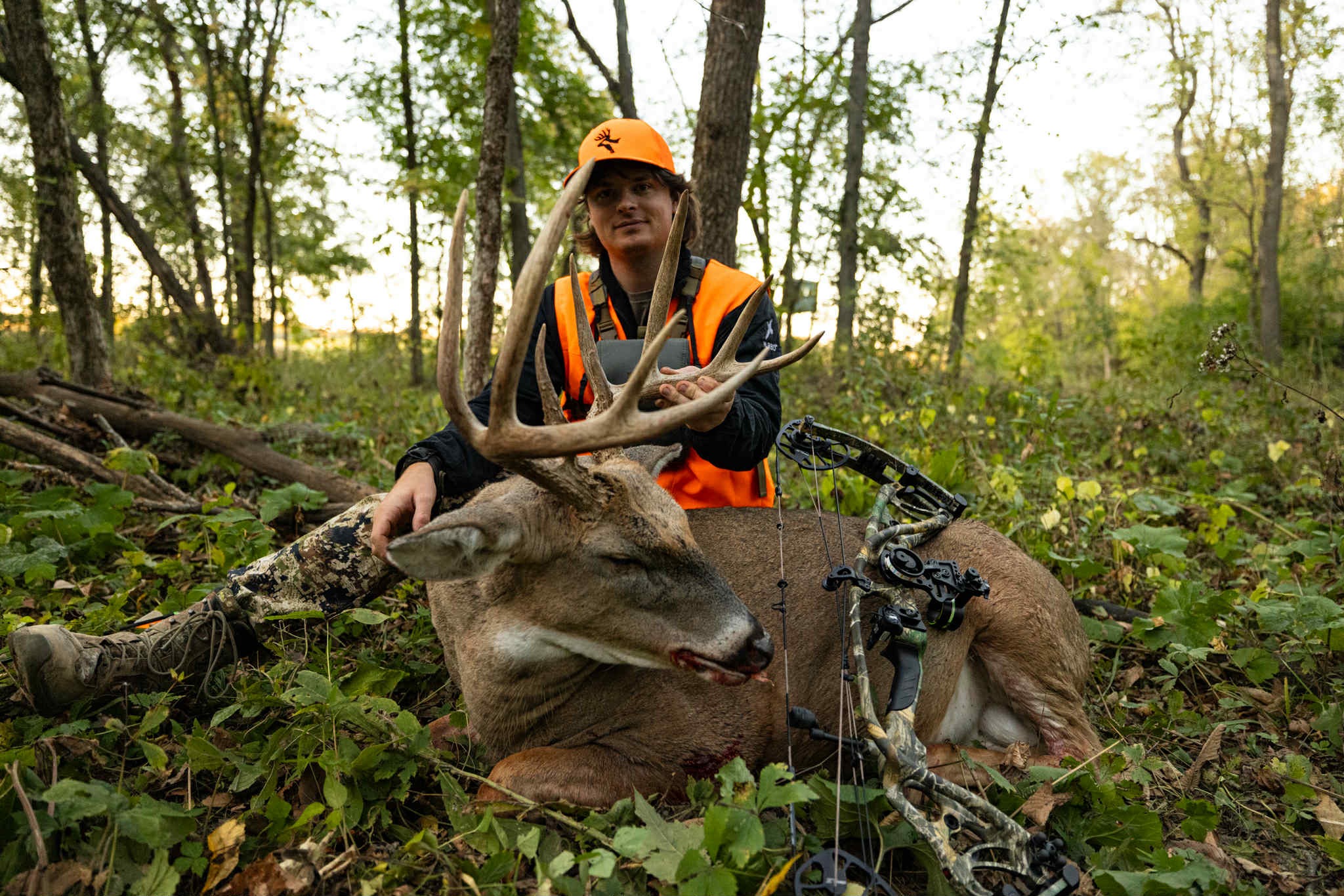
Once you find a productive public land area, return year after year. Rome wasn’t built in a day and neither will your success on public land. It takes time, and you must experience failure in order to get better. What works in Ohio might not be effective in Alabama. So you’ll need to adapt your hunting style for the conditions. Most of us can only invest a week of our season out of state, but if you make a few long weekend trips, you’ll learn a lot more about the area and the deer hunting, doubling your intel, knowledge, and experience.
Each hunt adds to your knowledge of:
-
Bedding locations
-
Food source shifts
-
Rut timing
-
Local hunting pressure patterns
Pro Tip:
By Year 2 or 3, you’ll spend less time scouting and more time hunting with confidence. This increases your odds exponentially. The more years you put into one piece of public ground, the better your success rate will be.
Final Thoughts
A public land bowhunting road trip will test your patience, endurance, and woodsmanship. But it’s worth it.
Breaking down the process into these 10 steps makes it manageable.
Choose the right state. Scout aggressively. Stay mobile. Manage your expectations. Keep going back.
Do this, and you just might find yourself dragging out a mature public land buck this fall.
Hunting Gear Deals is funded by affiliate commissions. We may receive a small commission when you buy from our partners using the links provided. There is no additional cost to you. Thanks for supporting us by using our links when making your purchases.