how to hunt urban whitetail deer

Urban Whitetail Hunting – Everything You Need to Know

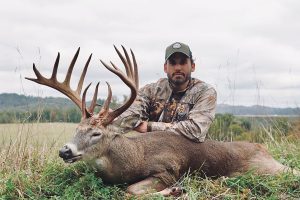
Have you seen some of the bucks being killed in urban areas in recent years?  If not, go check out the popular YouTube Channl Seek1.  You’d be amazed at some of the bucks that call the urban jungle home.  In 2023, Roy killed one of the gnarliest bucks I’ve ever seen near Columbus, Ohio, and he does it every year.

I recall a 200″ buck killed in an urban area in West Virginia a couple of years ago, and WV isn’t known as a big buck state.  One thing that helps many of these giant deer reach potential is birthday cake!  The older they get, the more likely they are to reach their genetic potential.  Also, it doesn’t hurt that there’s food in nearly every backyard and as long as they can avoid being hit by a car, they’re relatively safe.

Check your local game laws about urban hunting opportunities.  I’ve been able to capitalize on some urban hunting opportunities of my own and harvested a great buck for the area a couple of years ago at the start of the archery season.  Here’s an outline of how to be more successful in urban hunting areas.

can you hunt velvet bucks in West Virgina

Research the Rules and Regulations

The most important aspect of urban hunting is knowing the rules and regulations for the states and city that you’re hunting.  Do your research.  I can’t spell it out for your any simpler.  When in doubt, contact your local Natural Resource department and ask.  They’re there to help you and answer questions to ensure you’re not breaking the law.

There are often several hurdles that hunters must overcome before being allowed to hunt in urban areas.  Some might require specialized training, a proficiency test, and anything else the locals might throw at you.  The urban area that I hunt requires you to hunt at least 8 feet off the ground, pass a shooting test, apply for a lottery drawing, and if you’re lucky enough to get a tag, then you have to find a property large enough to meet the minimum standards.  It’s a lot of work, but having extra tags and a unique hunting opportunity is worth it!

west virginia urban buck

Gaining Permission

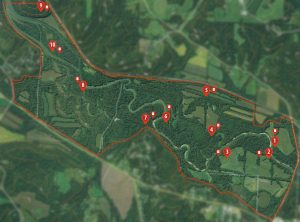
This is the hardest part, getting permission to hunt a property inside the city limits.  Digital scouting mobile apps like OnX Hunt are your best friend when it comes to identifying landowners.  Word of advice, in-person conversations yield better success than phone calls. Take the time to introduce yourself to the landowner.  Be kind and courteous. Dress nice, don’t show up in your hunting clothing.  Also, you want to have a game plan.  Tell them who you are and that you have permission from the city or whoever to hunt in the area and explain the benefits of population control when necessary.  Not all landowners are going to give you permission, so keep knocking on doors until you get a yes!

do big rubs mean big bucks

Walk the Entire Property, at the right time

Once I learn a property, I try to reduce the amount of human pressure on it as much as possible.  On my lease, I’ve got 50-acre sanctuary that I’ve stepped in only twice in five years or more.  It’s a huge, thick bedding area between me and one of my hunting buddies and we have agreed to stay out and allow the deer in the area to feel safe in the middle of our hunting property.

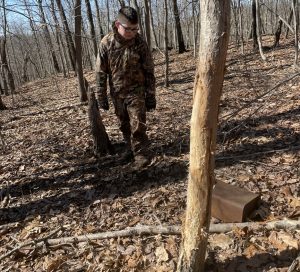
Now, that’s not possible for everyone, especially on newly acquired properties.  The first thing that I’m going to do if I acquire a new property is to walk it.  I’m covering as much ground to locate the best pinch points, bedding areas, and food sources in a timely manner.  Casting several trail cameras throughout the property is a great way to learn more about how deer move throughout it, but you should leave them alone all season long.

Small tracts, especially in urban areas don’t always have both food and cover.  If I have to choose one, I’d prefer cover any day.  Where legal, you can always add some bait to take inventory.   The best time to walk a new tract of ground is after hunting season, especially during hunting season as you can see the previous hunting season’s sign scattered throughout the property and make a plan for next year.

If you need to scout during the hunting season, time it just before a large rain or an inch or more.  It takes a lot of rain to wash away away your scent, so use caution and time your walk accordingly.

do big buck produce the best fawns

Scouting at Night

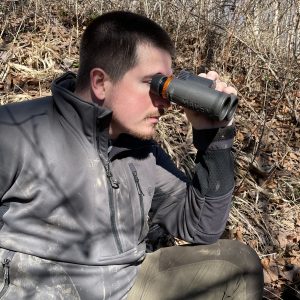
Some of the best intel you can get from small, urban properties comes at night.  Typically, there are plenty of street lights around to help you catch a glimpse of a big buck moving about after sunset.  I’ll start my drive an hour before sunset around the area and watch deer appear from some of the strangest locations.  You’d be surprised at how many backyard bucks are lurking in the concrete jungle!

best mid range bino for the money

Take Inventory During Your Scouting Trips

While you’re driving around, take notes on where you’re seeing the most deer and the biggest.  Once you’ve identified a potential target buck, keep an eye on the area but pay special attention to your digital scouting maps and form a hypothesis on where he might be heading to as the conditions change throughout the season.  The smallest row of timber or a drainage ditch could a potential travel corridor between backyard woodlots that are holding different doe groups.  This is key information for the rut!

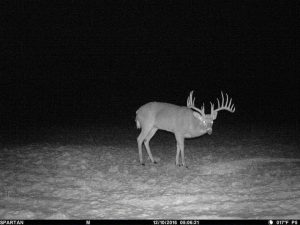
Once you have an area chosen, you’ll need to start running trail cameras.  Where legal, throw some corn out for the quickest results.  If it’s a property that you’ll be able to hunt for an extended period of time, try creating a mineral site for a year-long attraction.  One of my favorite ways to inventory bucks in an area is by running trail cameras around large scrapes, and if there’s isn’t one, I’ll make a mock scrape of my own.

Learn How to Create a Mock Scrape here.

tips for using a topo map

Don’t Trespass

You have to know where you’re standing and utilizing digital mapping mobile apps like OnX Hunt is ideal for learning property lines.  They might not be exact, but they’ll help you stay on track.  Many urban properties are small and trespassing on the neighbor’s property, even by mistake, could be very costly to you and other hunters in the area.

best time to make a mock scrape

Make Improvements

Not very many small acreage properties have everything that deer needs, so if it’s missing something, try using that to your advantage by creating small improvements.  If the property has a bedding cover, find a place to add food and mock scrapes.  If the property has food, create a cover for bedding areas.  Now, you can only make these changes if you have permission, so be cautious before hinge-cutting trees!  Keep in mind that cutting trees can be one of the fastest ways to lose permission if the landowner doesn’t know exactly why you are doing it. Get approval in advance of making any significant changes to the property.

Little things can make a big difference.  I hunted a property last year that was littered with down trees, but cleaning up a few trails in the area created natural funnels as deer will take the path of least resistance as long as they don’t feel threatened.  When adding food, food plots aren’t likely but where legal, bait can be very helpful in bringing in and holding deer.  The next best thing from baiting is the use of mock scrapes!

best price wicked north gear BIG GAME FIELD DRESSING KIT

During and After the Hunt

If you think that urban deer are easier to hunt and it’s going to be much easier than hunting high-pressure public ground, you’d be right,  Most urban deer have grown up around people and they’ve learned how to cope with people as long they stay in their place.  Once you start entering a deer’s safe zone or doing something that the people in the area wouldn’t typically do, like walking into the timber, these urban deer quickly rely on their natural instincts and will bust you in a heartbeat.

Be stealthy and take the hunt seriously and you’ll have much more success while urban hunting.

After the hunt, you have to be respectful, especially when blood trailing, field dressing, and dragging a deer out.  Even walking out of the woods under the darkness of night with a headlamp on can spook the neighbors, potentially damaging your chances of being able to return to the property and hunting again.

Frequently Asked Questions about Urban Hunting

  1. Is urban deer hunting legal?
    • In many areas, urban deer hunting is legal, but it varies depending on local regulations and ordinances. Hunters should always check with their state wildlife agency and local authorities to understand the specific rules and regulations governing urban deer hunting in their area.  Don’t wait until hunting season starts to try and get a permit or permission as these seasons often have a limited entry draw opportunity and the urban archery season often starts before the traditional start of archery season.
  2. What are the benefits of urban deer hunting?
    • Urban deer hunting can help manage deer populations in areas where overpopulation poses risks to both human safety and ecosystem health. By reducing deer numbers, hunters can mitigate issues such as vehicle collisions, damage to crops and landscaping, and the spread of diseases among deer populations.  Hunters can benefit from the additional hunting opportunities and put more venison in the freezer or you can utilize this opportunity to donate venison to your local food bank or programs like Hunters Helping the Hungry.
  3. What are the challenges of urban deer hunting?
    • Urban deer hunting presents unique challenges compared to hunting in more rural areas. Hunters may face restrictions on hunting methods and firearms, limited access to hunting areas, and concerns about safety due to the proximity of homes and businesses. Additionally, navigating local regulations and obtaining permission to hunt on private property can be challenging.  The public perception of hunting city deer can be very challenging when hunters are faced with people that do not want them hunting in the area.  Stay calm, be respectful, and be a responsible steward of the land because you represent all hunters in the view of the general public.
  4. How do you locate urban hunting spots?
    • Locating hunting spots in urban areas requires research and planning.   A quick Google Search should help you point you on the right track for your area.  Most large cities have some type of hunting opportunities but you have to play by the rules to get permission.  However, there are areas of the country that don’t allow hunting of any kind.
  5. What hunting methods are allowed in urban areas?
    • Hunting methods allowed in urban areas vary depending on local regulations. In some areas, bowhunting or crossbow hunting may be permitted, while firearms hunting may be restricted or prohibited. Hunters should familiarize themselves with local laws and regulations governing hunting methods and equipment.  I don’t know of any urban areas that allow hunting with guns but there’s probably a few out there.  Heck, my local urban hunting area doesn’t allow you to hunt from the ground.
  6. How can hunters ensure safety during urban deer hunts?
    • Safety is paramount during urban deer hunts, given the proximity of homes, businesses, and other people. Hunters should adhere to the rules and regulations for the area, as well as traditional hunting safety practices, such as wearing fall protection. Additionally, hunters should communicate with landowners and other stakeholders to ensure everyone’s safety during the hunt.
  7. What are the best times to hunt urban deer?
    • The best times to hunt urban deer may vary depending on factors such as deer activity patterns, local hunting regulations, and weather conditions. Generally, deer are most active during the early morning and late evening hours, making these times ideal for hunting. Additionally, hunters should consider factors such as wind direction and temperature when planning their hunts.  For me, the biggest draw of an urban archery season is the earlier starting date, allowing me to scratch my hunting itch much earlier than I would if I had to wait for the state-wide archery season.
  8. How do you handle harvested deer in urban areas?
    • Handling harvested deer in urban areas requires careful consideration of local regulations and community guidelines. Hunters should be prepared to field dress and transport harvested deer discreetly and responsibly, following all applicable laws and regulations. Additionally, hunters should have a plan in place for processing and storing deer meat to ensure food safety and quality.  You may have to remove the deer from the area before you field dress it and don’t be dragging a bloody deer through the people’s backyards.  Be discreet and respectful.
  9. What are the ethical considerations of urban deer hunting?
    • Urban deer hunting raises ethical considerations related to wildlife management, public safety, and respect for the animals being hunted. Hunters should prioritize humane harvesting methods, respect local regulations and landowner rights, and engage in responsible stewardship of natural resources. Additionally, hunters should consider the potential impact of their actions on the broader community and ecosystem.
  10. How can hunters contribute to urban deer management efforts?
    • Hunters can contribute to urban deer management efforts by participating in organized hunts, volunteering for deer culls or population surveys, and educating the public about the importance of deer management in urban areas. Additionally, hunters can collaborate with local wildlife agencies, landowners, and community organizations to develop effective management strategies tailored to the specific needs of urban environments.  Donating venison to local food banks is a great way to educate the public about the benefits of urban deer hunting.
  11. How do you attract urban deer?
    • Urban deer are no different than wild deer.  They’ll all eat corn and hit a mineral site from time to time.  Also, don’t forget about mock scrapes.  There are food plots and clover fields, but it’s hard to find an area that will allow you to do that.
  12. What do urban deer eat?
    • Urban deer are no different than wild deer, preferring too much on acorns on general browse found throughout the landscape.  The biggest difference is where they’re finding it.  Many people complain of deer slipping through the yard, chomping on their flowers and decorative plants.
  13. Why are deer in urban areas?
    • Deer are found throughout the majority of the United States and as the human race continues to grow, we covert wild places into concrete jungles.  Whitetails have learned to adapt to living around humans very well, so it;s not uncommon to see deer walking down the sidewalk in most cities across the count as long as there is enough cover to bed down and call home.

Hunting Gear Deals is funded by affiliate commissions. We may receive a small commission when you buy from our partners using the links provided. There is no additional cost to you. Thanks for supporting us by using our links when making your purchases.

Most Popular

Menu