You have never been hunting before and you are looking forward to getting started, or it’s something you simply have always been interested in but never had anyone to teach you, well this list of Deer Hunting Tips is geared towards beginners, just you like you.
First off, congratulations! Deer hunting is among the most rewarding tasks for any person who desires to spend time outdoors with friends and loved ones, and in the end, offers free-range organic meat to fill the freezer as the icing on the cake. Whether your goal is to bag a trophy buck or get in touch with nature and knowing exactly where your food comes from. Eitehr way, learning how to become a deer hunter can be tough.
Follow these top tips for getting started this fall— without making common beginner mistakes that all of us have already made. As my father always said, “Do as I say, Not as I do.
1. Hunt with a with a Friend
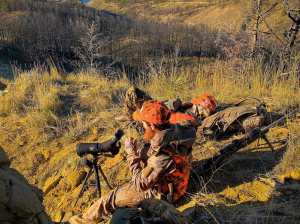
If you know a deer hunter start asking them questions, especially if they’re local. Most hunters have an internal instinct to share advice with new hunters and some might even leg you tag along on a few hunts. Inquiring about tips and tricks from a wide variety of hunters will help lay a good foundation for your hunting career. Just don’t ask them where they hunt because we tend to keep that part a secret and they may get defensive. As much as you can learn about deer hunting through discussions with friends, the most beneficial learning tool to supercharge your hunting skills is to hunt with an experienced hunter.
Finding a hunting buddy that has more experience in the whitetail woods will decrease your learning curve and help you get started on the right track. You might get lucky and find a friend that’s willing to share hunting gear, and hunting tips, and even let you tag along and learn during their next hunting adventure.
2. Enroll in a Hunting Mentorship Program
Maybe you don’t know anyone who hunts. That’s common. Many new hunters are the first in their family to pick up a gun or bow and hunt for their own food. So, if you don’t know anyone who hunts, the next best option is to look online for local hunting mentorship programs. There are many hunting groups out their that make it their mission and goal to recruit new hunters just like you!
To get started, try contacting your state’s game and fish department. Another good option is the National Deer Association, as they’ve got mentors and conservationists throughout the country who specialize in educating new hunters in their Field to Fork program. There are local conservation groups that will do this as well and a little bit research will help you get started.
Side note – if you attempted to research this subject and didn’t get anywhere, then contact me and I’ll help you find someone to talk to in your area!
Learn Everything You Can!
We live in a time when you have the answers that you seek in the palm of your hand, so utilize your smartphone to its fullest advantage and start researching everything you need to know about deer hunting. Outdoor writers like myself have curated years of high-quality content online and it’s at your fingertips. Besides writing blogs and articles about deer hunting, I also enjoy listening to podcasts about deer hunting. Everything you need to know about deer hunting is out there, you just have to start learning and researching.
The learning, reading, and researching should never stop, no matter how experienced you become as a hunter.

Hunter Safety is the Highest Priority
Most states require the completion of a hunter safety course before you become eligible to purchase a hunting license. This information should be obtained in Step 2 when you contact your local Division of Natural Resources. Always treat your firearm as if it is loaded; before pointing your gun at a target, ensure you’ve properly identified your target. If you’re deer hunting, make sure it’s a deer before shouldering your weapon. If you’re turkey hunting, don’t take your safety off until you’re ready to take the shot. Also, it should go without saying but never point it at someone, whether it be walking to and from the field or when you’re unloading it back at the truck.
Practice Makes Perfect
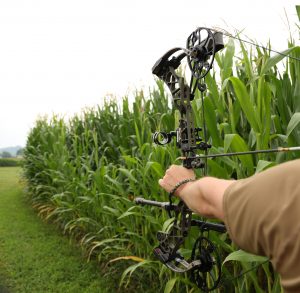
Get familiar with your hunting equipment, especially your weapon of choice. A firearms safety course is recommended for people new to shooting firearms. Those who are bowhunting will need to spend more time learning proper form and shooting techniques. However, many of those same principles are needed for shooting a rifle or muzzleloader.
Practice is paramount, but it’s also important to practice as you will hunt. If you’re bow hunting, practice shooting from a tree stand or while seated in a ground blind. For rifle hunters, try to replicate some hunting conditions. For example, at the shooting range try shooting free-handed, from a standing position, and with your adrenaline pumping and heart racing. This is best replicated by performing some cardio work between shots. This helps you learn to shoot accurately under pressure, which is priceless when a deer walks into range.
Understanding Deer Behavior: Feeding and Bedding Locations
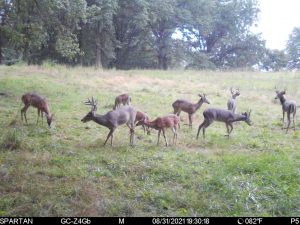
If you’ve done some research, whether it be reading hunting blogs or listening to hunting podcasts, chances are you’re itching to start scouting. The first lesson is scouting is you can only kill a deer where deer live. So, take a drive in the evening hours and pay attention to where the deer are in your area. Maybe it’s soybean fields, CRP or other food sources. Either way, deer are most visible just before dark. One of my favorite things to do the month before hunting season begins is to drive around with my family and look for big bucks in soybean fields.
Now, once you get an understanding of where deer like to eat, you must then determine where deer spend the majority of their time, in a bedding area. Bedding areas are made up of thick cover, sometimes it’s brushy areas in the timber or near a fallen tree, in open areas in might be tall grass or CRP. Bedding areas are often the hardest thing to figure out but it’s most important. The reason that finding a bedding area is difficult is because deer change their beds frequently. As food choices change and the season progresses, so does the foliage, so they’re constantly looking for the safest place to lay down.
Now, hunting a bedding area isn’t your best choice as your presence will likely bump them from the area. Instead, try positioning your treestand or ground blind on trails that connect feeding areas and bedding areas. Pay attention to the direction of travel in each trail as deer often take one path to the area and one path out. In the early archery season or late-season, you might find success on the field edge, but it’s more likely that you’ll fill your tag and learn more about deer hunting by scouting more and finding staging areas or transition zones between bedding and feeding.
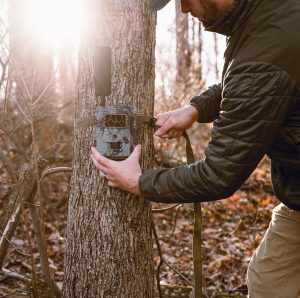
Use Trail Cameras to Help You Find Deer
Trail cameras are a deer hunter’s best friend. They capture deer activity in the form of photos and videos and some even have the ability to transmit that information to your phone via a mobile application. There are two different types of trail cameras, cellular trail cameras and standard SD card cameras, now referred to as non-cellular trail cameras. Most deer hunters have a mix of both cellular trail cameras and non-cellular trail cameras, so check out HuntingGearDeals.com to help you save money when buying hunting gear such as trail cameras.
Utilizing trail cameras can be just as fun as actually hunting. However, if you check your trail cameras too often, meaning you go to the area where the trail camera is placed and you pull the SD card out to check the camera, you’re going to mess up your hunting spot and reduce the deer activity in the area as deer will relocate simply due to human pressure (YOU).
Try place trail cameras on scrapes, field edges, trails connecting feeding and bedding areas, as well as pinch points that concentrate deer movement. All of these areas will help you gather information about deer movement in the area and form a plan to help you kill your first deer and your next deer!
but they’re esevery essential goodies to scouting—your eyes in the woods, 24/7. Place cameras 2–3 feet off of trees to the ground on trees along deer trails or near feeders or food plots. This will yield pictures of deer, telling you which deer to expect and at what time they become most active. With that in mind, you can imagine the excitement of first looking through your trail camera photos—not only from the potential big buck waiting there for your viewing pleasure but also because it might just hold some critical information when you’re getting ready for that hunt.
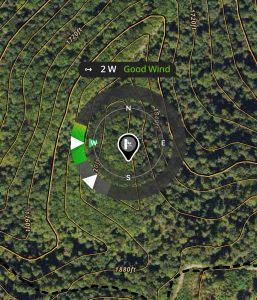
Planning for the Hunt
There are severeal different factors that can negatively impact the quality of your hunt but the first thing you should master is understanding wind directions. Of all the elements involved with deer hunting, wind direction stands as the most critical. The best guess is that a deer’s nose is capable of picking up the scent of humans from several hundred yards, completely ruining your hunt if you’re not set-up correctly.
To fully understand wind direction, try downloading a mobile hunting application such as OnX Hunt to help you accurately predict the wind direction and it’ll even show you exactly where your downwind side would be for your treestand or ground blind. Scent control plays a key factor in success as well, but mastering how to plan your deer hunt based on the wind direction is essential to your success and OnX Hunt makes it really easy.
Basically, you don’t want a deer downwind of you. If a deer is downwind of your position, they can smell you and they’re not going to come close enough to give you a shot opportunity. Positioning your treestand or blind based upon specific wind directions comes by experience through trial and error. However, using OnX Hunt will help you master this skill quicker and easily!
Always know which way the wind is blowing and position yourself so that your scent blows away from where you expect deer to be. Visualize your scent as a cone expanding from your position; this will help you choose stand or blind locations where you won’t be detected.
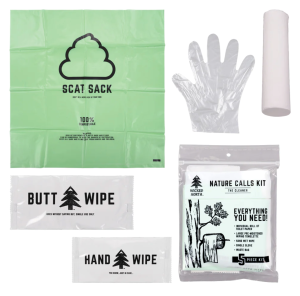
Learn How to Field Dress and Care for the Animal After Harvest
Once you’ve been successful in harvesting a deer, you will want a plan in place for processing it quickly to preserve the meat. Field-dress the deer by removing its entrails, cool the meat as soon as possible. In warmer weather, get the meat to a processor or on ice right away. If the temperature is below 45 degrees, you can let the deer hang overnight or longer before butchering. Proper handling means you’ll get the best-tasting venison.
Storytime – years ago, a mother took her 14-year-old son deer hunting on Thanksgiving morning. Neither of them had ever killed a deer before but the little boy loved to hunt and was trying to harvest his first deer. That morning, an eight-point buck steps into the field and the little boy fires a shot, tumbling the deer to the ground. A celebration ensued between the mother and son, only to realize neither of them knew what to do next. Both staring at a 200-pound buck with no idea on how to field dress it and neither of them was capable to lifting the buck into the bed of the truck.
Thankfully for me (the little boy) a gentleman drove down the hill on an ATV and he was kind enough to field-dress the deer and help us load it into the truck. Had he not been there, I’m not sure what we would’ve done because we were unprepared.
These tips will get you started in deer hunting. Deer hunting’s essential work of population control provides enormous fun with healthy meat for the family table. Good luck this fall, and be safe!
Hunting Gear Deals is funded by affiliate commissions. We may receive a small commission when you buy from our partners using the links provided. There is no additional cost to you. Thanks for supporting us by using our links when making your purchases.