If you’ve ever wondered why that mature buck disappeared the day you finally hunted a stand—or why your best rut days fell flat—Mark Drury has answers. In this masterclass episode of the Wired To Hunt Podcast (#229), Drury breaks down the science and strategy behind predicting deer movement, and he doesn’t hold anything back.
Drawing from decades of data, wind charts, moon phases, and boots-on-the-ground experience, Drury gives listeners a blueprint for making informed hunting decisions, not gut-based guesses. If you’re serious about whitetail hunting, this episode (and this blog recap) is for you.
Who Is Mark Drury and Why Should You Listen?
Mark Drury isn’t just another hunting personality. He’s a whitetail behavior expert who’s turned hunting into a science. Through Drury Outdoors, he’s spent years tracking mature bucks across the Midwest using trail cameras, weather data, and proprietary movement prediction algorithms. His insights blend experience and tech in a way few others can replicate.
In this episode, he teaches you how to think like a deer and hunt with purpose—not hope.
1. Pressure Is Your Best Predictor
The foundational principle Drury teaches? Barometric pressure controls deer movement.
He tracks pressure daily—measuring not just the absolute value, but how it compares to seasonal norms. High pressure signals peak movement days, especially when it’s rising. On those infamous bluebird November mornings with pressure above 30.6 inHg, deer often go ballistic.
But be warned: clouds, low wind, or dropping pressure can neutralize the effect.
2. Wind: Fine-Tune Your Strategy
Wind affects both scent control and deer movement patterns. Drury targets stands during steady 10–15 mph winds, while avoiding calm days (< 5 mph), which can make deer skittish.
He also hunts low spots on windy days—knowing deer hate being exposed on ridges in harsh airflow.
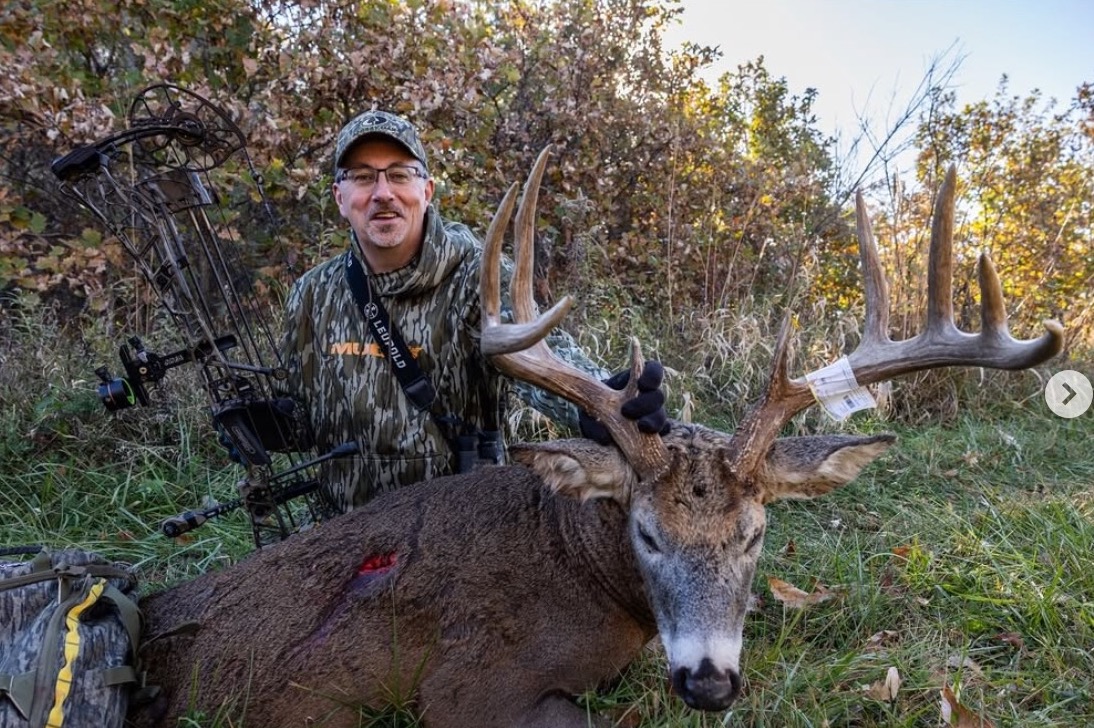
3. Moon Phases and Timing
Mark applies a lunar edge by watching afternoon movement tied to the moon’s rising and setting. His favorite window? Moonrise around December 6–10, which often triggers afternoon deer shift—perfect for stand success.
4. Seasonal Habitat Shifts
Matching your strategy to deer behavior across seasons is critical:
-
Early season: Bucks gravitate to green browse
-
Mid-season: Shift toward acorns, food plots, bedding areas
-
November rut: Deer follow scrapes and daylight scrapes
-
Late season: Deer tighten movement corridors, favoring funnels

5. Trail Cameras: Records, Not Just Photos
Drury uses trail cams to log daylight movement and ties each snapshot to weather data (pressure, wind, moon phase).
“I don’t look at cards unless picture by picture.”
He captures the why behind each sighting. Want to do the same? Tools like HuntForce or Deer Lab do the job—and we even break down the best setups in our Ultimate Trail Camera Strategy Guide.
6. Building a Predictive Hunting System
Drury outlines a tactical formula combining:
-
Rising high pressure
-
10–15 mph winds
-
Clear skies
-
Favorable moon phase
-
Proven stand location from trail camera history
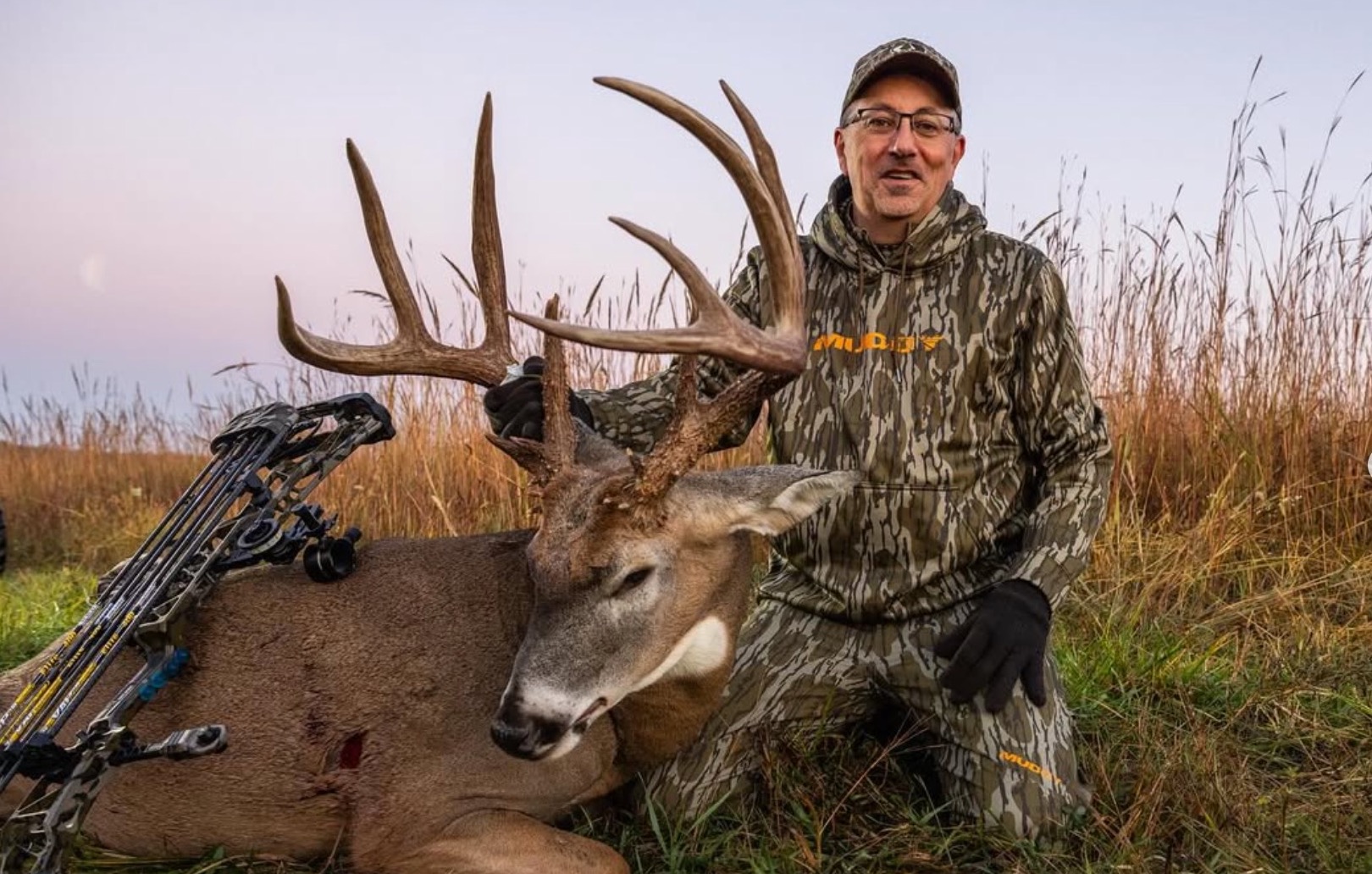
“High pressure + strong wind + clear skies + trail‑cam intel = mature buck.”
That first day a front breaks? Go hunt. But be ready—movement wanes each day afterward, so timing is everything.
Key Takeaways
-
Barometric pressure drives most deer movement—track daily changes.
-
Wind speed and direction fine-tune movement patterns and scent control.
-
Moonrise timing in early December amplifies afternoon activity.
-
Seasonal shifts demand habitat-specific strategies.
-
Trail cameras help you build a data-led blueprint, not guesswork.
Gear & Resources to Support Your System
-
Base Layers & Apparel Deals: Stay comfortable during cold November sits with gear from our daily deals selection.
-
Hunting GPS & Mapping Apps: Track weather fronts and wind direction that align with your strategy.
-
Best Trail Cameras: Check out our top picks, including the CuddeLink L-Series, for remote intel gathering.
Listen to the Full Episode
Wired To Hunt Podcast #63: How To Predict Deer Movement w/ Mark Drury
Hunting Gear Deals is funded by affiliate commissions. We may receive a small commission when you buy from our partners using the links provided. There is no additional cost to you. Thanks for supporting us by using our links when making your purchases.