The whitetail rut is the Super Bowl of deer hunting. Typically, from the final days of October through the third week of November, mature whitetail bucks make more daylight appearances than at any other time of the season. Hunters across the country take time away from work in search of the magical moments that we desire. The clash of antlers in the distance, deep grunts echoing across the hollow, and the sudden rustle of leaves on the forest floor all are tell-tale signs of the whitetail rut. To capitalize, hunters must adapt their strategy week by week as buck behavior shifts.
Understanding that there are different phases of the whitetail rut is key to success. Here’s how to maximize your odds during each phase of the rut.
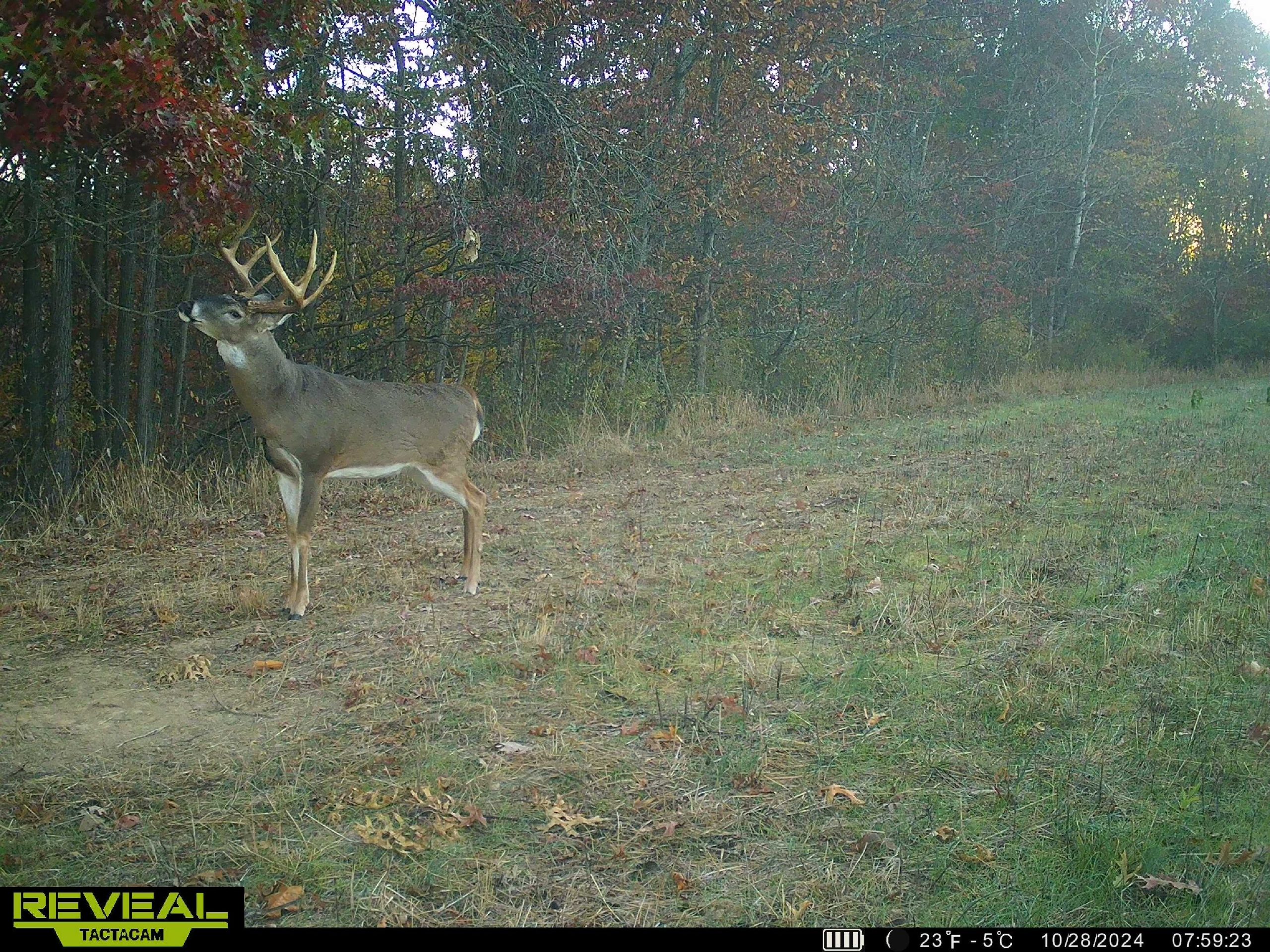
Late October (October 25–31): Scrapes, Rubs, and Aggressive Calling
The last week of October often feels like flipping a switch after the “October lull”. Daylight buck movement begins ticking upward, and signposting activity (rubs and scrapes) reaches its seasonal peak. By now, your trail cameras should already be placed on scrapes near pinch points and doe bedding areas. Well-placed trail cameras can get you excited to be in the tree, but if you’re stuck at work, chances are you’ll miss it. This phase of the rut is short but can yield some excellent results if you can respond in a timely manner. This phase ends once a buck finds a receptive doe, which may only take a day or two.
Focus Areas:
-
Fresh rub lines and scrape clusters
-
Downwind edges of doe bedding areas
-
Funnels leading to primary scrapes
- The start of all-day sits.
Tactics:
-
Hunt Scrapes Aggressively:
Scientific studies (see Kienzler et al., 2015, Deer Ecology and Management) show that most scrape visits happen after dark. However, this week is the exception. Bucks often freshen scrapes during the last 30 minutes of daylight. If you get a photo of a buck hitting a scrape this evening, you’d better be in a nearby tree tomorrow. -
Enhance with Scents:
Products like Raw Frozen Scents 30+ Peak Estrous, paired with a scrape dripper, can boost activity. Mock scrapes or nearby active scrapes are ideal places to freshen up with just the right estrous scent. Just don’t put it on your boots and walk to your treestand. It’s a good way to get busted. -
Camera Intel:
Place a cellular trail camera, like the Spartan GoLive, over scrapes to monitor daylight visits remotely. You can’t wait though, if a buck shows up, you need to be in the treestand ASAP! -
Calling Works:
Grunt tubes shine this week. Use social grunts or short tending grunts when you see a buck cruising or on the edge of range. Get aggressive, now is the time.
Learn more about scrape hunting tactics in our recent post: How to Create the Ultimate Buck Magnet with Mock Scrapes
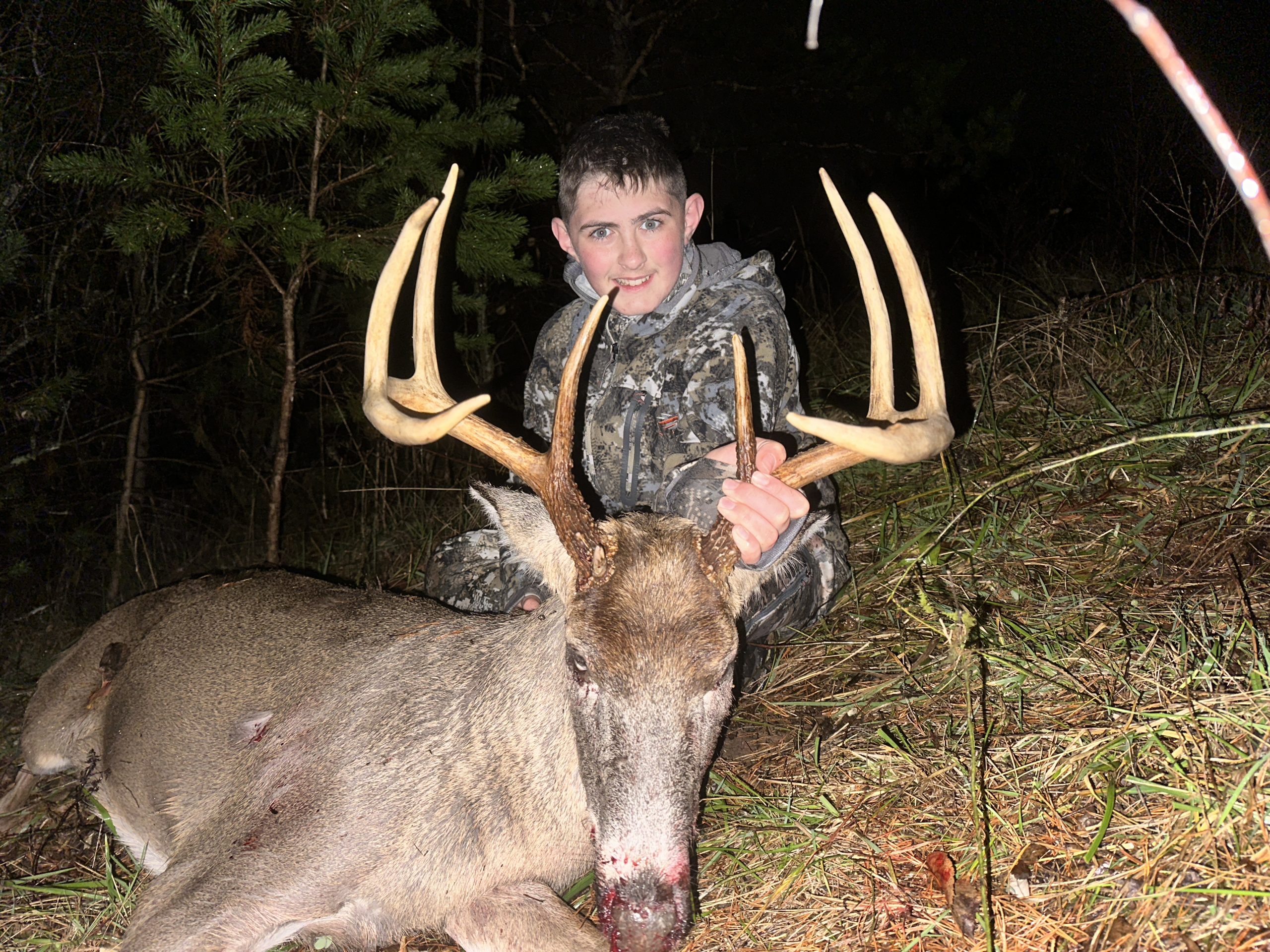
First Week of November (November 1–7): Chasing Phase & Observation Stands
This is the classic “Chasing Phase”. Bucks are searching hard for does, covering lots of ground, and responding well to both calling and rattling. Sitting from daylight to dark can be boring during this time, until it’s not! It’s a magical time in the whitetail woods. If you don’t have your bow in your hand, you might miss your chance. It’s not uncommon to see young bucks bumping does; therefore, killing a doe during this time will prove to be very difficult. They’re on edge, as they’re being tormented by everything with an antler.
Focus Areas:
-
Feeding areas at first and last light
-
Field edges for evening observation
-
Funnel pinch points for all-day sits
- Near doe bedding areas
Tactics:
-
Rattling Can Be Deadly:
According to a Texas A&M study (Barrett et al., 2010), rattling sequences between November 1–7 elicited the highest buck response rates. -
Add Visual Lures:
A buck decoy (one side antler removed for a submissive look) combined with rattling creates a powerful 1-2 punch. Reminds me of watching PrimeTime Bucks videos as a kid. Entertaining and effective! -
Use Observation Stands:
Morning hunts should focus on observation points overlooking large fields or open timber to locate daytime movement. Adjust stand sites based on where you see bucks pushing does. Trail cameras are going to miss key deer activity due to the frantic movements and speed of the chase. I watched 8 bucks walk by my stand one November morning and only got pics of 2 or 3 of them. -
Midday Hunts Pay Off:
Deer are on their feet at odd hours. Pack a lunch, stay in the stand. I’ve got a buddy who will often sleep in and jump in a tree around 10 am, skipping the early morning hunt. He’s found success with this strategy and finds it much easier to sit “all day” with a good night’s rest.
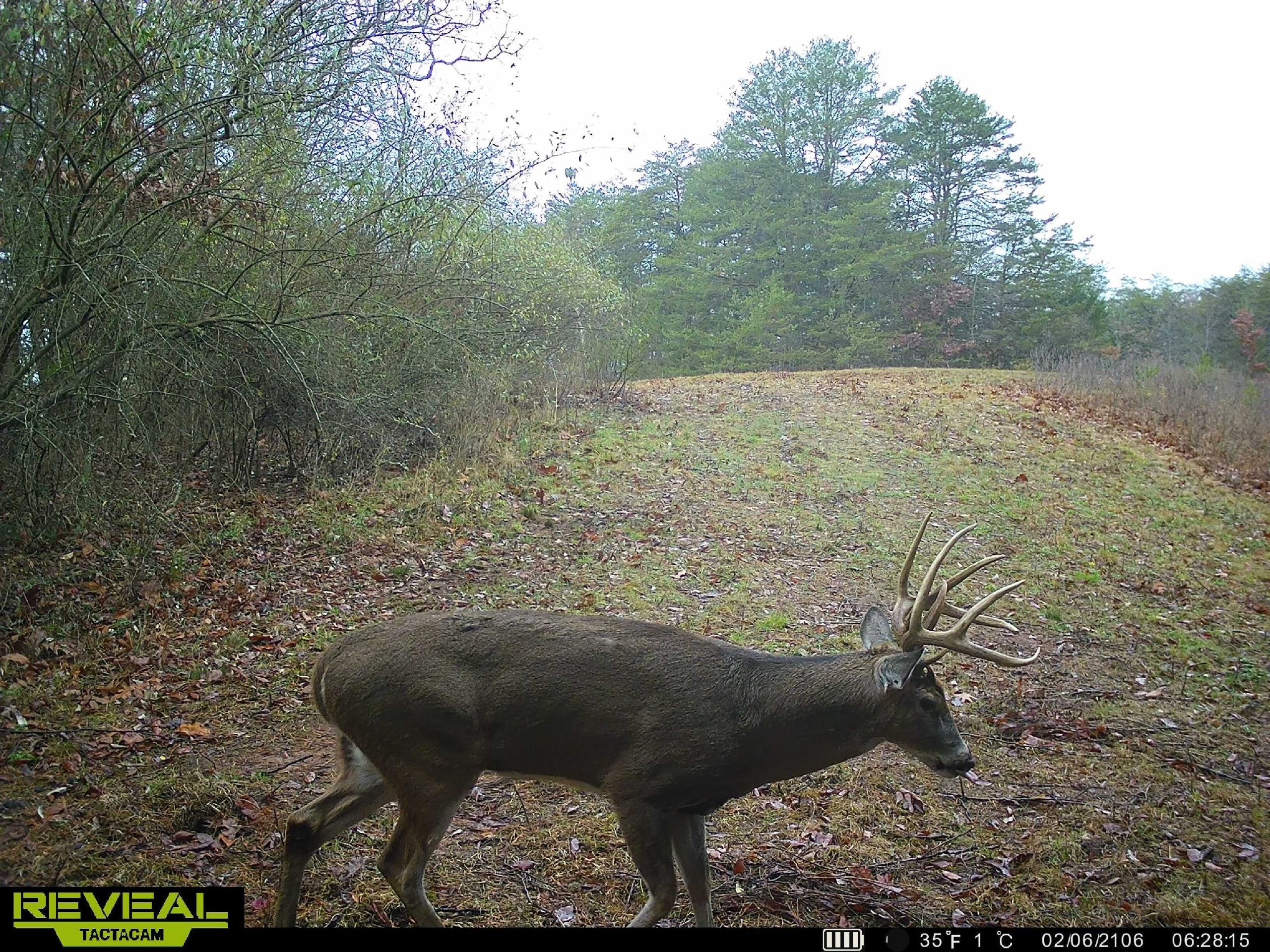
Third Week of November (November 15–22): Late Rut & Last-Chance Bucks
By now, most does have been bred, but the older bucks know a few late-cycling does remain. This “Late Rut” window can surprise you with mature buck movement. Savvy hunters understand that this week can produce some major rutting action, putting the big bucks on their feet as they frantically search for the last remaining does. Unfortunately, most hunters have given up by now, returning to work after burning their vacation days. Young bucks will start to drop out of the race soon and return to food sources heavily around Thanksgiving.
Focus Areas:
-
Doe bedding areas
-
Trails connecting multiple bedding thickets
-
Food sources (cut corn, remaining green plots, oak flats)
Tactics:
-
Hunt Doe Bedding Cover:
Position downwind of thick bedding cover. Bucks will scent-check from downwind, hoping to catch that final receptive doe. This tactic will work during the entire whitetail rut any many areas. -
Drag Rag Trick:
A scent-drag with fresh doe estrus lure can pull a lonely buck right to your stand. This is a proven tactic, but you must make sure that using scents and lures is legal. In some areas of the country, especially CWD zones, it’s illegal to use real deer urine. -
Scrapes See a Rebirth:
Place a trail camera on community scrapes again. Bucks often revisit them late, hoping to find a hot doe. One of my missing bucks magically reappeared after months during this time of the season on a large community scrape. -
Rattle Cautiously:
By late November, rattling success drops, but if you see a buck, a soft, brief sequence can still turn him. Bucks have survived predators, hunters, and other deer, wearing themselves down after a month of fighting. Many deer will avoid confrontation during this time of the season as the pecking order has been established.

Bonus Tip: Adapt and Educate Year-Round
One key trait separates consistent rut hunters from the rest: a mindset of continuous learning and adaptation. We live in a day and time where you can learn year-round about virtually any subject, including deer hunting. If you’re only form of hunting content is YouTube deer hunting videos, you really need to broaden your horizons. Podcasts and blogs are a great way to learn more about deer behavior and deer hunting.
-
Follow real-time rut reports:
Websites like DeerCast by Drury Outdoors, Midwest Whitetail, and even state DNR rut updates help track rut progression by region. Although the whitetail rut happens at the same time every year. -
Use rut prediction tools:
Check out lunar-based rut predictors like HuntStand’s Rut Map or Jeff Sturgis’ Whitetail Habitat Solutions YouTube channel for timing advice. Deer & Deer Hunting used to be the best resource for whitetail rut predictions, but you can find that information virtually anywhere nowadays. -
Keep a Hunting Journal:
Log each sit—weather, deer sightings, rut phase observations—for long-term learning. This is something that the average deer hunt doesn’t do, including myself. I need to do better at keeping notes, but I do try to keep trail camera data from year to year, so that helps. -
Review Trail Cam Data from Previous Seasons:
Annual patterns emerge. Bucks tend to revisit the same areas year after year during the same rut phase. I keep folders of buck photos from year, labeled by property and trail camera locations.
Final Thoughts
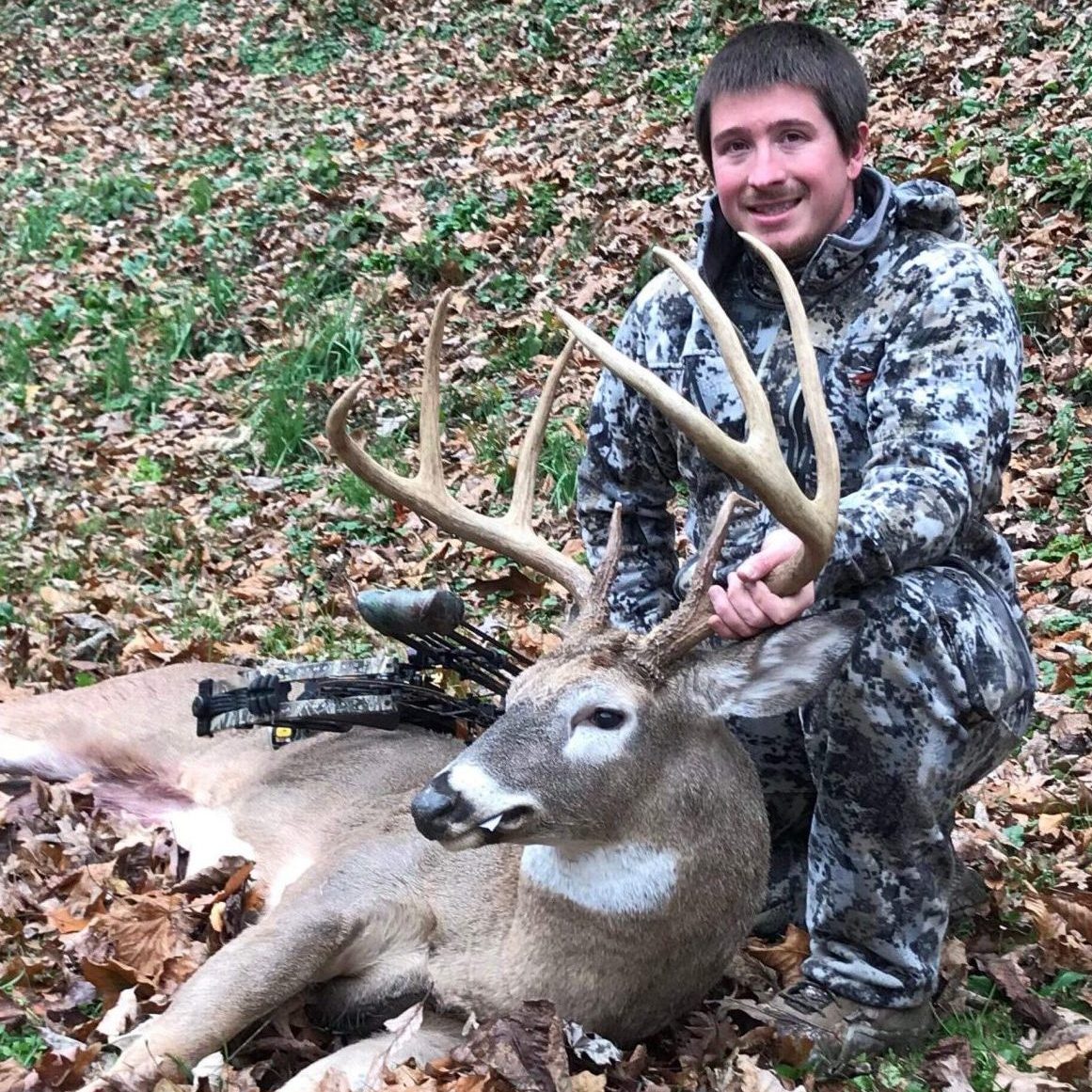
The whitetail rut rewards hunters who hunt smart and adapt throughout the various stages of the rut. From the last week of October through Thanksgiving week, each rut phase requires a slightly different tactic to be effective. Understanding how bucks and does respond during each phase is crucial to your success. The rut also provides hunters with the opportunity to be aggressive, especially mobile hunters. This is the one time of the season that you can make mistakes and still find success.
Hunting Gear Deals is funded by affiliate commissions. We may receive a small commission when you buy from our partners using the links provided. There is no additional cost to you. Thanks for supporting us by using our links when making your purchases.