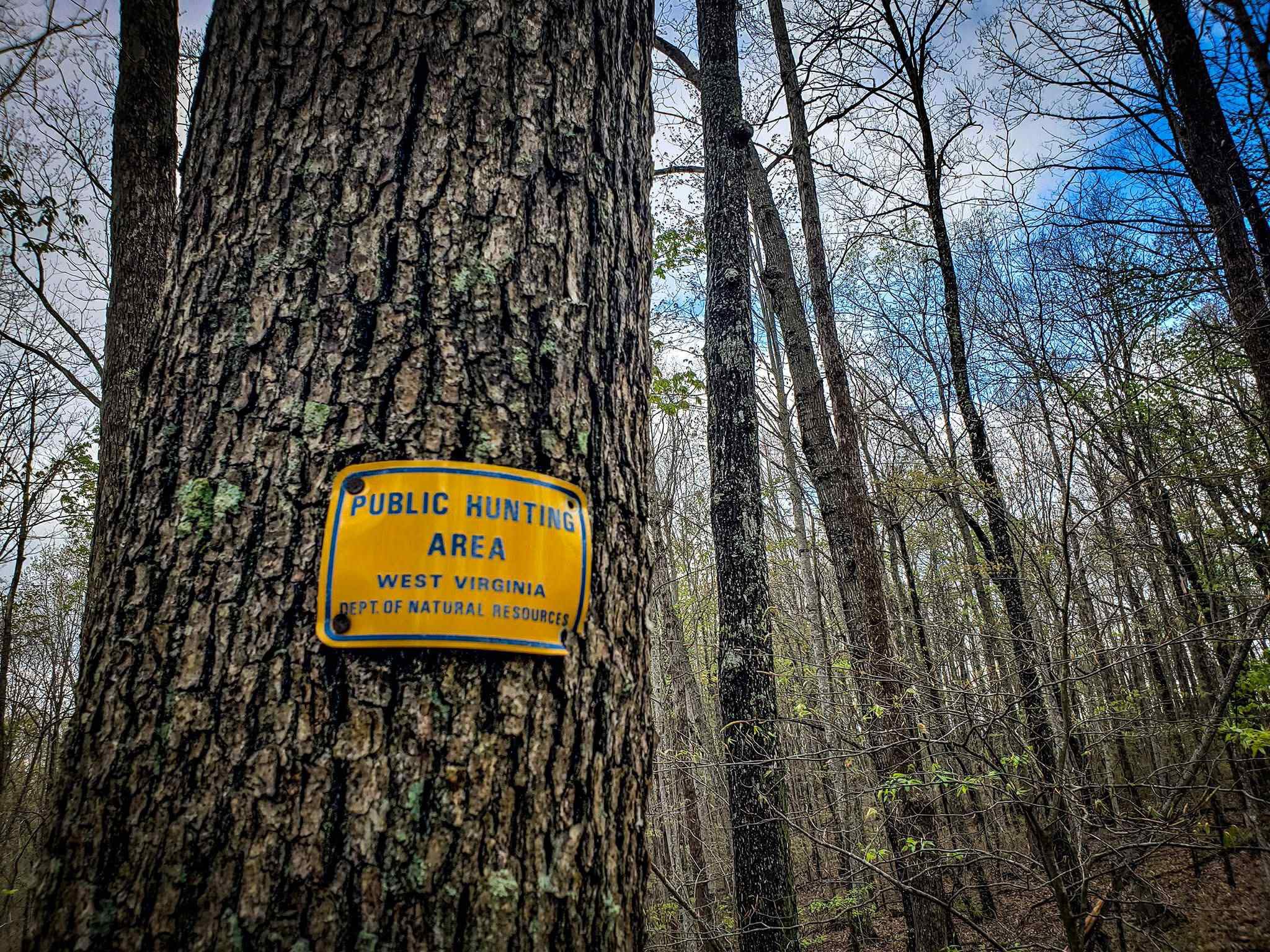
Hunting public land away from home brings unique challenges. Unlike hunting local, familiar ground, where you have months to fill your tag, a DIY whitetail road trip compresses your hunt into just a few days. Time constraints, unfamiliar terrain, and unpredictable competition force you to think and act differently from other hunters. Success depends on more than just woodsmanship—it’s about adopting a mindset built for the DIY grind.
Here are eight essential mental pillars that increase your odds of punching a tag on your next public land adventure.
1. Scout Thoroughly and Aggressively
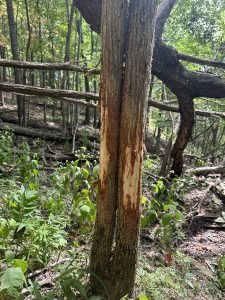
When you arrive at your hunting destination, your first job isn’t hunting—it’s learning. The most common mistake most DIY hunters make is that they climb into a tree too soon, hunting a waypoint on a map instead of fresh deer sign. It’s important to learn and interpret the deer sign in the area so you can adapt your strategy. The best-looking property on the map might be full of other hunters or void of deer sign. You’ll need a plan A, B, and C, with the ability to shift gears if those plans fizzle out.
One year, I ventured into an area that I had digitally scouted and had the utmost confidence in. I spent a lot of time digitally scouting a new state and multiple properties beforehand. I drove up to the first tract, and it was vacant of fresh deer sign. The next property was much larger, with easier access, and it was full of hunters. After a couple of uneventful hunts, I found a new tract of public land and was on deer the first morning. I ended up arrowing a big buck on the second day of hunting this newly discovered tract.
Actionable Tips:
-
Scout aggressively to locate bedding, feeding areas, and rut funnels.
-
Drive around the public, paying attention to other vehicles.
-
Drop trail cameras on scrapes, funnels, and pinch points (where legal, of course!)
As Dan Infalt from The Hunting Beast says:
“Scout more than you hunt. If you aren’t bumping deer during your scouting on a short trip, you probably aren’t scouting aggressively enough.”
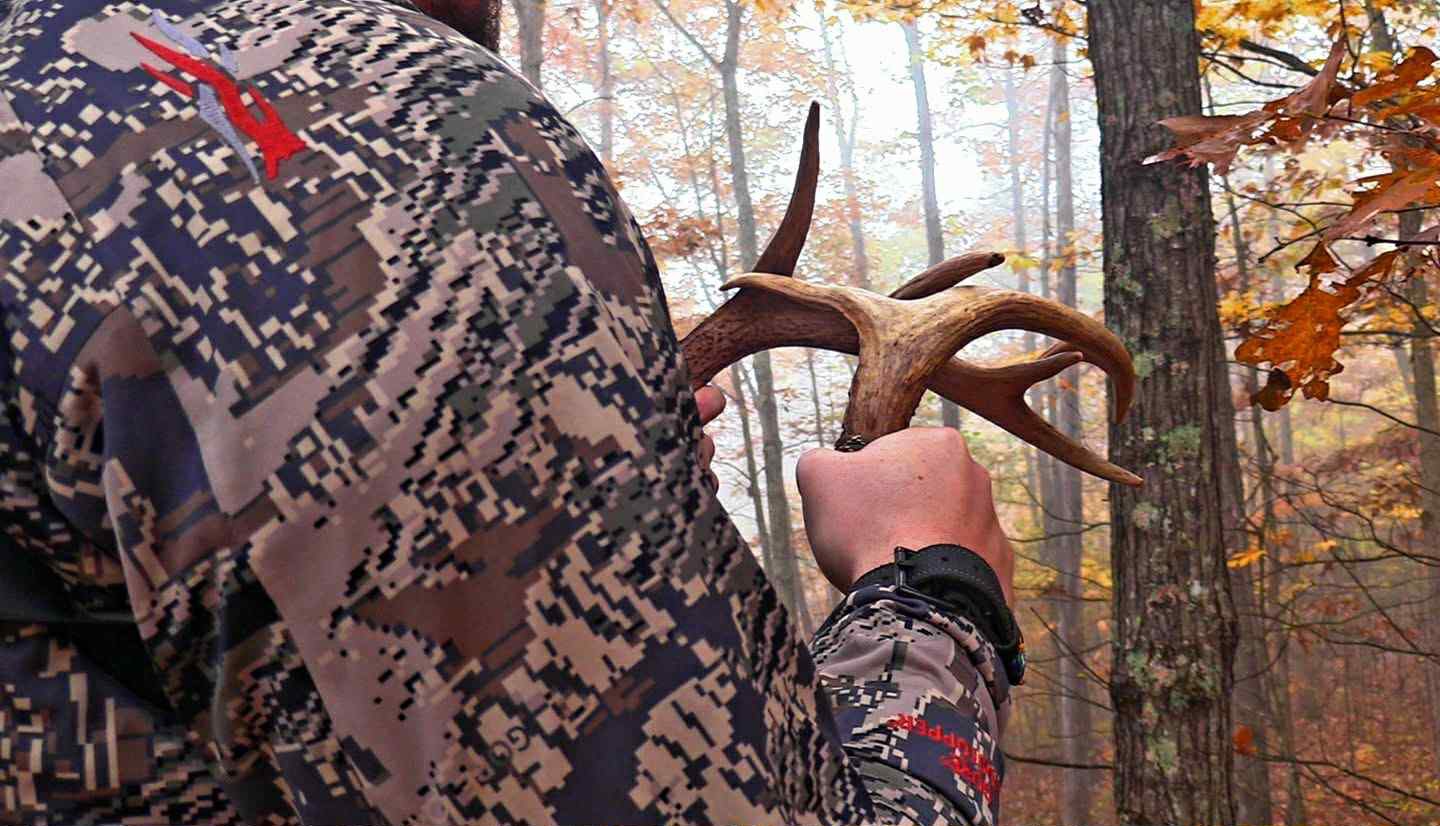
2. Hunt Aggressively and Take Calculated Risks
On a DIY hunt, playing it safe often means eating tag soup. One thing I’ve learned is that you must take action when there is no action. Sitting in place over an old sign or a good-looking pinch point sounds good, but you might be a day late and a dollar short. If you’re set up in a tree and see deer moving 100 feet from you, get down and move. I learned this lesson the hard way!
The perfect pinch point seemed easy enough, but I yearned for a better vantage and moved uphill approximately 100 yards. I watched a little but cross the pinch shortly after setting up my stand but I was too far away. I hesitated, not trusting my instints to change positions. Wouldn’t you know it, a big buck walked right through the pinch point about an hour before dark and was shot by another public land hunter the next morning.
Examples of aggressive hunting:
-
Hanging a stand at midday when you locate hot sign.
-
Hunting bedding areas when conditions are right. (bump and dump)
-
Calling and rattling during daylight when bucks are on their feet.
You have limited days—make each sit count. If you didn’t learn something on the hunt, then you failed yourself.
“Regret from inaction lasts longer than regret from spooking a deer.”
3. Be Mobile—Adapt Fast and Often
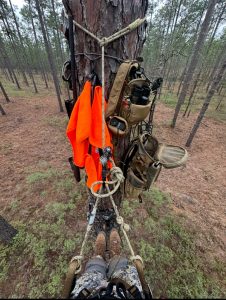
Static hunting kills on private land with patterned deer, but DIY public land hunting demands mobility. Don’t think you’re going to pick a dot on the map and sit there for 5 days and tag out. Be prepared with the right gear to ensure success. Below is a list of quality hunting options for the DIY mobile hunter, focusing on public land.
Mobile Hunter Must-Haves:
-
Lightweight treestands (e.g., Lone Wolf, XOP) or saddle setups (e.g., Tethrd, Cruzr).
-
Climbing sticks with quiet attachment systems.
-
Backpack that allows quick stand transport.
OnX Hunt and HuntStand apps help you relocate quickly without wasting time navigating in the dark.
“Hunt where the deer are, not where you want them to be,” – Aaron Warbritton, The Hunting Public
4. Hunt in All Conditions
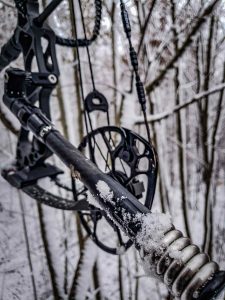
The weather is unpredictable on a road trip. DIY hunters who hunt rain or shine exponentially increase their odds. The more time you spend in the field, the better your odds of crossing paths with a buck. You’ll need to be prepared for bad weather, and having the right gear is essential. It’s imperative to have clothes for various weather conditions, a change of boots, and other hunt-related items to make your experience better. However, the most overlooked piece of hunting gear that I bring with me on roadtrips is a ground blind and chair. Most of the time, it never makes it out of the truck, but there have been hunts where I left the treestand in the truck and packed in a blind for an all-day sit in the rain or frigid temperatures.
Key Gear for Bad Weather:
-
Rain gear and umbrellas for the treestand.
-
Waterproof pack covers and 1 gallon plastic bags for stuff inside your pack
-
Thermals, Arctic Shield Boot Covers, and hand warmers for cold fronts
- Ground blind and chair
Scientific Note:
According to studies from the National Deer Association (NDA), deer often move more during light rain or right after weather fronts.
5. Manage Your Time Wisely
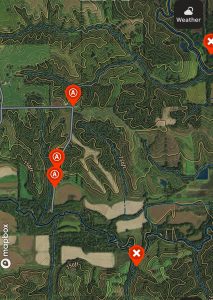
DIY hunts usually mean 5–10 days max. Every hour counts. This might be the most important topic on the list. Time management affects your entire hunt, whether it’s organizing your gear prior to the hunt or making sure you wake up when your alarm sounds the first time each morning. Scout more than you hunt! This may seem like an odd thing to say, but spending the first day or two scouting, including glassing from a distance, driving around to monitor other hunters in the area, and taking a boots-on-the-ground approach. If you need to take a break, make good use of your time. Sometimes sleeping in allows you to scout your way to the stand late morning and prepare for an all-day sit!
Time management strategies:
-
Scout at midday, hunt mornings and evenings.
-
Pack quick, high-calorie foods to avoid wasting time on meal prep.
-
Limit sleeping in.
Pro Tip: Log your daily observations in a hunting journal or in the OnX waypoint notes feature. This builds future intel for return trips.
6. Stay Mentally Tough
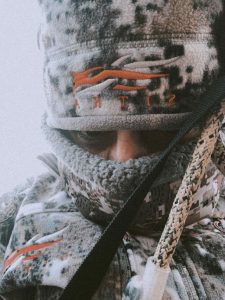
The DIY grind tests your limits. Physical exhaustion, mental fatigue, homesickness, and pressure from the clock can break your focus. The homesickness really hits hard nowadays. I’ve got a 13-year-old at home that would love to be hunting with me and an 18-month-old that misses his dad. Actually, dad probably misses him more. Factor in a wife who’s trying to work and keep the house afloat while you’re gone, and the pressure of being away can be overwhelming. It’s important to have a positive attitude, and that comes from confidence in your hunt and motivation, both internally and externally. A spouse who’s your biggest cheerleader and a good hunting buddy to encourage you from a distance are nice motivators to help keep grinding.
Ways to Stay Mentally Sharp:
-
Set daily goals (e.g., find three fresh rub lines today).
-
Celebrate small wins (spotting a good buck, finding fresh scrapes).
-
Maintain positive self-talk.
7. Commit to Continuous Learning
The best DIY hunters are students of the game—always learning. Continuous education is a term utilized in the workplace, whether you’re a real estate agent, doctor, or teacher. It’s imperative to keep your skills sharp and stay alert to new opportunities to learn. Learning never stops, especially during the hunt. You can read deer hunting articles like this one in preparation for the hunt all season long, but it’s up to you to implement the strategies suggested. Podcasts are a fantastic resource, especially when traveling. It’s up to you to put your knowledge to the test when it’s time to hunt!
Education resources to improve your skills:
-
Podcasts: Wired to Hunt, Hunting Public, East Meets West Hunt
-
YouTube: Dan Infalt, The Hunting Public, Whitetail Habitat Solutions, Hunting Gear Deals
-
Books:
-
“Bowhunting Pressured Whitetails” by John Eberhart
-
“Mapping Trophy Bucks” by Brad Herndon
-
Pro tip: After each trip, spend time analyzing:
-
What worked
-
What didn’t
-
What you’ll do differently next year
8. Have Realistic Expectations
Forget outdoor TV standards. Your first DIY road trip isn’t about shooting a Pope & Young class buck. It’s about learning, improving, and enjoying the process. Testing yourself in a new environment and the experience of watching the whitetail woods wake up in new surroundings. You should always set goals for yourself during each trip. Success often comes in Year 2 or 3 after learning a property and that’s on private ground close to home. The challenge of hunting a few days of public land drastically increases the shorter less time you have available. An example of realistic goals for a first timer should be:
Realistic Goals:
-
See deer daily
-
Have a close encounter with a buck
-
Leave with more knowledge than you arrived with
- Have a positive attitude for each hunt
Final Thoughts
DIY public land hunting isn’t for everyone, but if you embrace these eight pillars—scouting hard, hunting aggressive, staying mobile, grinding through conditions, managing time, being mentally tough, educating yourself, and keeping realistic expectations—you’ll dramatically increase your chances of success. It’s important to have realistic expectations, but perseverance pays off.
Each season is another chapter in your hunting education. To be successful, you first fail. Experience and woodsmanship a key ingredients of long-term DIY success on public land whitetails.
Hunting Gear Deals is funded by affiliate commissions. We may receive a small commission when you buy from our partners using the links provided. There is no additional cost to you. Thanks for supporting us by using our links when making your purchases.