Missouri whitetails will always hold a special place in my heart. Years ago, I was invited to Missouri to hunt an excellent tract of private ground. The owner gave our group the freedom to roam hundreds of acres of private ground. It was some of the best-looking hunting property that I had ever had the pleasure of hunting. I spent the night digital scouting through the OnX Hunt App and picked out a couple of properties that weren’t being hunted. I was with a large group of hunters that had hunted this area before, but I was the new guy and had to find my own spots, so I treated the hunt just like I would a public land hunt.
I marked waypoints and started scouting, hunting my way into potential stand locations at daybreak and crossing off less productive areas each day. I was finding deer, but not the caliber of bucks that I was interested in. Creek bottoms, crop fields, pinch points, and thickets, they all yielded deer but it wasn’t until the last evening of the hunt that I put the pieces of the puzzle together during a hang and hunt where I crossed paths with a big buck.
I was the only hunter in camp to harvest a buck during this trip. Mainly because they relied on knowledge from previous seasons instead of scouting new areas for fresh sign. Fast forward to the next season, and my group’s invite was rescinded at no fault of myself. Unfortunately, my connection for access got into an argument with the owner, and he stopped allowing people to hunt. Nowadays, you can see this famous “farmer” on reality TV shows and he and his brothers are killing some giant deer! But that’s besides the point; this is about hunting PUBLIC land, so why am I talking about private land hunts?
Well, I fell in love with that part of Missouri and continued hunting the area, but had to switch to public. During my time hunting public, I utilized the same strategy: digital scouting, boots on the ground, pinch points, food sources, and everything else in between. The first year, I eliminated several properties by aggressively scouting and hunting until I found the right property! And here’s how I did it.
The Problem with “Conventional” Public Land Hunting
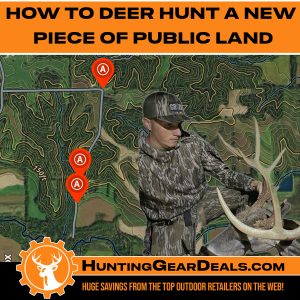
Most TV shows and mainstream articles preach low-impact hunting: hunt the edges, stay out of bedding areas, and wait for deer to come to you. That works—on private land with low pressure and sanctuaries. When hunting private land, you can control how much you impact and pressure the area, but you can’t do that on public land. You need to use other hunters’ impact to your advantage.
Public land bucks live with constant human pressure. They get bumped by small game hunters, hikers, and weekend warriors on a regular basis. Deer in these areas learn to avoid predictable hunter access points. Most hunters will sit back and play it safe, wasting cold mornings watching squirrels, wondering where the deer are.
To succeed in hunting public land, you need confidence in your stand location. And the only way to build that confidence on public land is through experience.
Aggressive Scouting Strategies That Work
Pre-Hunt Homework
Before I leave home for any public land hunt, I’m doing my research. Here’s my pre-trip checklist:
-
OnX, HuntStand, or Google Earth: Identify terrain funnels, bedding cover, and likely food sources. Identify the most obvious areas where hunters are likely to visit and try to avoid those areas. Plan unique access routes to off-grid locations, as well as the obvious trails that other hunters might take. The process of elimination can help you determine the best place to start your hunt.
-
Talk to Local Experts: Game wardens and biologists often provide insight on pressure levels, deer densities, and overlooked spots.
-
Review Historical Data: I look at aerials from past seasons. Water levels, crop rotations, and timber cuts all affect deer movement. Google Earth is an excellent tool for this process as it provides historical aerials at the touch of a button.
Boots on the Ground: Day-One Scouting
Once I arrive, my first day is about covering ground—fast but smart. If legal, I’ll bring a few trail cameras with me to hang during the scouting trip. Just be sure to make waypoints so you don’t forget where they’re at and be sure to check your local regulations to determine if they’re legal to use or not. I focus on:
-
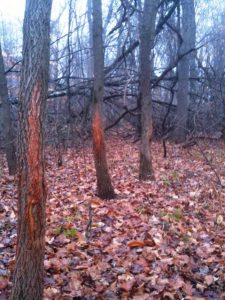
Fresh rubs and scrapes
-
Funnel points between bedding and feeding
-
Thick creek bottoms and ridge systems
-
Old logging roads and trails with fresh tracks
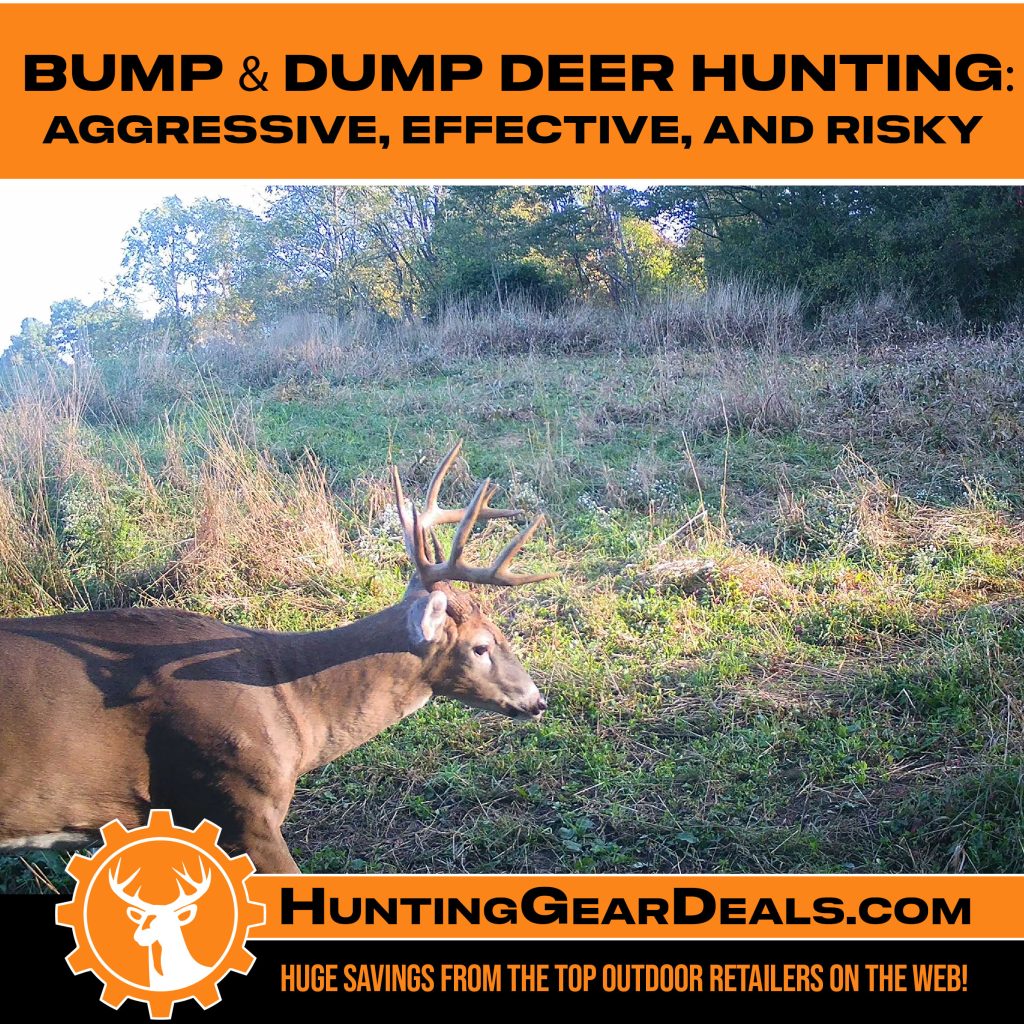
Sometimes, finding a bedding area means bumping into deer. It’s not ideal, but knowing where buck’s bed is critical. Once found, these bedding areas rarely change much from year to year. There’s also the Bump and Dump method that you can utilize to catch the buck coming back to the bedding area. Chances are, if you find a good bedding area, it’s because deer feel safe there after being pressured for years in the areas.
One key tip: Don’t just stop when you find a little sign. Scout over that next ridge. Keep pushing until you fully understand the property. Last week’s fresh sign, is this week’s all-day sit counting squirrels.
Using Trail Cameras Aggressively
Trail cameras are a huge piece of my aggressive public land strategy. Just make sure they’re legal to use in your area. My favorite place to hang trail cameras is large scrapes. You’ll get a lot of nighttime photos but you’ll quickly find out if there’s a big buck in the area or not. Trail cameras give you:
-
A quick inventory of target bucks
-
Intel on activity from other hunters
-
Movement patterns based on time and weather
Where I Run Trail Cameras:
-
Early Season: On primary trails, especially between bedding and food. Probably the hardest time to find deer with a camera.
-
Rut: On scrapes, especially community scrapes. My favorite!
-
Funnel Areas: Pinch points, creek crossings, saddle features. Creek crossing are overlooked hotspots!
Pro Tip: Be sure to bring a Python Lock to secure your trail camera to the tree to prevent theft!
Mobile Hunting Gear: Light, Quiet, Fast
Aggressive hunting means moving mid-hunt, tearing down, and rehanging stands—sometimes daily. Many public land hunters leave the treestand at home and opt for saddle hunting. This is a lightweight and convenient method of scouting and hunting the freshest deer sign without carrying a bulky treestand. However, I don’t leave the treestand at home because if I find a good spot that I want to revisit, I’ll bring the treestand with me the following day and be much more comfortable.
Mobile Setup Essentials:
-
Lightweight hang-on treestand
-
Tree Saddles (Tethrd, Latitude Outdoors): Perfect for mobile hunting and short sits.
A climbing stand can work—but I find most public land trees unsuitable for them. I don’t want to waste precious daylight looking for a “climber tree.” Mobile sticks and hang-ons—or a saddle—work almost anywhere.
Observation Sits and Bold Mid-Hunt Moves
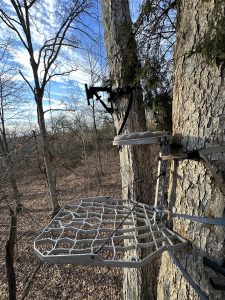
Sometimes my first sit on a property is purely observational. I’ll hang a stand where I can see the most terrain—maybe overlooking a bedding area, river bottom, or field edge. Depending on the time of year will dictate where you’ll set up for an observational hunt. Early and late seasons should provide you an opportunity to glass food sources. While you’ll need to push into thicker cover to glass and listen to potential rutting activity. Sitting at tip end of an elevated point overlooking a drainage might sound like a good place to hunt, but in the mountains of West Virginia, you might go all day without seeing a deer, but you give yourself the chance to hear bucks chasing or cruising on the facing slope or drainage. Then you’ll know where to move to during your next hunt.
Example:
During a Missouri public land hunt, I was struggling to find deer so I found a nice glassing spot and set up for the morning hunt, watching the valley wake up. It didn’t take long to spot a deer or two, but it was the distant chase of a hot doe from a large racked whitetail that told me where to move to during the next hunt. I made the adjustment the following day and came to full draw on a nice 11-pointer, only to hit a twig and deflect my arrow on the shot.
The “All-In Stand” Mindset
Almost every DIY public land hunt reaches a decision point: Pick your best spot, push your chips in, and go all in. If you’re like me, you probably only have a week to hunt during your rutcation, so at some point you’ll need to make the decision to settle down for a day or two and just hunt. Sometimes, you have to be aggressive and make it work, rather than play it safe. For instance, hunting a marginal wind. It might not be your preferred approach, but sometimes you have to take the risk before the hunt comes to an end.
Once you commit to your all-in spot, mentally prepare for all-day sits. Confidence is key. The buck I killed in Missouri came through on the last evening of the hunt!

Aggressive Hunting on Public Land vs. Hunting at Home
The tactics I use for a 7-day public land trip are very different from how I hunt a season-long private property. At home, I can wait for perfect weather, preserve bedding areas, and play it safe. On public land with limited time? Playing it safe will kill your hunt. You have to scout aggressively, hunt mobile, and accept that calculated risks will produce the best results. You will bump deer, and you’ll ruin a few hunts. However, chances are you’ll find the right spot at just the right time if you’re alert and prepared.
Public Land DIY Gear Checklist for Aggressive Hunting
✅ Mobile treestand or saddle setup
✅ Climbing sticks
✅ Safety harness (treestand)
✅ Trail cameras (cell cams if allowed)
✅ OnX or HuntStand mobile app
✅ Scent control products
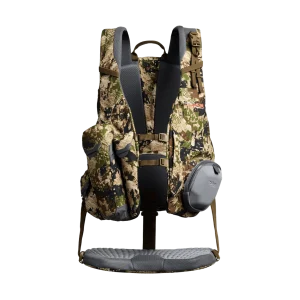
✅ Lightweight pack for gear and layers
✅ Rangefinder and binos
✅ Good boots—you’ll walk a lot
Final Thoughts: Aggression Pays Off
Success on public land comes down to one thing: Confidence in your spot and yourself. And that only comes from experience, such as burning boot leather, running cameras, observing, and being willing to move when the deer dictate. It also comes from bumping deer and learning from your mistakes. If you haven’t failed, you haven’t hunted hard enough. Public land can be intimidating, especially for those who are limited on time. However, planning ahead, being aggressive, and having realistic expectations are the key to success.
Hunting Gear Deals is funded by affiliate commissions. We may receive a small commission when you buy from our partners using the links provided. There is no additional cost to you. Thanks for supporting us by using our links when making your purchases.