6 Steps for Early Season Whitetail Success
You’ve scouted all summer long and pieced together a pattern on your target buck. From glassing crop fields from a distance, to watching his antlers grow through the lens of your trial cameras. You’ve developed the perfect plan of attack on opening evening, giving you the confidence to start picking out your taxidermy form and place on the wall. This is your year, this is yoru time!
However, as the opening day grows closer, he stops showing up in the crop fields, and your trail cameras aren’t graced by his presence anymore. What you thought was a sure thing, is the start of a new season and your fool-proof plan is a thing of the past. But what happened? Where did the buck go? Did you do something wrong? Also, you’re going to want to check out 5 Early Season Mistakes Deer Hunters Often Make.
Early Season Deer Behavior
The bachelor groups that you’ve been eyeballing all summer break up shortly after the velvet comes off. Testosterone levels begin to rise, and bucks begin to figure out the pecking order amongst the local deer herd. Dominate bucks take the safest areas, with other bucks being pushed out of the area on occasion. All of the hard work and time that you’ve invested into the start of hunting season seem futile at best.
However, don’t be discouraged as the information that you’ve gathered will be of good use. If you’re lucky, the buck you’ve had your sights set on all summer isn’t too far away. You might think he’s been poached or gone nocturnal, but he’s probably relocated to area that has better cover or better food sources. There’s always the potential for increased hunting pressure as other bowhunters begin to start scouting, hanging stands, and littering the landscape with trail cameras and bait piles. Unless the pressure has caused him to relocate, chances are he’s not too far away and your plan may still come together if the conditions align.
However, if they don’t, here are five early season tactics to help you kill and early season buck this season. When you finish reading this blog, check out our Opening Day Deer Hunting Tips for Bowhunters.
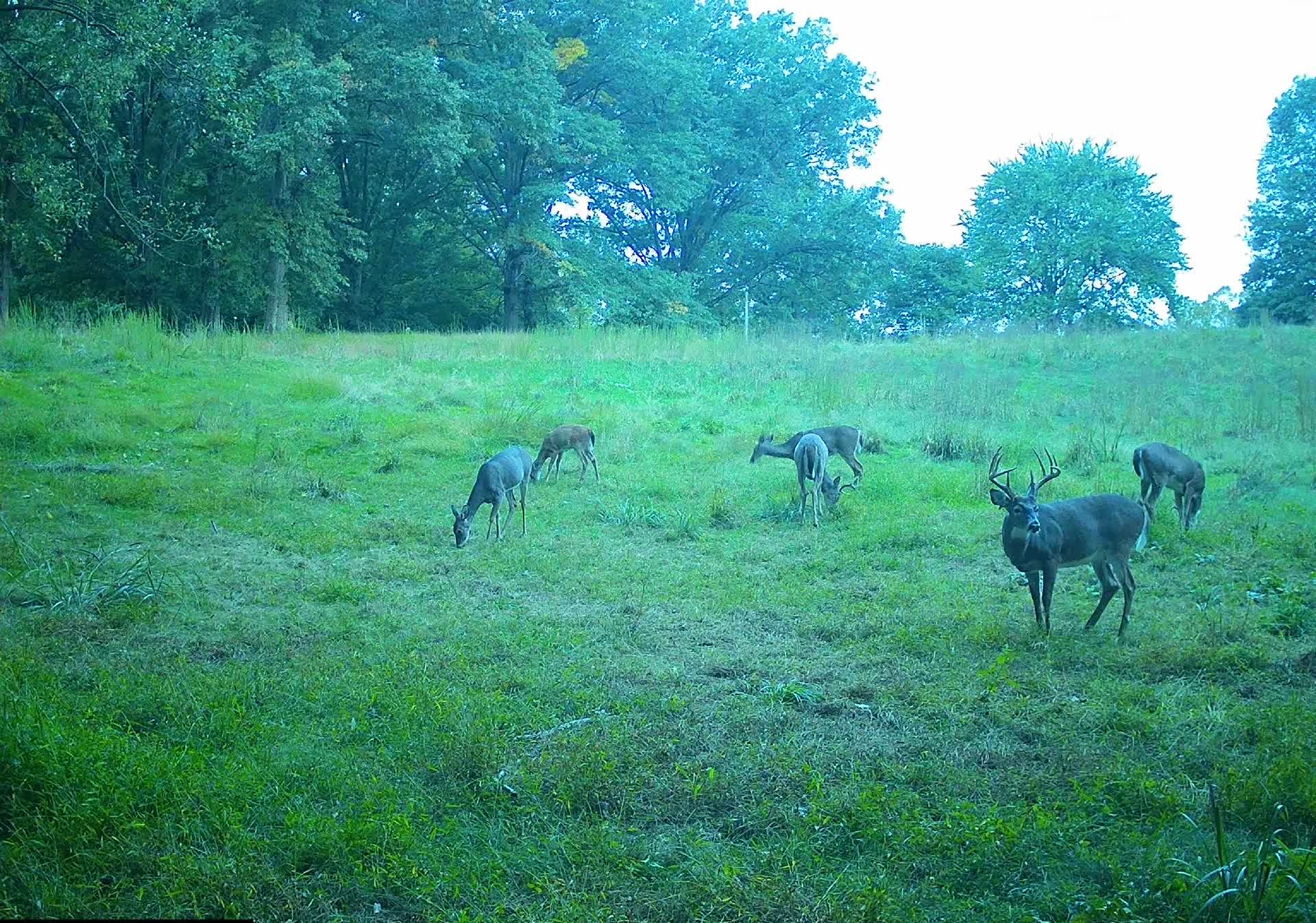
Bachelor Group Dispersal
Remember how excited you were to glass up a group of bachelor bucks feeding in the distance, with their velvet antlers on display for the world to see? Also, the excitement of waking up each morning to an array of trail camera photos with multiple bucks in it throughout August? Well, those days are over.
Not only do we see a shift in where deer eat and bedding, but their social behavior drastically changes. Bucks begin to fight for dominance within the herd, with the winners taking control of the best bedding and cover in the area to ensure their survival. Young bucks begin to disperse, while all of the bucks will start establishing rub lines as they lose their velvet and travel to and from food sources.
What causes this sudden change in whitetail buck behavior? Testosterone! Just like when you trying to deal with a teenager’s hormonal changes, the whitetail bucks start to get more aggressive and focused on finding a female companion.

Changing Food Sources
Opening day often presents unique challenges as acorns begin to fall and soybeans begin to turn yellow. Combining these two options, you might not see a deer in an open field to start the season. Pay special attention to potential food sources, such as persimmon trees and white oak trees. Both of these can attract deer once they start to fall, potentially pulling them deeper into the timber and further away from your field edge treestand.
Learning where these new feeding locations can be very productive, especially small isolated patches of white oaks.
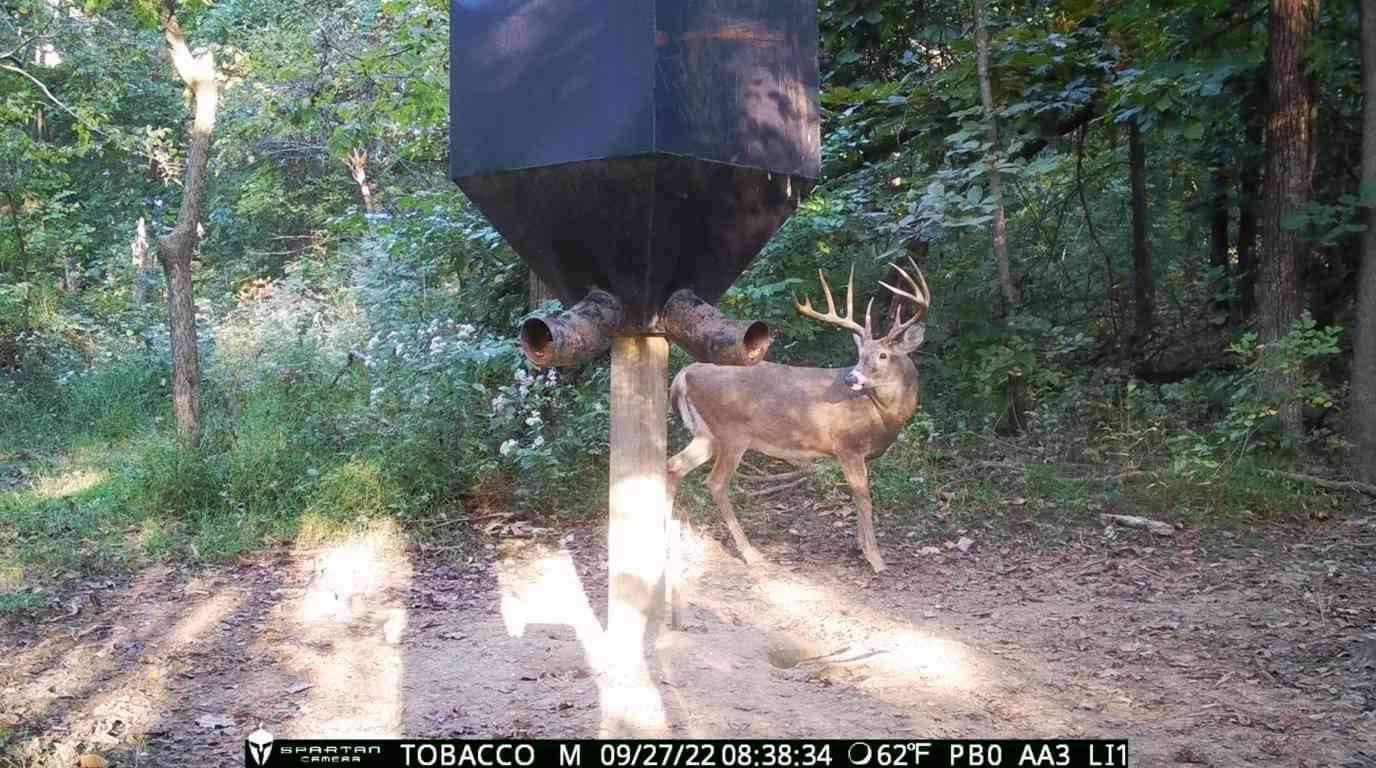
Patterning Whitetails During the Early Season
First of all we must talk a little bit about “patterning” to begin with. Some of the things I have seen in print would lead you to believe that bucks have some sort of internal alarm system that tells them where to go and what to do at any given time. In 40 years of bowhunting and observing whitetail behavior I am becoming more and more convinced that what we refer to as patterns are really overrated. Sure, individual bucks tend to bed in the same areas given the same environmental conditions, and they tend to feed where the best available food is found, but that’s about all that’s cast in stone.
It seems to me that bucks have an instinct to switch things up occasionally, because the ones who don’t are more likely to be turned into venison than those who do. A buck gets up from his bed, stretches a little and heads down the trail towards somewhere he knows he can get a bite to eat. He comes to a fork in the trail and instead of going left like he did for the past three days, he goes right. He doesn’t know why he went right, any more than the guy sitting in the stand wondering why he didn’t show that night. Some deer are fairly consistent, some are frustratingly random.
Trying to pattern deer is like pushing a rope. You simply can’t make any headway. It would help us all to put the idea of putting a deer on a specific schedule and think more in terms of trends and tendencies. We will be better off and a lot less frustrated if we do. If we think in terms of what the buck might do on any given evening based on the environmental conditions (temperature, wind speed and direction, etc.) we can get ahead of his movements better than we can if we concentrate on what he has been doing. Of course we are not going to throw out all our observations of his behaviors we have stored in our memory, but we should just view them as one small piece of the whole puzzle rather than the complete picture.
Mistakes Can Be Made – But There’s One Thing You Cannot Mess Up
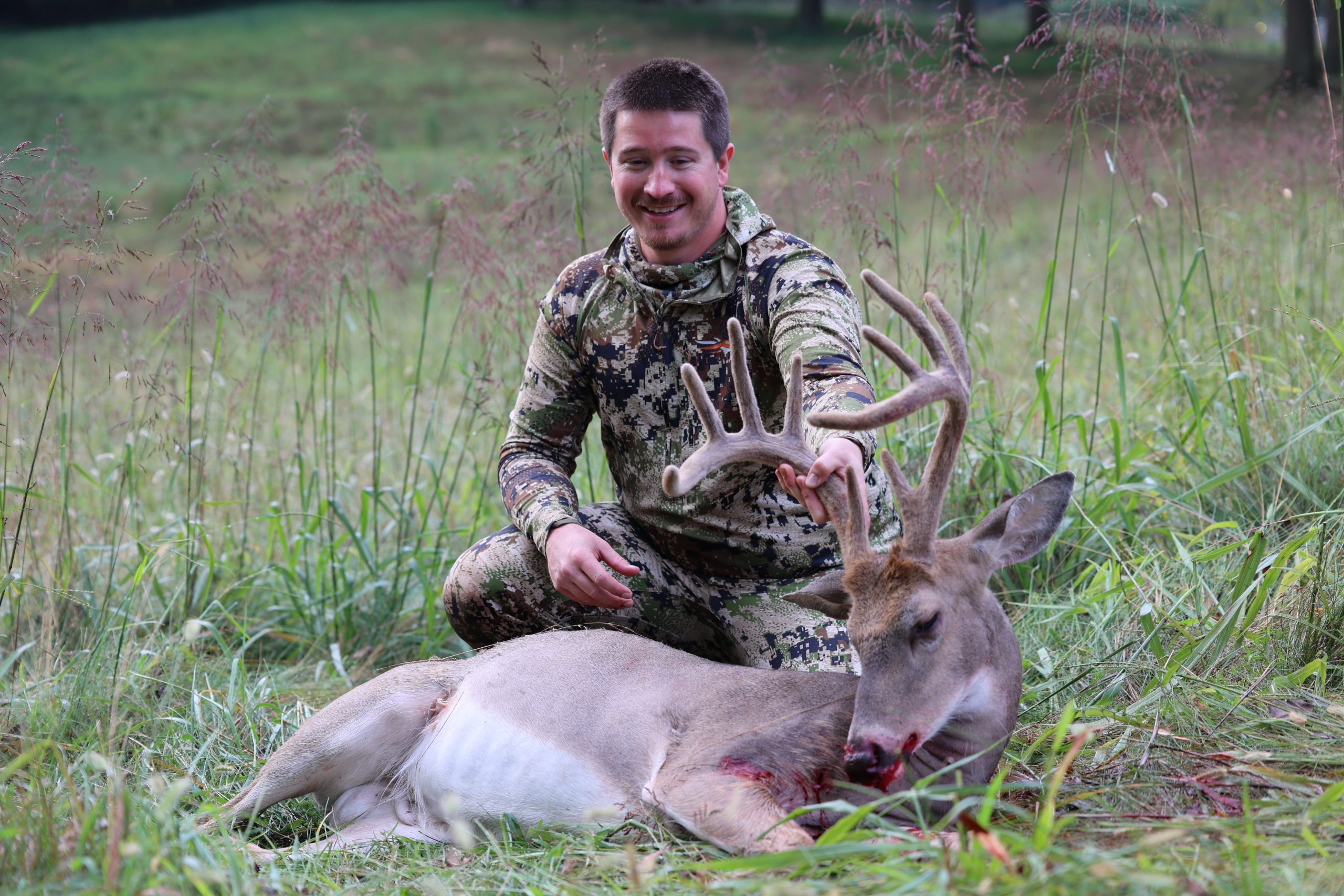
One of the biggest mistakes that I made on the opening weekend of archery season that still haunts me to this day is over-thinking it. I had a pattern on a beautiful 12-point buck in southern West Virginia. Every evening he was on camera and opening day would be no different. I watched the buck walk into bow range, but he didn’t stick around and just as I came to full draw, he stepped behind a tree and escaped danger to live another day.
Feeling defeated, I didn’t hunt the following evening and wouldn’t you know it, that 12-pointer showed up just as he had each day for the previous two weeks. The only problem was, I wasn’t there. I didn’t think he would show and I was unable to get back in there to hunt for several weeks. By the time I made it back down there, his pattern had changed and he wasn’t in the area anymore. He was already at the taxidermist and in someone else’s freezer. MY buck was dead!
Lesson learned! Early season bucks will tolerate a little more pressure and there’s room for mistakes. However, there’s one mistake you cannot make, regardless of the season. You must hunt when the conditions are right. Don’t give up the wind and put yourself in a situation that might get you busted. If the conditions don’t allow you to get in and out without getting busted, stay away until the time is right.
Bedding Areas Change
It pays to be familiar with the preferred bedding areas. An entire book could be written on how deer choose beds based on the conditions throughout the year. Daylight hours are shortening, so you’ll want to figure out where your buck is bedding without letting him know you’re on to him. You won’t have much time, as bedding areas will be changing soon. If you think about it, leaves will be falling soon and vegetation will be dying back, so what looks like good bedding cover today will look much different as the season progresses.
It’s not easy finding bedding locations without bumping deer out of their beds, but try finding where a buck is entering and exiting a feeding area and track him backward with trail cameras. If you can put the puzzle together before his pattern changes, it’s a game-changer!
Patience Kills Bucks
Just because it’s opening day, doesn’t mean you have to be in the stand. Make sure the conditions are ideal for the stand placement. The early season offers higher temperatures, meaning you’ll be stinking up the place as the temperature rises. Pay attention to your scent control and adhere to this scent control regimen that has helped me stay scent-free while in the tree.
If the conditions aren’t ideal, don’t push your luck. Instead, invest time into glassing or scouting from a distance. There’s also a laundry list of items to complete on your honey-do list that need to be completed before it’s time to dedicate all of your spare time to chasing big bucks in the rut! If you’re going to be out during the warm, early season, whether you’re hunting or scouting, you need to learn how to How to Protect Yourself from Ticks in the Outdoors.
You’ll also like our blog post, 30+ Early Season Hunting Products To Help You Beat the Heat
Hunting Gear Deals is funded by affiliate commissions. We may receive a small commission when you buy from our partners using the links provided. There is no additional cost to you. Thanks for supporting us by using our links when making your purchases.