If there’s one thing that could keep me out of the woods during hunting season, it would probably be ticks and chiggers. Ticks can potentially carry life-threatening diseases and nothing itches worse than chigger bites. A few years ago, I leased a piece of ground in eastern Kentucky and quickly found myself covered in chiggers from head to toe. It was so bad that I quit hunting the lease and didn’t return to fill my tag that season. Ever since then, I’ve been on the hunt for the perfect line of defense against ticks and chiggers.
After years of trial and error, I’ve found several products that help me prevent contact with ticks and chiggers. Here’s a detailed list of insect prevention products that are safe to utilize in the field, even while hunting.

Sitka Equinox Guard Pants
The Equinox Guard Pant helps prevent contact with insects in three distinct ways: limited skin exposure, bite-reduction fabric, and built-in Insect Shield protection. Comfortable and moisture-wicking, especially in hot, humid conditions, the pant is made from a lightweight SITKA-developed fabric that promotes airflow and features zippered leg vents that expel heat when moving fast and zip up for extra protection. Internal leg gaiters help prevent ticks and chiggers from crawling up your legs when worn under socks.
For more information on the Sitka Equinox Guard Pants, check out this gear review.

Sitka Equinox Guard Hoody
The Equinox Guard Hoody helps prevent contact with insects in three distinct ways: limited skin exposure, bite-reduction fabric, and built-in Insect Shield. Comfortable and moisture-wicking—especially in hot, humid conditions—it’s made from a SITKA-developed ultra-lightweight, breathable, tightly knit stretch fabric that helps prevent mosquito bites. It features a breathable mesh facemask and a long tail that tucks into your pants for maximum chigger/tick protection.

Sawyer’s Permethrin
Odorless after drying, Sawyer Permethrin Fabric Treatment can be used to treat a variety of fabrics like clothing, gear, and tents. A successful application of this insect repellent treatment is effective against mosquitoes and ticks for 6 weeks or 6 washes.

Tickless
The device emits ultrasonic pulses that are imperceptible to humans or animals, but interfere with the ability of ticks to orient themselves, thus keeping them away. The device is primarily intended for preventive purposes. Tickless Human is the ideal solution to keep ticks away during outdoor activities like hiking, gardening, hunting, walking, or camping. Simply attach the device to your clothing, and it will keep ticks away for up to 3,000 hours, allowing your whole family to enjoy nature without worry. (Approx. up to 2 years)
- Chemical-free
- 6.5 feet range
- No odors and fragrances
- Scientifically proven
- Safe to use for everybody
- Preventive solution
- All-season long protection
Coupon Code: HGD15 to save 15% off at checkout
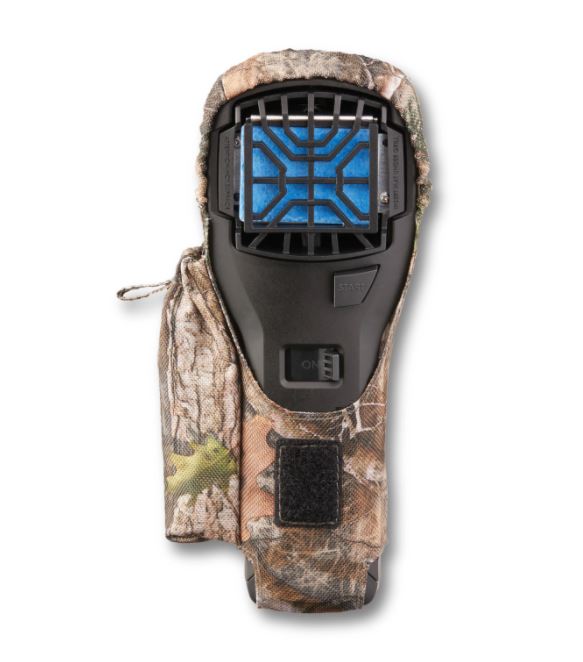
Thermacell (Mosquitoes)
Thermacell Mosquito Repellers are easy to use and provide hours of scent-free, mess-free mosquito defense up to 15 feet per repeller. This portable repeller is ideal for hunters from the tree stand to the duck blind and other adventures like fishing, camping, hiking, and more. ZoneCheck provides a visual indication of when the zone of protection is created. It won’t help you against ticks and chiggers, but it’s worth mentioning here.
Ticks can pose a serious threat to hunters, anglers, hikers, and other outdoor enthusiasts. Ticks are carriers of tick-borne diseases, such as Lyme Disease or Rocky Mountain Fever. To stay safe in the outdoors, you must learn how to protect yourself from ticks in order to fully enjoy the great outdoors for years to come. This comprehensive guide will provide you with effective preventive measures and tips to minimize the risk of tick bites and the potential health complications they may bring.
- Understand Tick Habitats and Behavior:
- Recognize common tick habitats, such as wooded areas, brushy and grassy areas, and leaf litter.
- Basically, anywhere hunters and outdoorsmen like to be!
- Stay on well-defined trails and avoid close contact with tall grasses and brushy areas.
- I remember seeing signs at Presque Isle in Erie, PA warning visitors of the dangers of ticks in the woods. Chances are, you’re not going to find a sign warning you about ticks where you hunt but the dangers are still there.
- Be aware of the tick species prevalent in your region, including the black-legged tick, lone star tick, American dog tick, and western black-legged tick.
- Each tick has unique characteristics to help you identify them, as well as the dangerous tick-bourne illnesses that they could potentially be carrying.
- Recognize common tick habitats, such as wooded areas, brushy and grassy areas, and leaf litter.
- Dress Appropriately:
- Wear long-sleeved shirts and long pants to minimize exposed skin.
- Tuck your shirt into your pants. (I might look goofy, but I actually tuck my shirt tail into my underwear)
- Tuck pants into socks or boots to create a barrier.
- You can utilize black tape to blouse your pants but this is not as effective as the bugs can and will find a way.
- Opt for light-colored clothing to make ticks more visible.
- The Sitka Gear Equinox Guard series in Coyote is ideal.
- Consider treating clothing with Sawyer’s Permethrin or using insect repellent containing permethrin.
- Purchase clothing that is pre-treated with insect repellent such as the Sitka Equinox Guard series.
- Wear long-sleeved shirts and long pants to minimize exposed skin.
- Use Tick Repellents:
- Apply an EPA-approved insect repellent to exposed skin, especially on ankles, wrists, and neck.
- This isn’t something I do during hunting season as it puts off a strong scent.
- Look for products containing DEET, picaridin, oil of lemon eucalyptus, or other recommended ingredients.
- Personally, insect repellent with high levels of DEET burns my skin, so I rarely utilize it.
- Follow the instructions on the repellent label for safe and effective use.
- Apply an EPA-approved insect repellent to exposed skin, especially on ankles, wrists, and neck.
- Perform Daily Tick Checks:
- Conduct a full-body tick check after spending time outdoors, paying special attention to hidden areas like the scalp, behind the ears, underarms, belly button, and groin.
- Ticks are attracted to heat, so the warmest parts of the body are often the places where they try to attach themselves. The head and scalp can be the most difficult part of the body
- Use a mirror or ask a family member or friend to help check hard-to-see areas.
- Remember, the hairier you are, the harder it is to find them!
- Examine clothing and gear for any unattached ticks.
- Conduct a full-body tick check after spending time outdoors, paying special attention to hidden areas like the scalp, behind the ears, underarms, belly button, and groin.
- Proper Tick Removal:
- If you find an attached tick, use fine-tipped tweezers to grasp it as close to the skin as possible.
- Pull upward with steady, even pressure to remove the tick.
- Avoid twisting or squeezing the tick, as this may increase the risk of infection.
- Clean the bite area with soap and water, rubbing alcohol, or an iodine scrub.
- Recognize Symptoms of Tick-Borne Diseases:
- Be familiar with common tick-borne illnesses like Lyme disease, Rocky Mountain spotted fever, and southern tick-associated rash illness (STARI).
- Look out for symptoms such as rash, joint pain, fever, fatigue, or flu-like symptoms.
- Bulls-eye rash
- If you experience any concerning symptoms, seek medical attention promptly.
- Additional Preventive Measures:
- Use permethrin-treated clothing or insect-repellent-treated gear for added protection.
- Perform a thorough tick check on pets before they enter your home.
- Consider using insect shield clothing or applying essential oils that may repel ticks.
Protecting yourself from ticks is the best defense against tick-borne diseases. By implementing these preventive measures, including proper clothing, effective use of repellents, regular tick checks, and environmental control, you can reduce the risk of tick bites and enjoy your outdoor activities with greater peace of mind. Remember to seek medical attention promptly if you experience any concerning symptoms after a tick bite or potential exposure to ticks. Stay safe and enjoy the outdoors responsibly!
Frequently Asked Questions about Ticks and Chiggers
- Can ticks go through clothing?
- Small, young ticks (known as nymphs) are around the size of a poppy seed and can easily squeeze through clothing at seams and openings. Socks alone are not a good barrier to protect you against ticks, seed ticks, and chiggers but if you follow the steps above, it shouldn’t be an issue.
- Will a shower remove ticks?
- No, showering will not remove ticks, but it might help you find them on your body.
- What do ticks hate most?
- Ticks hate the smell of lemon, orange, cinnamon, lavender, peppermint, and rose geranium so they’ll avoid latching on to anything that smells of those items
- How do ticks get on humans or pets?
- When you brush against a spot where a tick is waiting, it quickly climbs aboard. Some ticks will attach quickly and others will wander, looking for places like the ear, or other areas where the skin is thinner. Think of ticks like heat-seeking missiles that are ready to jump onto the first heat-source that walks by.
- Ticks climb onto humans or pets when they brush against vegetation or tall grass where ticks are present.
- They can then crawl onto the body and find a suitable location to attach and feed.
- Are ticks dangerous?
- Yes, ticks can be dangerous as they can transmit diseases to humans and animals during their feeding process. Some of these diseases can have serious health implications if left untreated.
- What diseases can ticks transmit to humans?
- Ticks can transmit various diseases, including Lyme disease, Rocky Mountain spotted fever, babesiosis, anaplasmosis, ehrlichiosis, tularemia, and Powassan virus infection, among others.
- How can I remove a tick safely?
- To remove a tick safely, you should use fine-tipped tweezers. Grasp the tick close to the skin’s surface and pull upward with steady, even pressure. Avoid twisting or jerking the tick to prevent mouthparts from breaking off and remaining in the skin.
- What is the proper way to dispose of a removed tick?
- The proper way to dispose of a tick is to submerge it in rubbing alcohol, place it in a sealed bag or container, or flush it down the toilet. Avoid crushing the tick with your fingers.
- How can I prevent ticks from biting me or my pets?
- To prevent tick bites, you should wear long sleeves, pants, and closed-toe shoes when in tick-prone areas. Use insect repellents containing DEET or picaridin, and regularly check yourself and your pets for ticks. Consider using tick-preventive treatments for your pets.
- What are the common symptoms of tick-borne diseases?
- The symptoms of tick-borne diseases vary depending on the specific disease but can include fever, fatigue, muscle aches, joint pain, rash, headache, and swollen lymph nodes. Some diseases may also cause more severe symptoms.
- What should I do if I’ve been bitten by a tick?
- If you’ve been bitten by a tick, clean the area with soap and water. Monitor the site for any signs of a rash or infection and consult a healthcare professional if you develop symptoms or are concerned.
- Are all ticks capable of transmitting diseases?
- No, not all ticks are capable of transmitting diseases. The ability to transmit diseases varies among different species of ticks. Some ticks are more commonly associated with disease transmission than others.
- Where are ticks commonly found?
- Ticks are commonly found in wooded areas, grassy fields, gardens, and areas with dense vegetation. They can be present in both rural and urban environments.
- How long does it take for a tick to transmit a disease?
- The time it takes for a tick to transmit a disease can vary. In general, transmission of diseases like Lyme disease usually requires the tick to be attached and feeding for 24 to 48 hours or longer.
- Can ticks live indoors?
- While ticks are primarily outdoor pests, they can be brought indoors on pets or people. However, ticks cannot establish infestations indoors and typically do not survive for long periods indoors without a host.
- Can ticks jump or fly?
- No, ticks cannot jump or fly. They rely on crawling and climbing to reach a host. They typically position themselves on vegetation and latch onto passing hosts.
- Do ticks die in the winter?
- While ticks are less active during winter, they can survive in colder temperatures by seeking shelter under leaf litter, snow, or in protected areas. Some species are even active during milder winter days.
- What is the life cycle of a tick?
- Ticks have a complex life cycle consisting of four stages: egg, larva, nymph, and adult. After hatching from eggs, ticks must feed on blood at each stage to progress to the next.
- How can I protect my yard from ticks?
- To protect your yard from ticks, keep the grass mowed short, create a barrier of wood chips or gravel between lawns and wooded areas, remove leaf litter and brush, and consider using tick control products.
- What are the different types of ticks and their characteristics?
- There are various types of ticks, including the black-legged tick (deer tick), American dog tick, lone star tick, and brown dog tick, each with different characteristics, preferred hosts, and geographical distributions.
- Can I get Lyme disease from other insects besides ticks?
- Lyme disease is primarily transmitted through the bite of infected black-legged ticks (deer ticks). Other insects, such as mosquitoes or flies, are not known to transmit Lyme disease.
- Can ticks be found in urban areas?
- Yes, ticks can be found in urban areas, especially in parks, gardens, and areas with vegetation. They can hitch a ride on birds, rodents, or pets and find suitable habitats in urban green spaces.
- Are there any natural remedies or essential oils that repel ticks?
- While some essential oils such as eucalyptus, citronella, and lavender may have some repellent properties, their effectiveness against ticks can vary. It is generally recommended to use EPA-approved insect repellents for better protection.
- How often should I check myself or my pet for ticks?
- It is advisable to check yourself and your pets for ticks after spending time in tick-prone areas. Ideally, check for ticks daily, especially during peak tick season.
- Can ticks bite through clothing?
- Ticks cannot bite through clothing with a tight weave. Wearing long-sleeved shirts, long pants, and tucking pants into socks or boots can help prevent ticks from reaching the skin.
- Can ticks be found on cats?
- Yes, ticks can attach to cats. Regular tick checks and preventive measures are recommended for cats that go outdoors, especially in areas where ticks are prevalent.
- How long do ticks usually stay attached?
- Ticks can stay attached to a host for several days to feed. The duration of attachment varies depending on the tick species and can range from hours to several days.
- What is the best way to avoid tick bites while hiking or camping?
- To avoid tick bites while hiking or camping, wear protective clothing, use insect repellents, stay on marked trails, avoid tall grass and vegetation, and perform thorough tick checks after outdoor activities.
- Can ticks cause allergic reactions?
- Tick bites can cause allergic reactions in some individuals. These reactions may manifest as localized swelling, redness, itching, or in rare cases, more severe allergic responses.
- How can I differentiate between different types of tick bites?
- Differentiating tick bites from various species can be challenging as the bite itself may not be distinctive. If you develop symptoms or concerns, consulting a healthcare professional can help identify the potential tick-borne disease.
- Are tick bites itchy?
- Tick bites can sometimes cause itching, but it’s not a universal symptom. Some people may not experience any itching at the site of the bite.
- Can ticks cause paralysis?
- Some species of ticks, particularly certain female ticks, can release neurotoxins during feeding that may cause tick paralysis. However, tick paralysis is relatively rare.
- Are there any vaccines available for tick-borne diseases?
- There are vaccines available for some tick-borne diseases, such as Lyme disease. Consult with a healthcare professional to determine if vaccination is recommended in your specific situation.

Ready to protect yourself? If so, follow the links for each item listed above to help you protect yourself from ticks and chiggers this hunting season.
Hunting Gear Deals is funded by affiliate commissions. We may receive a small commission when you buy from our partners using the links provided. There is no additional cost to you. Thanks for supporting us by using our links when making your purchases.

AUTHOR BIO
Hi, I’m Camron the owner of Hunting Gear Deals. I’m an avid bowhunter with a knack for finding good deals on hunting gear and love to help you save money on hunting gear. I’m also the owner of the popular Bucks, Bulls, & Bears email newsletter that’s built to educate and entertain hunters. If you haven’t subscribed, you’re missing out! Last but not least, I’m proud to say that I work for Whitetail Properties as a Land Specialist in Ohio. If you’re in the market for hunting property, shoot me an email and I’d love to help you find your dream property.
Instagram- @huntinggeardeals