My favorite time to pattern a mature whitetail buck is just around the corner. Opening day is the best time to ambush an unexpected buck during the early season. Years ago, I did a study of mature bucks kill a bow-only county of West Virginia. The study consisted of 10 years of harvest data of bucks 3.5 years old or older. The best two-day stretch to kill a big buck was the opening weekend of bow season, in this case, the last Saturday in September.
Now, the reason that most of these bucks were probably killed was due to bait, as food sources aren’t very common in the area and baiting is legal. Aside from hunting over bait, there are several other techniques that you can implement to help you punch your buck tag during the early season.
Here are five aggressive early-season strategies to help you kill a big buck before the rut!
Hunt in the Morning
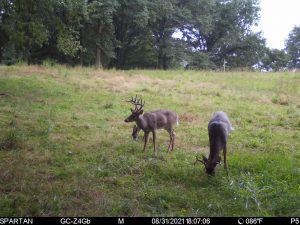
Traditional deer hunting wisdom would tell you not to hunt during the mornings during the early season. If I’ve got a solid evening pattern on a buck, I’m not going to push into the area until it’s time to kill him in the evening. However, if you don’t have a pattern, you should still consider hunting in the mornings and I’ve killed two early-season bucks during unexpected opportunities during morning hunts.
The first early-season buck that I killed in Ohio came after getting busted walking out of the woods after evening hunts. The deer were coming off the hill that I was hunting to feed in a large hayfield at night. After an uneventful opening weekend, I decided to glass the hayfield from the opposite side, my back to a creek, and passed the creek a road. I had no expectations of killing a buck but I brought my binos and a comfortable turkey hunting chair for the morning hunt. Little did I know, there was buck bedded down the creek about 100 yards from my set-up and he’d walk 20 yards of me an hour after daylight. Had I skipped the morning hunt, I would have never known this buck existed, let alone shot him from the ground the first week of bow season.
The second successful morning hunt was more recently. The plan was to go in and shoot a doe but little did I know, I’d end up filling a buck tag after my doe tag! I got really aggressive, bumping deer out of the field with my truck and then climbing into the stand before daylight. As I said, the goal was a doe and shortly after daybreak and doe crested the hill working her way back to the bedding area behind me. A few minutes later, I was checking in the doe on my phone and watching a velvet 10-point follow the same trail that the doe had taken previously.
I shot the buck over top of the dead doe’s body! It was a crazy hunt that was all captured on video!
Fresh White Oak Acorns are Deer Magnets
In my neck of the woods, the start of bow season coincides with soybeans turning yellow and acorns falling. If you can find an isolated white oak tree that’s dropping acorns, chances are there will be deer visiting the tree daily until the supply runs out or another tree produces the next crop. You’d think that every oak tree would drop their acorns at the same time but that’s not the case.
Keep an eye out for fresh droppings and buck rubs nearby. They might not be big rubs, but fresh rubs are good meaning that there’s a buck in the area. When hunting over food, you’re either in the mix or you’re just wasting time. In-season scouting will reveal these locations and if you’re a weekend warrior like most of us, by the time you find the perfect tree, its time to go back to work and start the process all over again next week.
This can be utilized for soft mast trees, such as apple and pear trees. Chestnuts and persimmons are great options too!
bucks Here in the upper Midwest, crops are rapidly changing during September. Soybeans are a preferred food in August, but by early September, they are mature and losing their appeal. Acorns are on the ground, further moving the bucks around. You arrive at a hunting location one day to find that lush alfalfa field you have been watching is suddenly mowed to stubble and the hay bales are being moved out of the field. Things are changing fast and patterns are falling apart.
GPS tracking of whitetails have shown that bucks move to new areas during the month of September. They tend to have late summer home ranges and fall home ranges. That buck you saw a dozen times in one field may be setting up a new home a couple miles away two weeks later.

Does calling work during the early season? Grunt Calls and Rattling Antlers
Typically we think about grunt calls and rattling as rut tactics but deer will sometimes respond to calling strategies during the early season. I recall the very first buck I killed from a treestand chasing doe by my stand on opening morning years ago when West Virginia’s season opened up in mid-October.
Deer are vocal animals all year long, so don’t be afraid to make the grunt call around just in case you need to spice things up. Bucks begin sparring just as the velvet is shed, so deer are used to hearing the tickling of antlers and will often come in to investigate the sound. Don’t get too aggressive with your calling, softer and gentler calling is best during this time.
Bucks naturally try to establish a pecking order through sparring and fighting, so use that knowledge to your advantage.
Don’t Hunt, Instead Just Drive Around
This sounds crazy but skip the morning and evening hunts during opening weekend if you’re hunting public land. Instead, drive around with your favorite hunting map open and mark all of the locations where other hunters are parked. Draw a 1/2 mile radius around each vehicle and eliminate those areas from potential hunting locations.
Most hunters will be in the woods in the evening, so it shouldn’t be hard. However, take notes of the areas that aren’t getting hunted and focus your attention on those places first. There’s also the option of using other hunters to push deer back to you. If you know how hunters are accessing the area, use them like deer drivers and find an area where deer are likely to run towards cover after being pressured.
Water is the Key to Beating the Early Season Heat
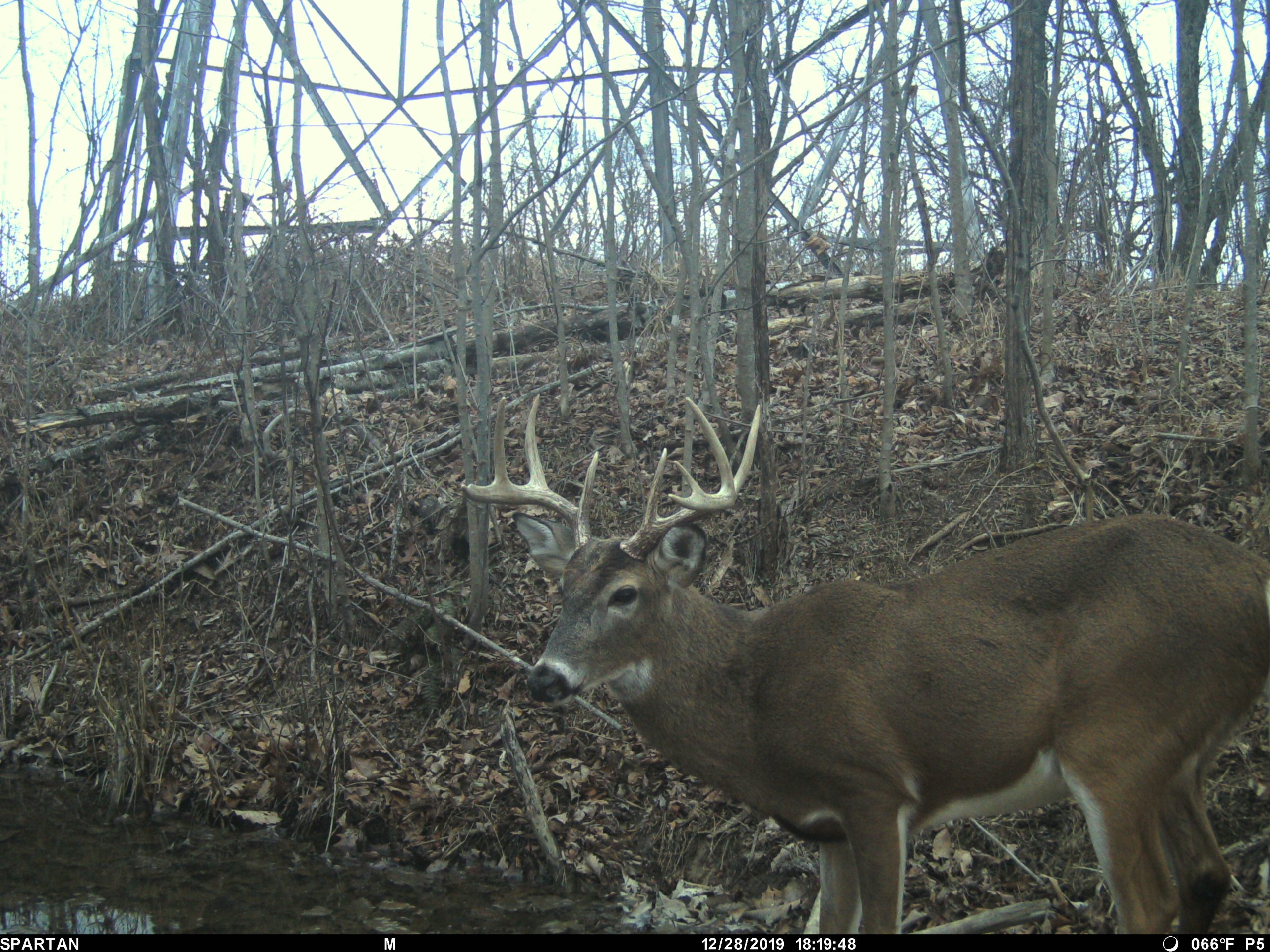
This shouldn’t come as any surprise but if you want to find big bucks, find water. It’s not uncommon for the start of hunting season to be met with uncomfortably high temperatures. This will focus deer in areas that are close to water. As simple as it sounds, sometimes these are the most overlooked hunting spots.
Another real-world example where I killed a buck near water. It’s not uncommon for me to place non-cellular trail cameras in areas for an entire season and leave them out to compile as much data as possible to help me the following year. One of these areas was a mud hole on top of the ridge that never had a lot of deer sign around it. However, the trail camera data proved otherwise I saw buck after buck hit the water hole throughout the year, including the rut.
Fast forward to the next year and I hung a stand nearby and killed a buck during the first cold front in October as the buck was transitioning from bedding to a feeding location covered in acorns.
Follow the Rubline from the Field Edge to Bedding
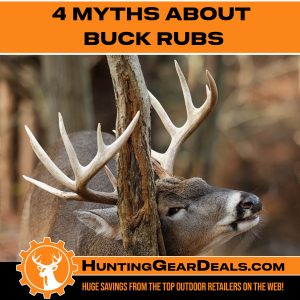
The easiest way to find out where a buck is living during the early season is to follow a fresh rub line from a field edge or feeding area, back to the bedding area. Typically, rublines will indicate a direction of travel, so it makes it easier to distinguish how a buck is approaching an area. Walk all of the rub lines with your tracking feature turned on and you’ll get to know all of the best bedding locations on a property to help you for years to come, not just this season.

Community Scrapes
Community scrapes are ideal locations for taking inventory of the deer in your hunting area. They’re also a good place to kill a big buck as they’ll often seek out these locations around field edges and travel corridors all year long, not just around the whitetail rut.
Be on the lookout for fresh scrapes to pop up as bucks will get a sudden burst of testosterone when their velvet is shed. During this time you’ll see scrapes pop up and this time is often called the velvet rut. It’s a short time frame but if you’re paying attention you might be able to hang a stand on fresh scrapes and catch a buck that’s got his juicing flowing before the time right. Use his aggression against him.

Deer Scents and Attractants: Doe Estrous and Mock Scrapes
One of the biggest surprises I’ve had in the deer woods is when I was scouting a new area during the first week of bow season threw up a trail camera and activated one of the aerosol Tinks 69 cans for fun. In just a few hours there were three bucks in the area, lip-curling and acting a fool.
I had always been taught that if you used estrous scent too early, deer would know the difference and it would spook them. Well, try telling that to the bachelor group of bucks in front my camera that day. Nowadays, I make mock scrapes at all of the treestand locations with the help of RAW Frozen Scents!
Weather Trumps All
Regardless of the hunting tactic that you choose, keep in mind that a cold front trumps all during the early season. As temperatures often reach uncomfortable heights during the early season, a single cold front can put a buck in front of your treestand an hour before dark.
It’s important to pay attention to 20-degree temperature drops and high-pressure systems during this time of the year just like you would during the late season. Don’t be afraid to take a day off that you would normally use to hunt the whitetail rut. Imagine being able to predict when an unpressured buck is going to be on his feet during daylight hours. Well, that’s exactly what’s going to happen, you just have to be there when it does!
Summary
Successful early season bowhunting during the first couple weeks of September requires a sense of urgency. To put yourself within range of one of those bucks you watched in the late summer, you must devote a lot of energy and time to information gathering, then strike as soon as the opportunity presents itself. Things are in a state of flux and the consistency that gave you confidence earlier is falling apart by the day. Waiting just one day may one day too many.
Hunting Gear Deals is funded by affiliate commissions. We may receive a small commission when you buy from our partners using the links provided. There is no additional cost to you. Thanks for supporting us by using our links when making your purchases.