White-tailed deer vocalizations come in a wide variety of sounds and pitches that you’ll only hear by spending time in the whitetail woods during the peak of breeding seasons. At the right time, you can mimic these sounds to bring a buck into range, helping you fill more tags during the rut.

5 Deer Vocalizations Every Whitetail Hunter Should Know How to Replicate

Standard Grunts or Contact Grunts
A contact grunt is a short buck grunt that is just loud enough to get the attention of a buck you can actually see. These aren’t designed for blind calling and pulling in bucks from the middle of nowhere. These grunts are soft and subtle, just like the majority of the grunting that you’ve heard in years past during your own hunting adventures. The majority of grunt calls on the market today and suitable for this style of calling but the key to mastering this deer vocalization is not being too loud.
When to use a contact grunt? The contact grunt is the least threatening buck grunt on this list, which makes it a great option for all deer hunters to master and can be used throughout the season, not just during the rut. If you see a buck cruising out of range but you don’t think he’s going to give you a shot opportunity, then throw a few contact grunts at him and watch what happens. Don’t panic if he doesn’t come in right away as a buck tends to circle downwind to investigate.
Tending Grunts
The next step in calling whitetail bucks into range is the tending grunt. Understanding the time of the year for utilizing the tending grunt is crucial, but keep it simple and only use it during the whitetail rut. You need to understand the psychology behind the tending before you can successfully and effectively use it to lure a buck into range.
Bucks let out long, frequent vocalizations while chasing does, which we call the Tending Grunt. Some bucks will grunt with every step and others will grunt several seconds apart. However, these grunts are often associated with running and chasing, even rubbing and scraping sounds as bucks show their aggression during the breeding process.
Don’t get too loud or grunt too loud while trying to mimic a tending grunt. Many hunters make the mistake of drawing out their grunts too long and too loud. Slow it down and keep it soft, similar to the Contact Grunt, but it’s a little deeper and longer. If you can add in some realistic sounds, such as leaves rustling or sticks breaking to set the scene, even better.

The Buck Roar
The newest deer vocalization to take the hunting industry by storm is the Buck Roar, or the buck growl. The buck roar is a distinctive grunt most hunters will never hear in the whitetail woods as not all bucks will make this sound. It’s an uncommon vocalization that is unmistakable in the whitetail woods. The buck roar is an aggressive sound and that only mature bucks make.
Years ago, Primos introduced the Buck Roar which was designed to imitate this mature, aggressive grunt that most traditional grunt tubes couldn’t produce. For me, it’s a last-ditch effort call, but on windy days, it’s your only option as your sound will not carry throughout the woods as well.

Doe Bleats
The most common deer vocalization on this list is the doe bleat. These sounds are heard throughout the year, as does are more vocal, keeping tabs on their fawns throughout summer allows hunters to hear these sounds much more often than buck grunts.
Most grunt tubes can imitate the sound of a doe bleat, but only as an afterthought. The easiest way to mimic a doe bleat is to use a can call. Primos came out with the doe bleat cans a long time ago and they’re extremely easy to utilize by simply flipping the can over. This is the easiest and most common deer vocalization to mimic. What is a doe saying with a doe bleat? Does use the bleat when they’re in heat and when they’re in trouble.
The Doe Bleat will lure in bucks and is often used during blind calling sequences but it’s not a very loud call, so a buck would have to be relatively close to you when you make the call. Doe bedding areas are great places to use the call, as bucks will be wearier in open timber and open fields when they cannot see the doe that they think is making the noise.
Rattle…Rattle…Rattle
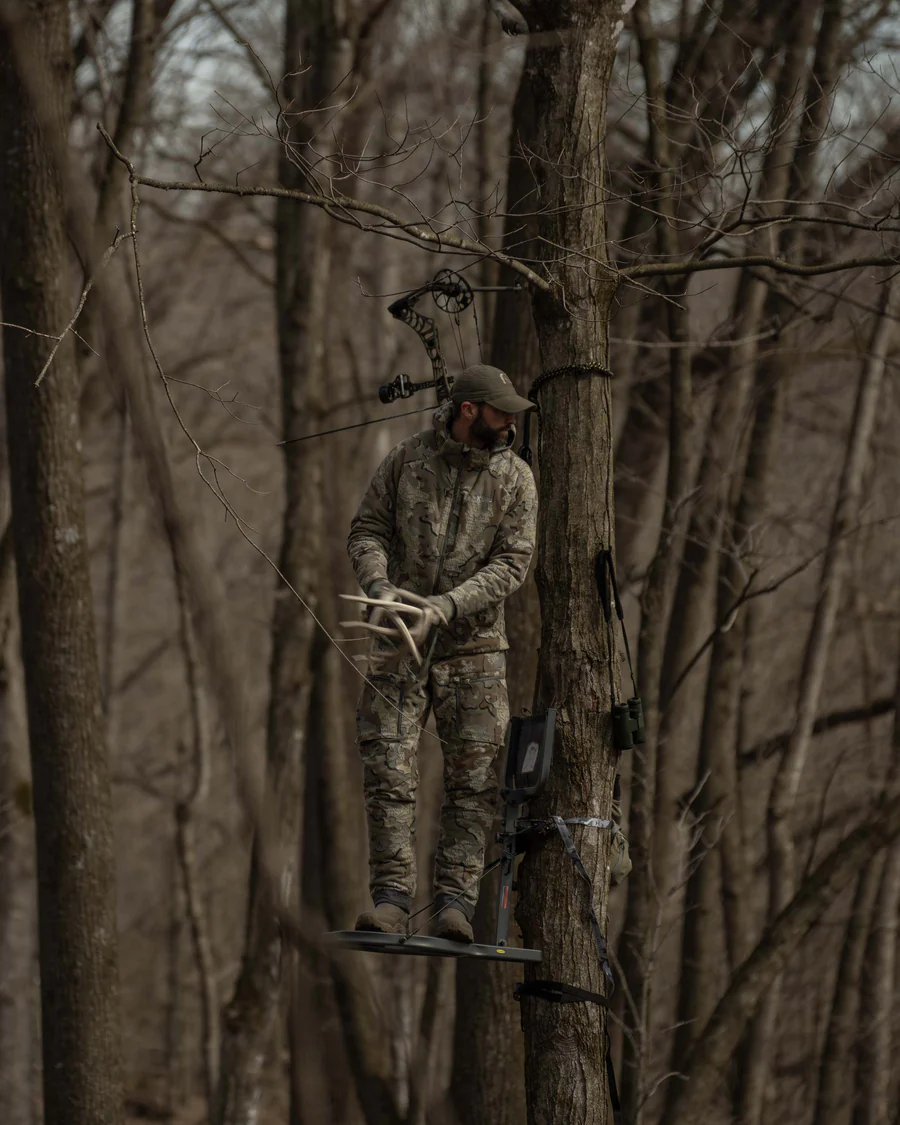
Most hunters have limited success when rattling, myself included. To be successful when rattling, you have to have a strong enough population of bucks in the area to ensure there’s competition for breeding. If the buck-to-doe ratio is skewed, there’s less competition between bucks for breeding. You can have plenty of bucks, but if there aren’t any mature bucks in the area, it makes it even harder.
Most of the successful rattling sequences that you see on hunting shows come from target-rich environments, such as Texas, Iowa, or Illinois. When it comes to rattling, I’m not beating antlers together like baseball bats in Ohio and West Virginia, I prefer to tickle the antlers together and combine it with some other deer vocalizations. My first sequence is soft and slow and I gradually increase the sound and length of my rattling sequences.
This is the most aggressive form of calling and it works when the time is right. I prefer natural antlers but there are some great options for hunters that don’t want to pack around big, bulk natural antlers.
Learning this deer vocalizations and implementing them into your hunting arsenal. There’s an art to calling bucks into range and it takes practice. The best turkey callers I know, practice all the time, not just the week before turkey season begins. The same can be said during deer season. Learning when and how to use the which deer call will help you be more successful this season.
Hunting Gear Deals is funded by affiliate commissions. We may receive a small commission when you buy from our partners using the links provided. There is no additional cost to you. Thanks for supporting us by using our links when making your purchases.