Gaining hunting access has become one of the biggest challenges for whitetail hunters in North America. Leasing, posting, and urban sprawl have locked up millions of acres once freely hunted. Thankfully, Walk-In Hunting Access programs now give hunters new opportunities to chase deer on private land—often for free. We are blessed to have access to public lands, including state and federal lands. However, the hidden gem are often privately owned that offer walk-in access to hunters.
The Decline of Freely Available Hunting Land
Growing up in West Virginia, I had access to more hunting ground than I could cover. Large, privately owned timber and coal company properties were open to the public. The terrain was rugged and bucks were plentiful! Times have changed, and those same areas are leased to small groups or closed to hunting due to liability issues.
Today, finding free hunting access without family land or deep pockets is tough. Knocking on doors can be intimidating, especially when you’re from out of state. This shift makes public access programs more important than ever.
What Is Walk-In Hunting Access?
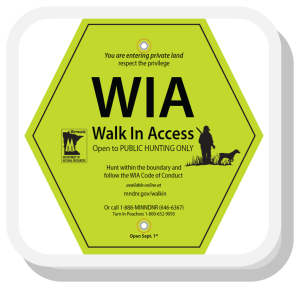
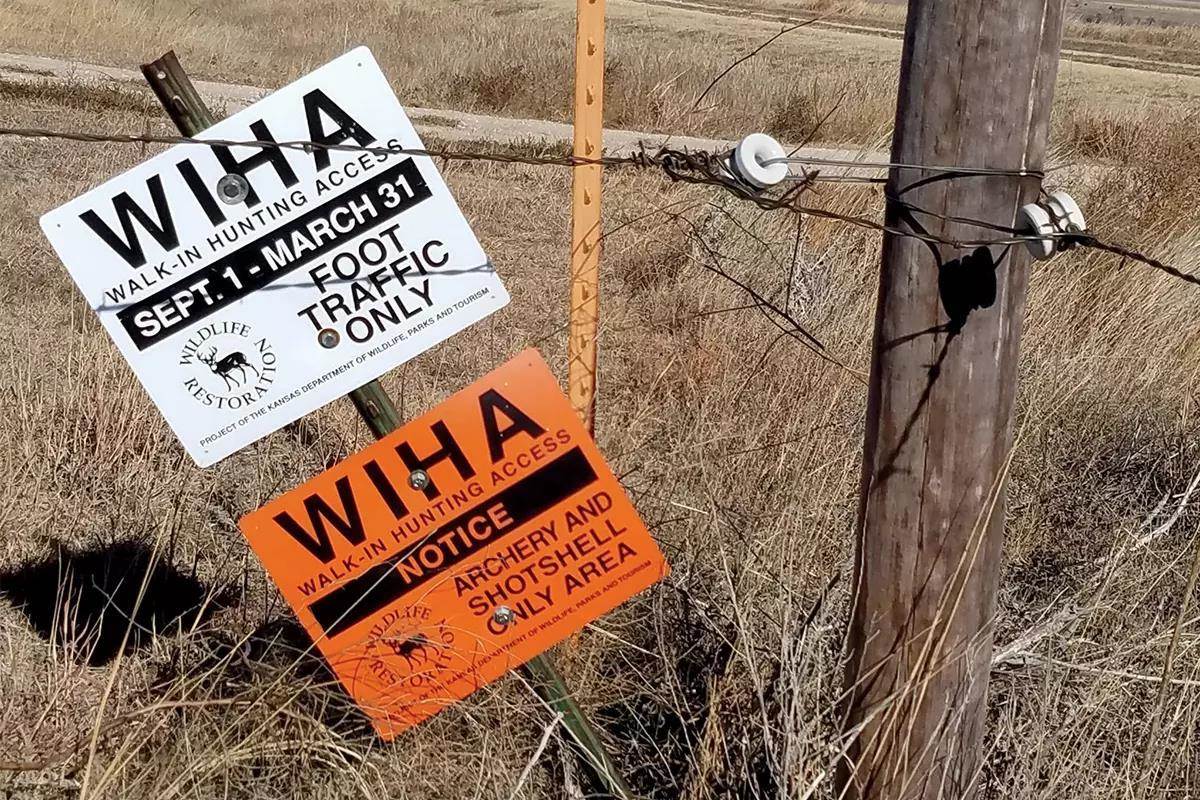
Walk-In Access programs (WIHA, PLOTS, PLPW, etc.) pay landowners to open private land to public hunting. Administered by state wildlife agencies, these programs provide hunters with legal, map-guided access to private ground. Similar to public land, hunters must be observant of rules and regulations for each property they encounter, and signs are often posted at designated walk-in locations. Most programs focus on bird hunting, but many hold excellent deer habitat with minimal pressure.
Key Features of Walk-In Access Programs:
-
Free or low-cost access to private land
-
Foot traffic only usually (no motorized vehicles)
-
Specific seasons and game species allowed
Best States with Walk-In Hunting Programs for Deer Hunters
Walk-in access will change from year to year, so make sure you do your homework. Government incentives and land ownership change regularly. I’ve seen properties pulled from the program during hunting season, making it even tougher to stay up-to-date with accessible locations. Utilize the following information as a guide to point you in the right direction, not law. Here’s a regional breakdown of states offering walk-in deer hunting access:
Midwest:
-
Kansas (WIHA) – Great for whitetail and upland birds.
-
North Dakota (PLOTS) – Excellent for both whitetail and mule deer.
-
South Dakota (WIA) – Some parcels provide whitetail access.
-
Nebraska (Open Fields and Waters) – Both deer and turkey opportunities.
Northeast:
-
New York (Access Program)
-
Pennsylvania (Hunter Access Program)
-
Vermont, New Hampshire, and Maine – Growing voluntary access programs.
West:
-
Montana (Block Management Program) – Massive tracts of deer country.
-
Wyoming (PLPW) – Great for antelope and deer.
-
Colorado (Big Game Access Program – BGAP) – Mostly Eastern Plains whitetails.
South:
-
Texas (Public Hunting Lands) – Includes leased private tracts.
-
Georgia (Voluntary Public Access – VPA) – Newly funded with federal grants.
-
Louisiana (Private Lands Access Program) – Limited but growing.
Tip: Always check each state’s wildlife agency website for current maps and access rules.
How to Scout Walk-In Access Lands for Whitetail Deer
Finding deer on walk-in lands takes planning and scouting. Treat it just like you would a pressured piece of public land, and you’ll find tons of information on hunting pressured whitetails here on HuntingGearDeals.com. Here are proven strategies:
-
Use Online Mapping Tools: OnX Hunt, HuntStand, and state wildlife websites often overlay walk-in properties on aerial maps.
-
Focus on Habitat Diversity: Look for edge cover, creek bottoms, agriculture, and pinch points.
-
Go Deep: Most hunters won’t walk more than 300-500 yards. Get a mile back if you can.
-
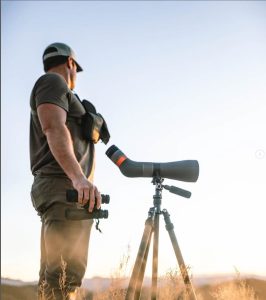
Glass from Afar: Spend evenings glassing fields or openings with Maven Optics.
-
Use Trail Cameras Wisely: If allowed, trail cameras such as Spartan Cameras help inventory bucks without over-scouting.v
Gear Tips for Walk-In Deer Hunts
Because walk-in properties prohibit vehicle access, lightweight gear is essential. When I’m traversing a property for the first time, I keep my gear load to a minimum.
Recommended Gear for Walk-In Hunts:
- Mobile Tree Stands: Saddle hunting setups or lightweight hang-on
- Quality Optics: The most important aspect of the hunt is binoculars and a rangefinder.
- Lightweight Packs: Bring water, snacks, extra layers, and safety gear.
- Mapping Apps: Download offline maps to avoid losing GPS signal. I can’t stress this enough!!!
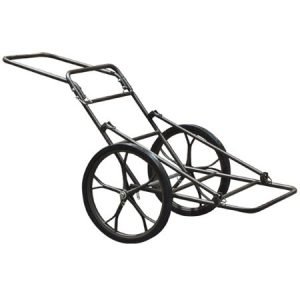
- Deer Dragging Tools: Two-wheeled game carts or heavy-duty sleds. It’s all fun and games until you have to drag a 200 pound bruiser a mile back to the truck
Why Landowners Enroll in Access Programs
The biggest question is, why would a landowner allow strangers to hunt their land for free? For landowners, walk-in programs offer compensation and help with deer management. Remember, not everyone owns land to manage for big bucks. Deer are competition for quality food sources, so cattle ranchers may want to reduce the impact that wildlife is having on the landscape. Leasing a property to a small group of hunters may hurt their property management goals by attracting more deer and hunters managing a property for better deer hunting. Not everyone loves deer! In fact, many farmers hate deer as they can be detrimental to their livelihood.
Benefits for Landowners:
-
Reduce crop damage from overpopulated deer.
-
Control hunter numbers through state-regulated access.
-
Promote responsible public land use.
-
Build positive relationships with the hunting community.
Hunter Recruitment, Conservation, and the Bigger Picture
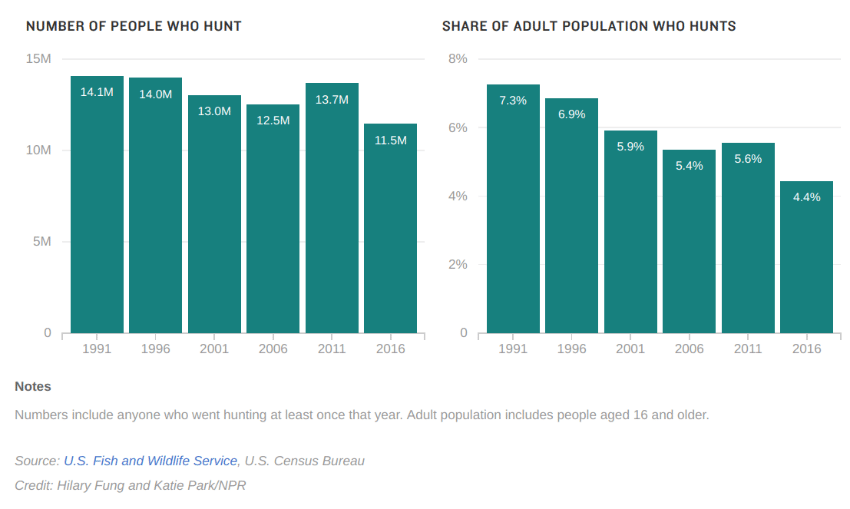
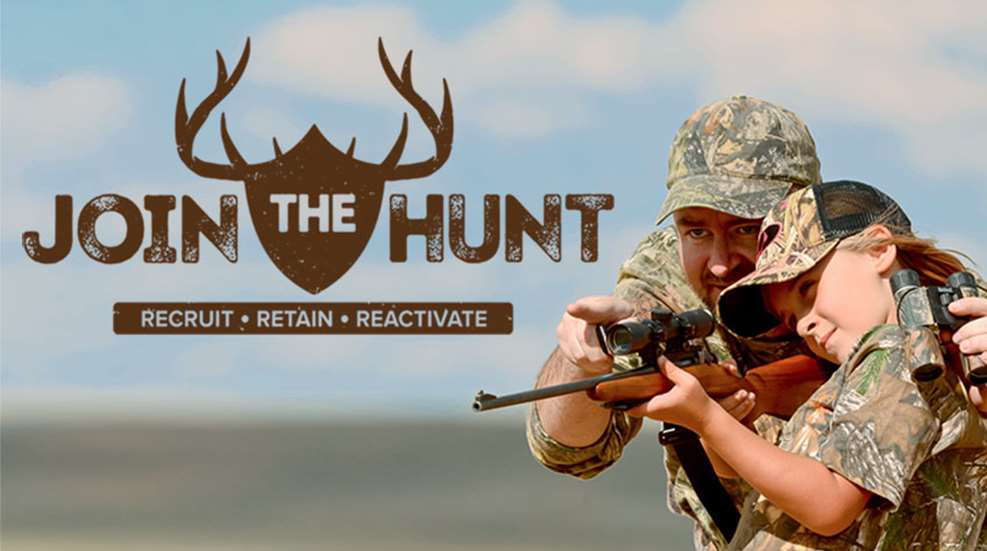
These programs aren’t just about hunting access—they’re about keeping hunting alive. With hunter numbers declining nationwide, programs like WIHA and PLOTS are critical to the future of whitetail deer hunting. Hunter access keeps participation rates up, funds conservation programs, and maintains the North American Model of Wildlife Conservation.
Without access, fewer people hunt. And without hunters, we lose our voice in wildlife policy. We look at hunting as a God given right, but the truth is, we are only one generation away from losing the ability to hunt. It’s up to you to instill the love, passion, and respect for wildlife.
Walk-in Access for Hunters by State
Final Thoughts: Be a Good Ambassador
Walk-in access programs are a privilege, not a right. Be courteous, pick up trash, follow all rules, and set a good example for other hunters. One bad experience can ruin it for everyone. The number one complaint landowners have is people driving through their fields, damaging crops and soil. Also, make sure you leave the property better than you found it! Pick up water bottles and trash as you head back to the truck each day. Most importantly, if you run into one of the local landowners that’s allowing hunters to access their land, be sure to tell them thanks!
Hunting Gear Deals is funded by affiliate commissions. We may receive a small commission when you buy from our partners using the links provided. There is no additional cost to you. Thanks for supporting us by using our links when making your purchases.