Have you ever found yourself in the mountains chasing elk only for them to suddenly smell you and run away? Even when the wind has been in your favor all day. Maybe you found yourself settling in for the evening hunt and at last light, and approaching deer snorts and bounds away, even though you’ve seen multiple deer pass through that location during the hunt? Chances are, the rise or fall of thermals gave you away!
How Do Thermals Affect Deer Hunting?
Thermals are a result of the Earth’s surface heating unevenly across elevation changes, which causes the air to rise and fall. When deer hunting, choosing the correct stand location for evening and morning hunts might differ because of the role that thermals play in the mountains. Thermals are important because they often create a sudden change in the movement of scent particles, so a deer could have crossed a trail one minute without being able to smell you but shortly after, a trailing deer might pick up on your scent due to the change of the air movement created by thermals. Here are a few ways that deer hunters are affected by thermals.
Scent Management:
For deer hunters, scent management is paramount. You’re either a diehard scent control guy or you’re a play-the-wind kind of deer hunter. The problem is, thermals can drastically change throughout the day, making it difficult to simply “play the wind”. When hunting in the morning, cool air moves downhill, carrying your scent with it, so be sure to keep that in mind when spot and stalk hunting as well as choosing the appropriate tree stand location.
Wind Directions:
Deer hunters need to pay careful attention to wind directions, which of course influences how scents travel. Always position yourself downwind of your intended target, allowing thermals to carry your scent away from their sensitive noses. This strategic positioning minimizes the risk of alerting deer to your presence. Thermals are most noticeable when there is little to no wind. For me, when I’m in a treestand and the sunsets, I often feel a sudden change of wind direction and this is attributed to thermals. I can’t tell you how many times I’ve been winded because of this during evening hunts in the mountains of southern West Virginia. Whether perched in a tree stand or stalking through the woods, keeping the prevailing wind at your back is essential. Windy days, especially in hilly areas, call for extra vigilance, for they can carry your scent in the opposite direction.
Terrain Influence:
Different terrain features can create unique thermal features and thermal movements. Understanding how hills, valleys, and ridges affect air currents can help deer hunters anticipate where their scent will travel and make informed decisions about their hunting spots. It’s a good idea to carry a wind indicator or milkweed seeds to test out the wind direction from potential hunting spots during various times of the day. A sudden change in weather conditions or temperature change can drastically affect your success at your favorite stand site. Did you like the featured image? If so, check out OnX Hunt for all of your e-scouting needs!
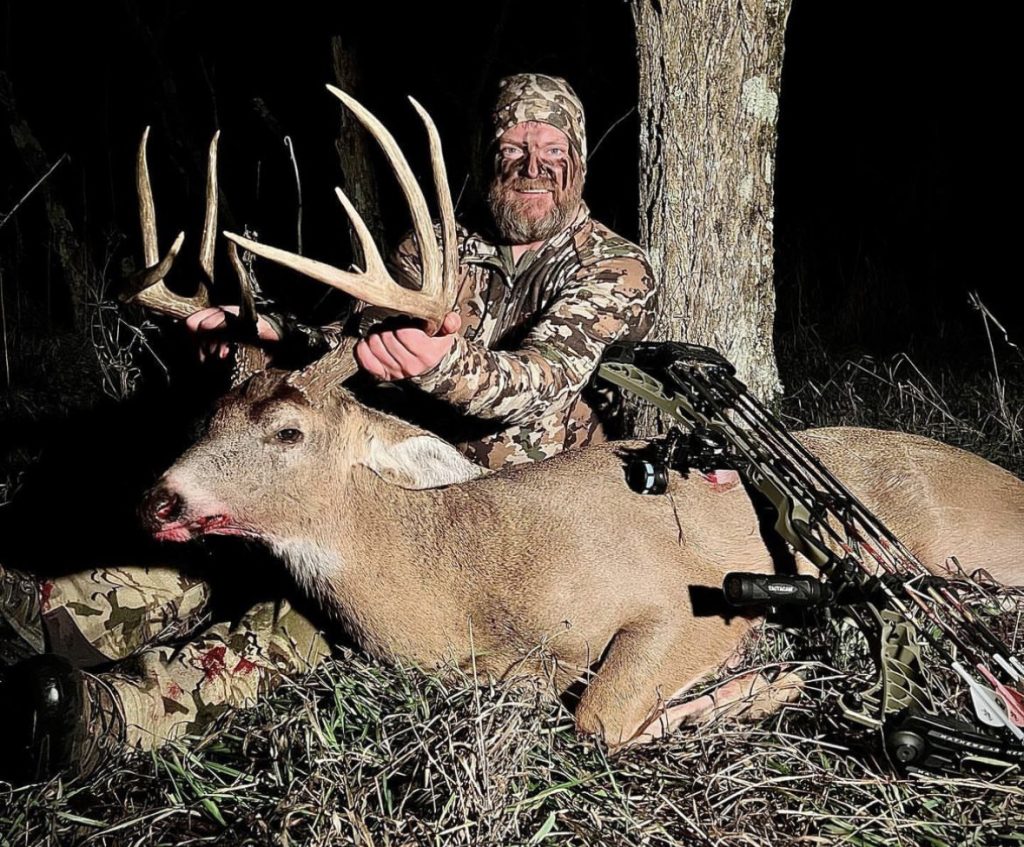
Photo: Josh Ilderton – The Untamed
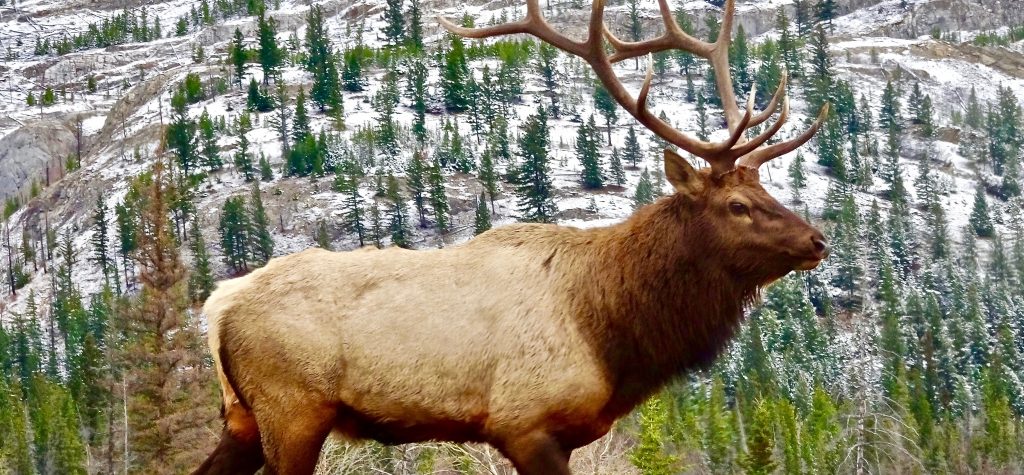
How Do Thermals Affect Elk Hunting?
Elk hunting presents its own set of challenges, and understanding thermals is equally crucial in this pursuit. As much as whitetail hunters think we know about thermals, it’s the elk hunters that have to deal with it the most on every hunt. Hiking up the mountain in the morning allows elk to smell you from above while hiking down the mountain in the evening will allow boggling elk in the meadow below you to smell you as well. Traversing the rugged mountains of the west is no easy task when trying to keep. yourself undetected.
Midday Advantage:
Unlike deer, elk are more active during midday, making thermal understanding even more vital. As temperatures rise, thermals shift, carrying your scent uphill. This can work in your favor if you position yourself uphill from the elk’s potential bedding areas. If you strike a bugling bull up that’s at a higher elevation than you in the morning, it’s often best to retreat backward and around the mountain to get above the bull to avoid getting smelled.
Terrain Awareness:
Elk hunters must be adept at terrain awareness, as elk tend to move between various elevations throughout the day as temperatures change. By positioning yourself strategically based on the prevailing thermals, you increase your chances of intercepting elk during their uphill or downhill movement. If you can start high in the morning, you’re better off.
Thermals and Rutting Behavior:
During the rut, bull elk’s behavior becomes more unpredictable. Knowledge of thermals is crucial during this time, as scent-carrying winds can expose your location to a mature bull. By understanding thermals, you can position yourself to approach from downwind or intercept their movements. If you’re calling to a bull elk, he’s going to try and get your wind by circling downwind of you and thermals can play a key role in this scenario. The prevailing wind might be minimal, but the change in temperatures will make an effect on how your scent travels.
Tips for Hunting Deer and Elk and Using Thermals to Your Advantage
Wind Indicators:
Both deer and elk hunters should carry wind indicators like powder or scent-detection devices to constantly monitor wind direction and thermal shifts. Many hunters, especially mobile hunters utilize milkweed to show wind direction and patterns. For me, milkweed is the best thing to use to showcase wind direction and thermal currents. If you can’t find it, chances are someone in the hunting community will ship you some if you’re in the right FaceBooke groups. This real-time data can guide your positioning and movement decisions. I can’t tell you how many hunts have been ruined because the weatherman said we were going ot have a south wind, only for it be the complete opposite once I got to the woods.
Preparation is the Key to Success
Before your next hunting adventure, dive deep into the hunt area with the use of mobile hunting applications such as OnX. Spend time in the app and utilize the incorporate features to help you predict when and where thermals will play a key role in the hunt. Plan your travel routes and go hunt!
Optimal Hunt Timing:
For both types of hunting, being aware of the timing of thermal shifts is crucial. Understanding when thermals change direction due to temperature fluctuations helps you plan your approach and movement accordingly. Sunrise unveils the morning thermals, while late afternoon and evenings cause a sudden change in air movements. Adjust your approach to align with these shifts. As the sun bows, evening thermals come alive, signaling the time for the evening hunt.
Elevated Positions:
Whether hunting deer or elk, positioning yourself on elevated terrain can offer several advantages. Elevated positions can allow your scent to be carried away more effectively and provide a broader view of the surrounding area. A good rule of thumb is to position yourself on the uphill side of expected deer and travel routes in the morning and the opposite in the evening. Keep in mind, warmer air rises, and cool air sinks downhill. On hilly terrain, river bottoms, or amidst tree stands, keep a close eye on weather patterns and prevailing wind currents as this will also play a key role in your set-up location.
Bedding Areas:
Keep in mind that you’ll often find animals in thick bedding areas during the day in unexpected areas such as the side of a mountain where predominate wind currents and the prevailing wind direction can be utilized to give them the upper hand.

Photo: Professional Archer – Chase Herndon



Frequent Questions Hunters Ask About Thermals
-
What are thermals and how do they work?
- Thermals are the result of temperature differences in the air. As the sun heats the Earth’s surface unevenly, warm air near the ground rises while cooler air sinks. This movement creates air currents known as thermals. Understanding how warm air rises and cool air sinks is essential because it dictates the direction in which your scent will travel and how animals will react to it.
-
How do thermals influence deer/elk movement?
- Thermals significantly influence animal movement, especially during transitional periods of the day. Animals tend to move uphill in the morning as warm air rises, and they may move downhill in the evening as cooler air sinks. This movement pattern can help you predict where deer and elk are likely to be and adjust your hunting strategy accordingly.
-
When and where are thermals most active during the day?
- Thermals are most pronounced during mid-morning and late afternoon as the sun’s heat reaches its peak. Hill country and areas with varying terrain create distinct thermal channels, with air currents flowing along valleys and ridges. Understanding these patterns can help you decide when and where to hunt.
-
What are morning and evening thermals, and how do they differ?
- Morning thermals are characterized by the rising of warm air as the sun heats the landscape, while evening thermals involve cooler air sinking as the day cools down. These thermal shifts influence the direction of scent movement, guiding you to position yourself in a way that takes advantage of these currents.
-
How can I use thermals to position my tree stand or blind effectively?
- To effectively position your tree stand or blind, consider the prevailing wind direction and use thermals to your advantage. Place yourself uphill or crosswind from where you expect animals to be. This way, thermals will carry your scent away from their likely movement paths.
-
Do weather conditions affect thermal activity?
- Yes, weather conditions play a role in thermal behavior. Wind can disrupt thermal patterns, especially on windy days when thermals might be less predictable. Cloud cover can also impact thermal shifts, as clouds can block the sun’s heating effect, altering the timing and intensity of thermal activity.
-
What’s the best way to use thermals for stalking or still-hunting?
- When stalking or still-hunting, use thermals to your advantage by moving with the wind in your face. This way, your scent will be carried away from the animals you’re pursuing. Pay attention to wind and thermal patterns to avoid inadvertently giving away your presence.
-
How do thermals impact scent dispersal?
- Thermals dictate the movement of scent particles. Warm air rising can carry your scent upward, while cool air sinking can cause your scent to settle in lower areas. Understanding this helps you plan your approach to ensure that your scent doesn’t alert animals to your presence.
-
Can I predict thermal activity in specific terrains, like hilly areas or river bottoms?
- Yes, different terrains create specific thermal patterns. In hilly areas, thermals often flow up valleys and along ridges. River bottoms can have unique thermal dynamics due to the interaction between water and air temperature. Understanding these patterns helps you anticipate how thermals will behave in different settings.
-
Are thermals more influential during certain times of the year, such as the rut?
- Thermals are consistent year-round, but during specific times like the rut, animal behavior can change, affecting their interactions with thermals. Understanding these behavioral changes and their alignment with thermal patterns can help you position yourself for a successful hunt.
-
What are the key signs to watch for that indicate thermal activity?
- Watch for the movement of vegetation or smoke, both of which can indicate the direction of thermal currents. Also, observe how animals are positioned in relation to terrain features to gather clues about thermal behavior.
-
How can I adjust my hunting tactics on windy days, when thermals may be less predictable?
- On windy days, thermals can be less predictable, making wind direction even more crucial. Position yourself based on the wind’s direction, but also be prepared for shifts caused by gusts and the interaction between wind and terrain.
-
Are there specific tools or techniques I can use to monitor thermal shifts?
- Wind indicators, such as fine powders or scent-detection devices, can help you visualize the direction of wind and thermal shifts. Some hunting apps also provide real-time wind direction data to aid your decision-making.
-
What are the best practices for positioning myself in relation to thermals during morning and evening hunts?
- For morning hunts, position yourself uphill or crosswind from where you expect animals to be, allowing thermals to carry your scent away. During evening hunts, consider being downhill from your target area to avoid having your scent rise and alert animals.
-
How do thermals interact with different types of terrain features, such as ridges or valleys?
- Ridges and valleys create specific channels for thermal movement. Warm air rises along ridges and moves along valleys. Use this knowledge to anticipate where your scent will travel and position yourself accordingly.
Interested in featuring Hunting Gear Deals on your podcast? If so, send me an email camron.huntinggeardeals@gmail.com
Hunting Gear Deals is funded by affiliate commissions. We may receive a small commission when you buy from our partners using the links provided. There is no additional cost to you. Thanks for supporting us by using our links when making your purchases.
AUTHOR BIO
I grew up hunting at a young age, but I just never paid attention. Most of my early days I was hunting just to go, or as an excuse to get out of school. I picked up a bow in 2020 and from that point on have been teaching myself how to actually hunt. Basically starting from ground zero. I am taking this journey to show that not everything is perfect. Sometimes stupid stuff happens (more times than not) and I will be here to tell the story.