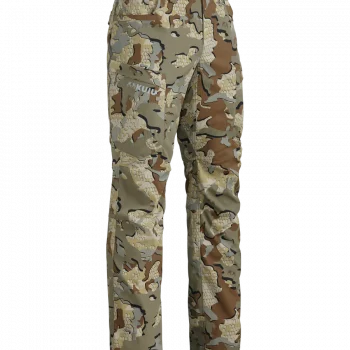
Hunting in warm weather conditions can be miserable without the right apparel. There are several great options for warm weather-hunting conditions and we are going to explore some of the best options on the market today. First, we must define warm weather-hunting conditions. We all define warm weather differently but establishing a baseline of temperatures will help us pick out the right gear for the hunt. For this article, warm weather conditions are going to be above 70 degrees Fahrenheit. Now, you might live in the south and think that 70 degrees is a blessing, but for the purpose of this article, anything above 70 degrees Fahrenheit is what we are focusing on.
Understanding the Basics of Warm Weather Hunting
Early-season hunts often produce temperatures well above 70 degrees throughout the country. Whether you’re chasing pronghorn across the flatlands or stalking mule deer in the canyons, warm weather hunting has its challenges. This article will help you pick out the perfect clothing options for your next warm-weather hunting trip. Hunting clothing has evolved through the years and we’ve developed specialized materials that keep us cool and dry in the hot conditions of the early season. There are several great options on the market for warm-weather hunting but we will focus on Sitka, KUIU, and First Lite. Learn how to How to Protect Yourself from Ticks in the Outdoors
Choosing the Correct Hunting Clothes for Warm Weather Hunting
Unlike cold weather hunting, the need for dressing is layers isn’t necessary. It’s likely that you’ll be wanting to take what little clothes you are wearing off on the hike to your hunting area. Many of the warm-weather clothing options can be utilized as a base layer when temperatures begin to drop, so keep that in mind when shopping for warm-weather hunting clothes.
Your upper layer should be lightweight, breathable, and moisture-wicking. Many would refer to the warm season outer layer as their base layer during other parts of the season. For this section, we are going to refer to the top as a base layer but you’re most likely not going to need anything more than this layer in high temps. There are two main types of base layers that you need to be familiar with, merino wool and synthetic base layers. Defining the best base layer is the best will depend on your budget and needs. Synthetic base layers have several different combinations that make them unique or proprietary to the brand. However, merino wool has a distinct advantage over a synthetic base layer that we will discuss. Merino wool wicks away moisture from the skin better than synthetic materials and it doesn’t stink nearly as bad as synthetic fibers. Moisture wicking is a key ingredient in fighting the cold.
Synthetic materials have their advantages in some areas. For instance, some (not all) synthetic material is stretchier and more durable than merino wool. You’ll also find that merino wool costs a little bit more than most synthetic fibers. I find myself wearing synthetic materials more than merino wool in the cold but moisture management has been a thorn in my side. Both synthetic and merino wool makes a good option in warm weather but merino wool seems to be more popular among active hunters because it doesn’t stink as bad as synthetic fibers.
Below are a few great options to choose from for warm-weather hunts. Keep in mind that you might be able to utilize these clothes for more than just deer hunting. For me, I’m deer hunting and turkey hunting in the same clothes most of the time, so I chose a camo pattern that blends in with greener foilage better.


Choosing the Correct Mid-Layers for Warm Weather Hunting
The biggest question is do you need more than one layer during warm weather hunts? Maybe so, temperatures do not stay consistent throughout the day. You might be hunting in an area where temperatures drastically increase throughout the day. If that’s the case, you’ll need to plan accordingly and dress in layers so that you can take clothes off as the temps increase. For the sake of this article, we are going to stay consistent with the temperature and skip the need for a mid-layer.
Choosing the Correct Outer Layers for Warm Weather Hunting
Is there a need for an outer layer when temperatures increase? Probably not, but in the event of a rain event or an expected drop in temperatures during the last hour of daylight, then you might want to consider throwing an outer layer in your pack. Hunting after a rain event in the early season can be dynamite, so be sure to keep a good set of lightweight rain gear handy.
You might also need an outer layer during the ATV ride home. Many of the areas that I hunt require long trips on an ATV to reach the good spots and nightfall can be chilly, even during warmer temperatures. For this instance, you don’t need fancy camofluage. However, a good hoodie is nice to have on the ride home.
Choosing the Correct Accessories for Warm Weather Hunting
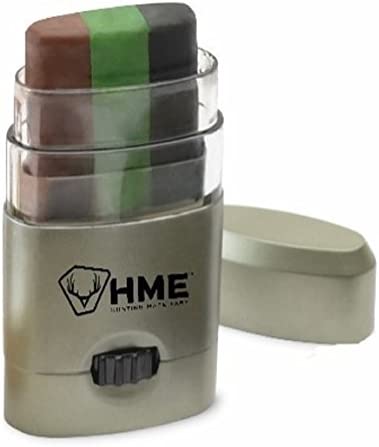
The best warm-weather hunting gear that money can buy is great, but there are a few accessories that might come in handy for warm-weather hunts. Covering up the face is important to stay concealed. Some hunters like face paint while others utilize a lightweight facemask. Some tops even come with a built-in facemask that’s designed to keep you cool and concealed during the hunt.
Gloves are often overlooked as it’s easy to not feel like they’re needed. Leaving your hands unconcealed comes at a risk, but I only wear gloves in warm temperatures when turkey hunting.
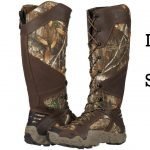
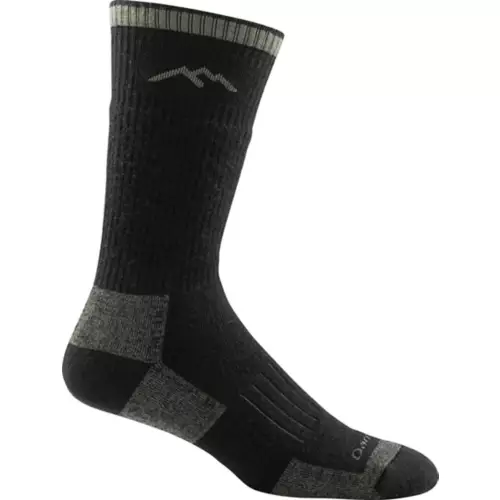
Footwear is the most important accessory to remember in warm weather. Finding an early-season boot that’s not too hot can be difficult, especially rubber boots. Remember, the more your feet sweat, the more you’re going to stink. I wear my uninsulated Irish Setter VaprTrek boots during the warm hunts and only break up rubber boots when I need to cross a creek on my hike to the stand or if the grass is soaked after a rain event. Don’t forget to pick up a pair of lightweight merino wool socks also.

Warm Weather Hunting Tips
Scent control is a must for me during hunting season but it’s even more important when temperatures rise. I have a very detailed scent control regimen detailed in the blog post titled 11 Steps to Improve Your Deer Hunting Success with Proper Scent Control. This scent control regimens combine odor-reducing products from Elimishield Hunt and Ozonics. The kicker for scent control is “hunting the wind.” That sounds great, but I can never seem to find a consistent wind. It’s constantly changing and swirling the Appalachian Mountains. I strongly recommend to all hunters practice good scent control techniques to increase their chances of success in the whitetail woods.
Don’t forget your Thermacell! Mosquitoes can ruin an early-season hunt just about as quickly as forgetting your quiver at home. Carry a Thermacell with you during warm weather hunts, along with an extra butane cartridge and pads. Another important item to bring along is Water! Never embark outdoors when it’s hot without some extra H20! I take at least one full bottle to the treestand with me and often take two. I’ll also throw a cooler on the ATV or in the truck because I know I’ll need it if I’m out late dragging a deer out of the woods.
Did you know that opening day is often the best time of the year to kill a big buck? Early season patterns are ideal for putting a big buck on the ground. I researched mature buck kills in my home state of WV for years and determined that the opening day of archery season produced just as many mature bucks as any day during the peak of the rut in November. In states where baiting is legal, it’s a great way to put a big buck on the ground early.
When is the best time to hunt during warm weather?
Warm weather hunts may reduce daytime movement but deer still need two things, regardless of temperature. Food and water. Deer movement during shooting light is going to be reduced in hot temperatures and your best chance of catching a deer on its feet is at dawn and dusk.
Hunting in the morning can be tough as deer are often congregated near food sources, such as food plots or bait fields, and return toward bedding areas very quickly. Glassing from a distance can be a much better use of your time than climbing into your favorite treestand before daylight. Morning hunts are possible, but it’s not going to be easy over food. Instead, find a travel route from food to bedding and provide yourself ample space to exit the area without bumping deer. Deer are not likely to travel far distances during the heat, so be cautious with hunting in the morning. In fact, I rarely ever hunt in the mornings prior to October 20th.
You’re more likely to find success during warm weather hunts by hunting in the evening. Early-season evening hunts often take place over food, whether it be food plots that you’ve manicured all summer or a bait pile (where legal) that you’ve been dumping money into for weeks in preparation for opening day. Timing a “cold front” during the early season might be difficult, as most cold fronts are simple mid-day rain events. In the event that the temperatures drop ten degrees from the average temperature during that time period, take advantage of it. You might experience temperatures in the low 90’s all week long but a simple 10-degree dip in temperature might have deer on their feet earlier one evening.
Understanding food equals water! Deer, like many animals, get a lot of their water intake from the plants they consume. Foods that hold moisture well are more likely to attract and hold more deer activity in hot weather than those that do not. If you are planning a food plot, consider big leafy plants.
What to do after you kill a deer when it’s hot outside?
Hopefully, you find yourself sitting behind a game animal of your choice during the early season but you’ll have to act quickly as this time of year is difficult in keeping venison and other game from spoiling. A well-placed arrow is a must in order to make haste of game recovery. You’re going to want to take a few quick photos and start field-dressing your animal as soon as possible. However, this isn’t where you should’ve started planning for this scenario. If you’re going into the field with high hopes that you’re going to kill, grab a large bag of ice or two on your way. Throw them in the cooler so you’ll have them at your disposal when the time comes.
Putting your freshly killed deer on ice is essential to reducing the temperature and slowing the growth of bacteria on the carcass. Many hunters will not only field dress the animal, but skin in it and break it down into quarters for quick and easy transport. Time is of the essence in this situation, so plan accordingly. Game bags can help!
Where is the best place to purchase KUIU or Sitka Gear?
High-quality gear doesn’t come cheap but Hunting Gear Deals does an excellent job in providing you links to discounted hunting items and sales, many of which include Sitka Gear and KUIU. The best time to buy KUIU camo is during one of their big sales events, which you can learn more about here.
If this is your first time on the website, do not forget to sign-up for the daily email that notifies you of the best deals on hunting gear from across the web. Typically, we find the best deals on Sitka Gear at the following online retailers:
Hunting Gear Deals is funded by affiliate commissions. We may receive a small commission when you buy from our partners using the links provided. There is no additional cost to you. Thanks for supporting us by using our links when making your purchases.