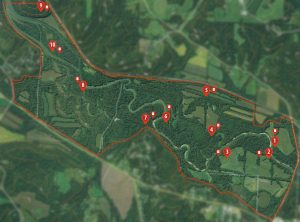
Scout From Anywhere with OnX Hunt:
Ask the Professionals for Advice
This is a great way to find out about the area from a factual perspective and not a snapshot perspective that other hunters see from their treestand. Utilizing statistical data to derive factual answers will help determine where your best chances of success are and these professionals will have access to that information. You could also send them an email, but a phone is much more personal. The guys from The Hunting Public use this method to ensure they’re following local state rules and regulations when planning for their upcoming hunts.
To help make the conversation go smoothly, you should have a list of questions written out ahead of time and let the conversation take you where it leads you. Ask basic questions about the deer population and hunting pressure in the area, as well as specific questions about crop rotations and food sources in the area. One of the most important questions that many hunters might ask is about the trophy potential for the public land in the area. It’s also a good thing to ask about EHD and CWD outbreaks in the area. CWD often comes with specialized hunting regulations in the area, while EHD poses a direct threat to the overall deer herd, drastically reducing deer numbers in affected areas.
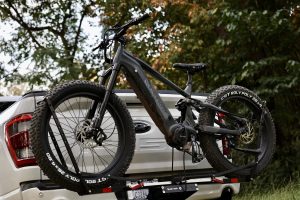
You should be asking questions about regulations for the property that you’re interested in, including ebike rules, the use of screw-in treesteps, atv use, and overnight camping. Even license information can be tricky from state to state. It’s a good idea to make calls early in the year as you start to plan your trip, as well as right before you plan on leaving for you hunting adventure.
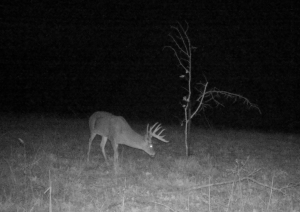
In-season scouting can be very beneficial, just make sure you bring along some trail cameras so that you can inventory of the deer in the area. You might find that the spots that look the best, are being hunted by other people, or that there aren’t deer in the area during this time of the year. Sometimes, eliminating areas that you’re interested in the biggest key to finding the right spot on public ground. If you’re going to hang trail cameras on public land, make sure it’s legal to do so first. Also, you’re going to want to make sure that you lock them good. Security boxes, padlocks, and Python locks will help keep an honest thief out, but keep in mind that it is public land.
How to Hunt Public Land: Plan Your Entry and Exit Routes
Utilize Trail Cameras Strategically
Choosing Locations for Trail Cameras on Public Land:
Place your trail cameras in high-traffic areas like trails, food plots, and water sources. My favorite place to set trail cameras are on active scrapes. If you can find a big community scrape, you’ll be amazed at how many bucks come through the area, mainly at night. Also, the more cameras you have at your disposal, the better. Just make sure you document where you put each one so you don’t forget where you put them.
Bedding areas and large rubs can be hit-or-miss with trail camera photos, but if you can find the right spot, this might yield high-quality photos of a big buck that you could put your tag on! I prefer cellular trail cameras in areas that I plan to hunt and traditional SD card cameras, or non-cellular trail cameras, on areas that I need to gather intel.
At the start of a public land hunt, or any out-of-state hunt for the most part, I throw a few cameras in my backpack so that I can deploy them at need when the opportunity presents itself. During the rut, I’m not afraid to check a trail camera regularly, especially on an out-of-state public land hunt. However, I usually don’t check a camera unless I’m walking by it to hunt that day. These cameras provide me the most data on hunting trip, just don’t forget to retrieve them before heading home.
Adapt to Hunting Pressure
Finding Less Pressured Areas:
Hopefully, you were smart enough to have a back-up plan. Putting all of your eggs in one basket is a recipe for disaster. Just like you should have a stand for different wind directions, you should also have a back-up hunting location for when other hunters pressure the area. Don’t forget about thermals, learn more about How Thermals Influence Hunting Success for Both Deer in this blog.
This is especially important during gun seasons. For instance, in Ohio, deer drives are very common during the gun season and you can find yourself covered up with an orange army on the first day and good luck convincing a group and 15 local hunters that you were there first and you should get to keep the spot to yourself.
Instead, use your mobile apps and trail cameras to identify areas that are less frequented by other hunters. If that doesn’t help drive around and look for vehicles parked near public land and go where no one else is. Deer will often move to these quieter areas to avoid disturbances, sometimes within eyesight of where hunters are. I recall a video from The Hunting Public where they watched a big buck watching a group of hunters doing a deer drive. Once the coast was clear, the migrated out of the area in a safe direction, only to be shot by Aaron.
Timing Your Hunts:
Consider hunting during off-peak times, such as weekdays or midday, when there are fewer hunters in the field. Deer often adjust their patterns to avoid peak hunting times, and you can take advantage of this behavior. There’s no busier time of the year than during the rut on most public land. So if you can find the opportunity to hunt public ground during the pre-rut or even during the late season, you might find yourself with hundreds of acres of hunting ground, all to yourself!