The Whitetail Rut is the most exciting time of the year for deer hunters across the nation. Each year, hunters spend countless hours in the woods, hoping for a chance encounter with a big buck. We plan our vacations around this magical time of year and devote our entire season to this special time of year.
Predicting when the best time to be in the whitetail woods is a highly debated topic within the industry. As much as hunters look forward to the rut, there are still a lot of questions that you might have and this article will help you answer those questions.
When does the whitetail rut start and end?
The timing of the whitetail rut can vary based on geographic location, local climate, and deer populations. In general, the whitetail rut in North America typically starts in late October and lasts through November. The initial whitetail rut usually spans several weeks in most areas. In some states, such as Florida, the rut varies drastically from one region to another. The rut starts as early as July and runs through February. Regardless of the state, the rut can still be broken down into three main phases:
1. Pre-Rut: The pre-rut phase occurs before the peak breeding activity. During this time, bucks start to become more active, establish dominance, and may make initial attempts to breed does. Pre-rut behavior often includes antler rubbing, scrapes, and a hunter’s favorite behavior…increased daylight activity.
2. Peak Rut: The peak rut is the period when the majority of does come into estrus (heat), and bucks are most actively seeking mates. This is the time when the rutting activity is most intense, and bucks may be observed actively chasing does. It’s not uncommon to see multiple bucks chasing a hot doe during this time. Peak Rut activity is what hunters dream of 365 days a year!
3. Post-Rut: After the peak rut, the breeding activity gradually subsides. Bucks may continue to search for remaining receptive does, but overall rutting activity decreases. Bucks may be more fatigued and focus on replenishing their energy reserves during this phase.
The timing of these rut phases can vary by region, but they generally occur in the following ranges:
Northern Regions: In northern regions with colder climates, the rut typically starts later, often in late October to early November, with the peak rut occurring in mid-November to early December.
Southern Regions: In southern regions with milder climates, the rut often starts earlier, potentially in early to mid-October, with the peak rut happening in late October to early November. Florida has the most unique rutting activity, beginning in July and lasting through February in parts of the state.
Central Regions: In central regions, the rut tends to fall somewhere between the northern and southern timing, often occurring from late October to early December, with the peak rut usually taking place in mid-November.
It’s important to note that these timeframes are general estimates, and the actual timing of the rut can vary from year to year based on factors such as photoperiod, weather conditions, and deer population dynamics. Local observations, trail camera data, and information from wildlife management agencies can help hunters and wildlife enthusiasts determine the best times to observe or participate in rut-related activities in specific areas.

How long does the whitetail rut last?
The duration of the whitetail rut can vary based on geographic location, deer population density, and individual deer behavior. In general, the whitetail rut lasts several weeks, with the entire rutting period spanning from pre-rut to post-rut phases. The whitetail rut can be compared to a Bell curve, a little bit at the beginning and the end, and heavy breeding in the middle. Here’s an overview of the approximate duration of each phase and the overall rut:
1. Pre-Rut Phase: The pre-rut phase can last for a few weeks before the peak breeding activity. During this period, bucks become more active, establish dominance, and begin displaying rut-related behaviors such as antler rubbing and mock scraping. The pre-rut phase typically occurs before the peak rut. You’ll find that some bucks get fired up earlier than others as dominance is established within the herd.
2. Peak Rut Phase: The peak rut is the period when the majority of does come into estrus (heat), and bucks are most actively seeking mates. This is the time when rutting activity is most intense, and bucks are actively chasing does. The peak rut phase typically lasts for about one to two weeks.
3. Post-Rut Phase: After the peak rut, the breeding activity gradually subsides. Bucks may continue to search for remaining receptive does, but overall rutting activity decreases. The post-rut phase can last for several weeks as the last remaining does come into estrus.
The overall duration of the whitetail rut, from the start of the pre-rut phase to the end of the post-rut phase, can extend from approximately 4 to 6 weeks, depending on the region and local deer population dynamics. However, these timeframes are general estimates, and the actual duration of the rut can vary from year to year and from one location to another.
It’s important to note that the timing and duration of the rut can be influenced by various factors, including photoperiod, weather conditions, food availability, and hunting pressure. Local observations, trail camera data, and information from wildlife management agencies can provide more specific insights into the rut duration in a particular area.
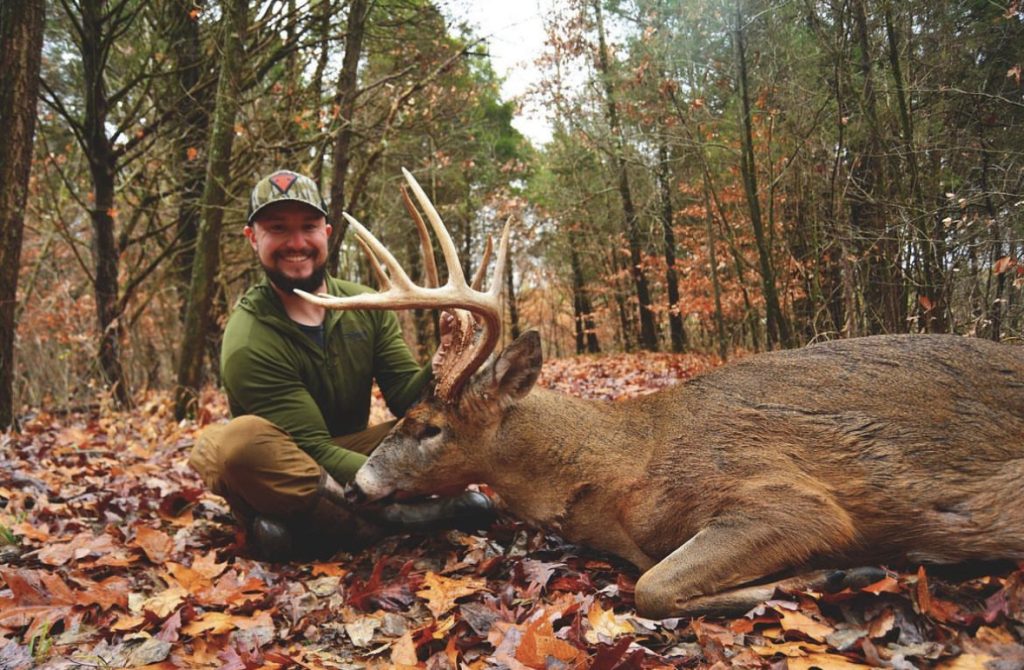
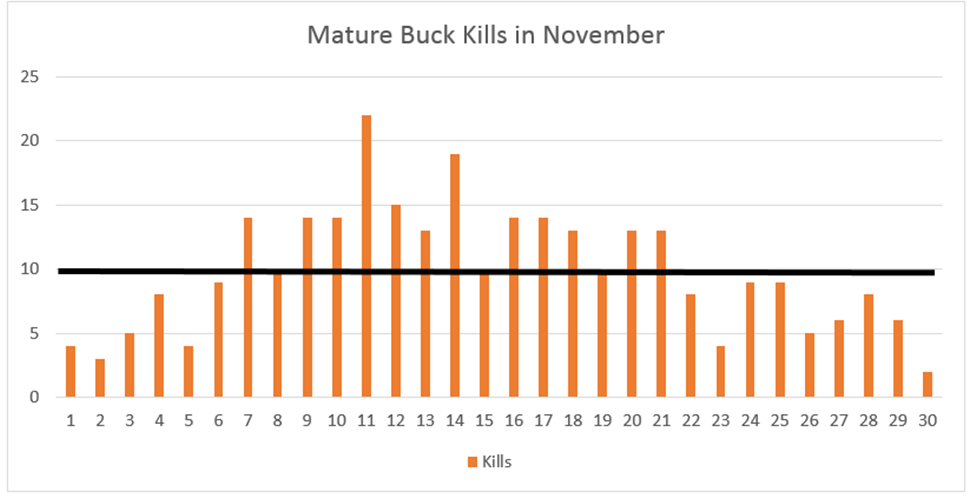
Planning a Rutcation and need to know the best day of the whitetail rut to hunt, if so, chances are that everyone has a different opinion based on their personal interactions in the whitetail woods. Many of these dates are between Halloween and November 16. Somewhere in that time span, the best day of the year in your neck of the woods will most likely occur. Opinions are just that, one person’s opinion on the subject.
However, several years ago, I dived deep into this topic and the results are evident in the chart below. The data consisted of ten years of data that I was able to collect on mature whitetails, aged 3.5 years or older. From this information, November 11 consistently puts more big bucks on the ground than any other day of the year.
What triggers the whitetail rut?
The most controversial topic in the hunting industry is “What triggers the whitetail rut?” Some believe that the whitetail rut is triggered by changes in day length, also known as photoperiod. Photoperiod refers to the amount of daylight versus darkness in a 24-hour period. As the days get shorter and nights get longer during the fall, it signals to deer that the breeding season is approaching.
The decreased daylight is believed to then trigger the deer’s endocrine system. Decreasing daylight hours stimulate the pineal gland in the deer’s brain to produce melatonin. Melatonin, in turn, triggers the release of reproductive hormones, particularly in bucks. This hormonal response causes the bucks’ testes to increase in size and begin producing testosterone, which changes normal deer behavior to rutting behaviors.
The timing of the rut can vary slightly depending on geographic location, as deer populations in different regions may experience variations in day length. In general, the rut starts in the fall and typically occurs during a specific time frame based on the latitude and local climate conditions.
It’s important to note that while photoperiod is the primary trigger for the rut, other environmental factors such as weather, nutrition, and deer population dynamics can also influence the timing and intensity of the rut in specific areas. These factors can contribute to some variation in the onset and progression of the rut from year to year and between different deer populations.
What about the moon? Some say that moon is the best predictor of the whitetail rut. However, most scientific studies disprove this theory but the idea of the Red Moon certainly has some ground, regardless of the time of year.
What are the typical behaviors of bucks during the rut?
During the rut, bucks (male deer) exhibit a range of distinct and often intense behaviors as they compete for mates and seek to establish dominance. These rutting behaviors are driven by hormonal changes and the desire to find and breed with receptive does. Here are some typical behaviors of bucks during the rut:
1. Rubbing and Scraping: Bucks engage in antler rubbing, where they vigorously rub their antlers against trees and shrubs to remove the velvet and mark their territory. They also create scrapes by pawing the ground and marking it with scent from preorbital glands and urine. The preorbital glands are rubbed against licking branches that overhand the scrape and urine is deposited onto the ground.
2. Vocalizations: Bucks are more vocal during the rut, emitting grunts, snorts, and wheezes to communicate with other deer and assert their dominance.
3. Seeking and Chasing Does: Bucks actively search for does in estrus (heat) and chase after them to breed. This pursuit of receptive females can lead to intense chases and interactions between bucks and does. Deer can travel several miles away from their core range during this time.
4. Sparring and Fighting: Dominant bucks may engage in sparring matches with rival bucks to establish hierarchy and access to breeding opportunities. These sparring matches can be non-aggressive displays or more serious confrontations.
5. Establishing Dominance: Bucks assert their dominance by displaying aggressive behavior, posturing, and engaging in sparring matches. The most dominant bucks often mate with the most receptive does.
6. Decreased Feeding: During the peak of the rut, bucks may reduce their feeding activities and focus more on breeding-related behaviors. It doesn’t mean they’ll avoid feeding areas because that’s where the does are! Food is no longer a primary concern for them during this time.
7. Increased Activity: Bucks are more active during the rut, often exhibiting increased daytime movement, even during the typically less active midday hours. This increases a hunter’s chance of harvesting a buck as primetime could be anytime during the rut!
8. Seeking Out Rutting Areas: Bucks are drawn to areas where does congregate during the rut. These areas, known as rutting or staging areas, can have increased scrapes and rubs multiple bucks filter through the area. Doe bedding areas are common areas where bucks will frequent during the rut in search of a receptive doe. A scrape on the downwind side of a doe bedding area can be deadly!
9. Roaming and Patrolling: Bucks may roam outside of their usual home ranges during the rut, exploring new areas in search of receptive does. It’s not uncommon to see a buck show up on trail camera or under your stand that you never knew existed.
It’s important to note that not all bucks will exhibit every rutting behavior, and the intensity of these behaviors can vary based on factors such as age, health, and local deer population dynamics. Additionally, rutting behavior can change rapidly during the various phases of the rut, from pre-rut to peak rut and post-rut. Understanding these behaviors can be valuable for hunters and wildlife observers seeking to observe or participate in deer rutting activities.

How do bucks mark their territory during the rut?
Bucks mark their territory during the rut using a combination of physical markings and scent communication. These territorial markings are essential for asserting dominance, establishing breeding territories, and communicating with other bucks and does. Here are some ways bucks mark their territory during the rut:
1. Antler Rubbing: Bucks engage in antler rubbing, where they vigorously rub their antlers against trees, shrubs, and vegetation. This behavior serves two purposes: it helps remove the velvet from their antlers, and it leaves distinct marks on the rubbed surfaces. These rubs are visual cues to other deer, signaling the presence of a dominant buck in the area.
2. Scraping: Bucks create scrapes by pawing the ground with their front hooves and urinating on the exposed earth. They may also use preorbital glands to deposit scent on the licking branches above the scrape. These scrapes, often found near rubs, are another form of visual and scent marking.
3. Scent Glands: Bucks have specialized scent glands on their forehead, known as the frontal glands or forehead glands. These glands secrete a musky, pungent odor that is unique to each individual buck. When bucks rub their foreheads on trees and branches during antler rubbing and scraping, they leave behind their scent, serving as a clear territorial marker.
4. Preorbital Glands: Preorbital glands are located near a buck’s eyes. When bucks rub their faces on branches or vegetation, they deposit their scent from these glands. This behavior adds to the scent marking of their territory.
5. Urination and Defecation: Bucks may urinate and defecate in specific areas as a form of scent marking. These scent cues signal other deer about their presence and dominance.
6. Vocalizations: Bucks emit various vocalizations during the rut, including grunts, snorts, and wheezes. These vocalizations serve as both communication with other deer and territorial displays.
By combining visual markings through antler rubbing and scraping with the powerful scent cues from their specialized glands, bucks establish and defend their territories during the rut. These territorial behaviors play a significant role in asserting dominance and attracting receptive does for breeding opportunities. Bucks use their marked territories to communicate their presence and reproductive readiness to other deer, especially rival bucks seeking to challenge their dominance.

What are some vocalizations made by bucks during the rut?
During the rut, bucks (male deer) become more vocal and emit various vocalizations to communicate with other deer, assert dominance, and attract mates. These rut-related vocalizations are an important part of their breeding behaviors. Here are some of the common vocalizations made by bucks during the rut:
1. Grunts: Grunting is one of the most common vocalizations made by bucks during the rut. It is a low-pitched, guttural sound that bucks use to communicate with other deer. Bucks may emit a series of grunts to signal their presence, assert dominance, or express interest in nearby does.
2. Snorts: Bucks use snorting as an alert signal when they sense danger or detect potential threats. During the rut, bucks may snort if they feel agitated or challenged by other bucks.
3. Wheezes: The wheeze is a unique vocalization made by dominant bucks. It is a drawn-out, raspy sound that bucks use to assert their dominance and intimidate other bucks. A wheezing buck may be warning other bucks to stay away from their territory or receptive does.
4. Roaring: During the peak of the rut, dominant bucks may emit a loud, prolonged vocalization known as roaring. Roaring is typically made when a buck is excited, agitated, or engaged in sparring with other bucks.
5. Grunt-Snort-Wheeze: This vocalization is a combination of grunts, snorts, and wheezes. Bucks may make this complex vocalization during aggressive encounters with rival bucks. It is an escalated form of communication used in territorial disputes.
6. Contact Calls: Bucks may emit contact calls to locate other deer, especially does in estrus. These calls are softer and less aggressive than other rut-related vocalizations.
7. Tending Grunts: When a buck is actively tending a receptive doe, he may emit soft, rhythmic grunts as a form of courtship.
It’s important to note that the intensity and frequency of these vocalizations can vary depending on the behavior and social dynamics of the deer in a specific area. Dominant bucks are typically more vocal, while younger or subordinate bucks may be less vocal and rely more on visual cues and body language to communicate. Understanding these vocalizations can provide valuable insights for hunters and wildlife observers during the rut, as they may indicate the presence of breeding activity and dominant bucks in the area.
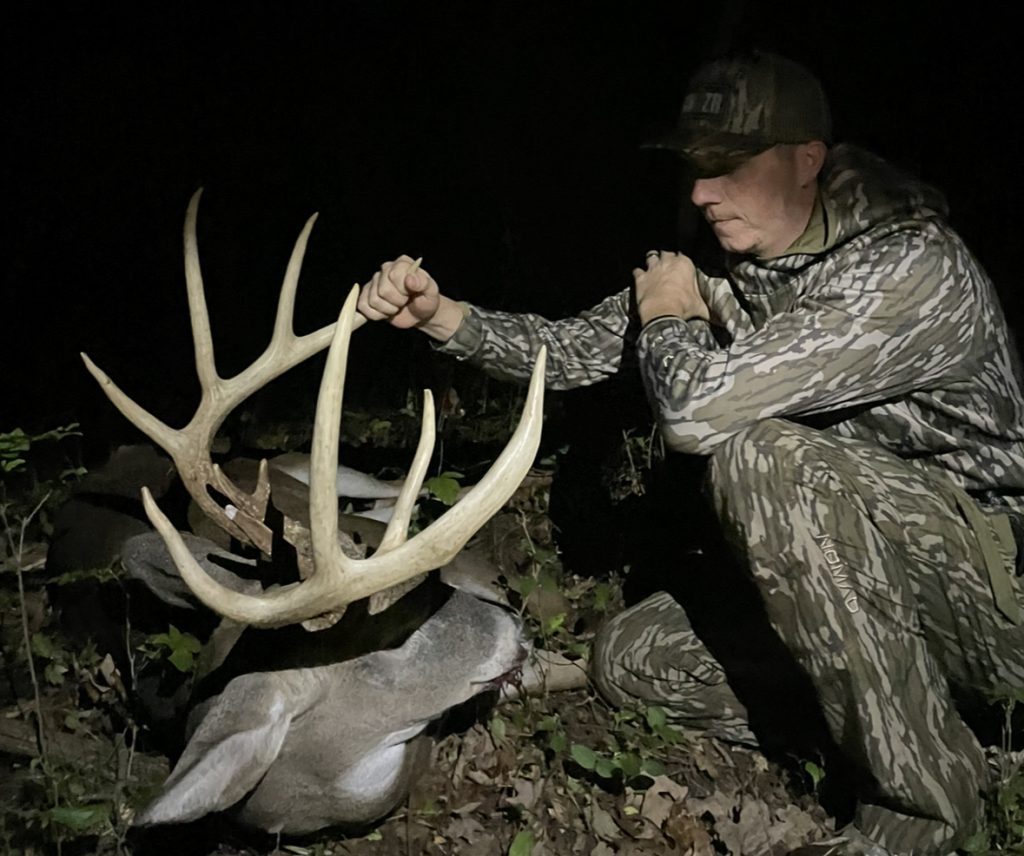
What is the purpose of antler rubbing during the rut?
Antler rubbing during the rut serves several important purposes for male deer, specifically bucks, and is an essential part of their rutting behaviors. Antler rubbing is a behavior where bucks use their antlers to rub against trees, shrubs, or other vegetation, resulting in the removal of the velvet from their antlers and leaving distinctive marks on the vegetation. Here are the primary purposes of antler rubbing during the rut:
1. Removing Velvet: One of the main purposes of antler rubbing is to remove the velvet that covers the growing antlers during their development. The velvet is a soft, blood-rich tissue that nourishes the antlers as they grow. By rubbing their antlers against trees and vegetation, bucks strip off the velvet, exposing the hardened bone underneath.
2. Strengthening Neck Muscles: Antler rubbing requires significant force, and the act of vigorously rubbing against trees helps strengthen the neck muscles of bucks. This increased neck strength is beneficial for future rut-related activities, such as sparring with other bucks to establish dominance and compete for mates.
3. Scent Marking: While antler rubbing is primarily a physical behavior, it also serves as a form of scent marking. Bucks have scent glands on their foreheads, and as they rub their antlers against trees and vegetation, they leave behind scent cues. These scent marks can communicate the presence and dominance of the buck to other deer in the area.
4. Territory Establishment: Antler rubbing can also be a way for bucks to establish their territory and mark their presence. Bucks often target specific trees or areas, repeatedly returning to these locations to reinforce their territorial boundaries. This behavior signals to other bucks that the area is occupied and may discourage potential rivals.
5. Attracting Does: During the rut, does may be attracted to areas where bucks have been rubbing their antlers. The presence of scent marks and visible signs of a dominant buck may signal to does that this area is a potential mating site.
Overall, antler rubbing is a crucial part of the rutting behaviors of bucks. It helps prepare their antlers for combat, strengthens their neck muscles, and communicates their presence and dominance to other deer. By observing antler rubs and other rut-related behaviors, hunters and wildlife enthusiasts can gain insights into the activities and movements of bucks during the rutting season.
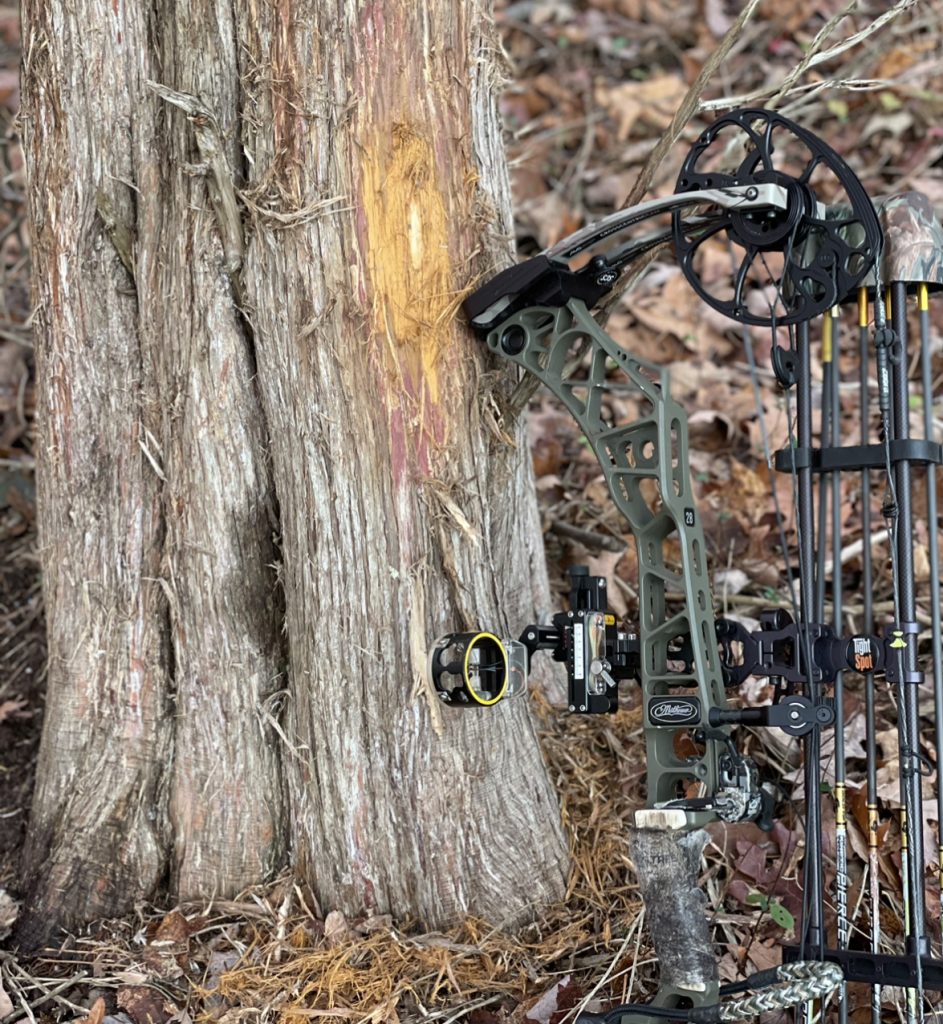
Do does make any specific sounds or behaviors during the rut?
During the rut, does (female deer) can exhibit specific behaviors and make sounds to communicate with bucks (male deer) and signal their readiness to breed. While bucks are more vocal and active during this period, does also play an essential role in the breeding process. Here are some specific sounds and behaviors that does may display during the rut:
1. Estrus Bleats: An estrus bleat is a vocalization made by does during their receptive phase of the estrus cycle. It is a high-pitched, drawn-out call that signals their availability for mating. The estrus bleat can attract nearby bucks and initiate breeding behavior.
2. Urinating and Defecating: Does may urinate and defecate in areas known as “scrapes” or “pits.” These actions leave scent cues that communicate their reproductive status to passing bucks. Bucks will often investigate these scrapes to determine if the doe is in estrus.
3. Tail Flagging: Tail flagging is a behavior where does rapidly raise and lower their white tail to signal their presence or assert their receptivity to breeding. This behavior can attract bucks and indicate that the doe is ready to mate.
4. Seeking Attention: During the rut, does may actively seek the attention of bucks by moving in their vicinity and presenting themselves for mating. This behavior is crucial in initiating the breeding process.
5. Avoiding Aggressive Bucks: While does are receptive to mating, they may also exhibit avoidance behaviors towards overly aggressive or less desirable bucks. They may lead bucks on chases or move away from dominant bucks to choose more suitable mates.
6. Refusing Breeding Attempts: Not all does are immediately receptive to mating. Some may initially refuse mating attempts by bucks until they are fully in estrus and ready to breed.
It’s important to note that the intensity of these behaviors can vary depending on the individual doe, population density, and environmental factors. Additionally, the timing and duration of doe behaviors during the rut can be influenced by factors such as local deer density, food availability, and hunting pressure. Understanding doe behaviors during the rut can be valuable for hunters and wildlife observers seeking to witness or participate in deer breeding activities.
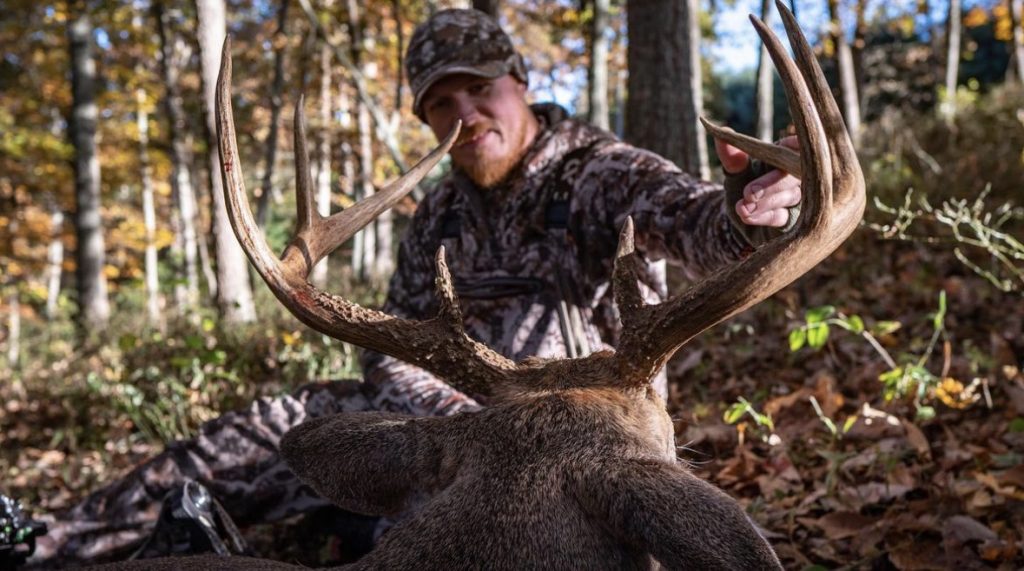
Are there specific times of day when deer are more active during the rut?
During the rut, deer can be more active throughout the day compared to other times of the year. However, there are specific times of day when deer tend to be more active and exhibit increased rutting behaviors. These times of increased activity are influenced by natural deer behavior, mating rituals, and other environmental factors. Here are some specific times of day when deer are more active during the rut:
1. Dawn and Dusk: Like many animals, deer are crepuscular, which means they are most active during the low-light periods of dawn and dusk. During the rut, bucks and does may be more active during these times as they move between bedding and feeding areas and engage in breeding behaviors.
2. Morning: In the early morning hours before sunrise, deer activity can be high, especially during the peak of the rut. Bucks may be actively searching for does, and does may be moving to feeding areas after a night of rest.
3. Midday: Bucks, in particular, may be more active during midday hours, especially when the rut is at its peak. This increased daytime activity is influenced by hormonal changes and the intense drive to find receptive does.
4. Afternoon: During the late afternoon and early evening hours, deer activity tends to increase again. Bucks and does may be moving to feeding areas or rutting sites in preparation for the night.
5. Full Moon Periods: While not a specific time of day, deer activity, including rutting behaviors, can be more pronounced during full moon periods. Deer may be more active at night and display increased daytime movement during a full moon.
It’s important to note that deer behavior can be influenced by various factors, including weather conditions, hunting pressure, and food availability. During the rut, deer may also exhibit erratic behavior and be less predictable due to hormonal influences and their focus on breeding-related activities.
As a hunter or wildlife observer, paying attention to these patterns can help you plan your outings and increase your chances of encountering rutting activity. However, keep in mind that individual deer behavior can vary, and being patient and observant is essential to capitalize on opportunities during the rut.

How does the whitetail rut vary between different regions of North America?
The whitetail rut can vary significantly between different regions of North America due to variations in climate, habitat, deer populations, and other environmental factors. Here are some key differences in the whitetail rut between various regions:
- Timing of the Rut: The timing of the rut varies geographically. In northern regions, where winters are harsher, the rut often occurs later in the fall. In contrast, in southern regions with milder winters, the rut may begin earlier in the year.
- Intensity and Duration: The intensity and duration of the rut can differ between regions. In areas with higher deer population densities, the rut may be more intense, with more aggressive behaviors and vocalizations. The rut may also last longer in regions with a more staggered breeding season.
- Weather Impact: Weather conditions can affect the rut differently in various regions. In colder climates, extreme weather events can disrupt deer behavior and affect rutting activity. In warmer climates, deer may be more active during the rut due to milder temperatures.
- Habitat and Food Availability: The availability of food resources and habitat quality can influence deer health and reproductive readiness. In regions with abundant and nutritious forage, deer may be in better condition, potentially leading to more successful breeding.
- Population Density: Deer population densities can vary significantly between regions. In areas with higher deer densities, competition for mates can be more intense, potentially affecting the timing and dynamics of the rut.
- Hunter Pressure: The presence of hunters and hunting pressure can impact deer behavior during the rut. In areas with high hunting pressure, deer may become more nocturnal and wary, potentially altering their rutting behaviors.
- Migration: In some northern regions, deer populations may exhibit migration behaviors, moving to wintering areas during the fall. The timing of the rut and deer movements can be influenced by these migratory patterns.
- Genetic Variation: Different regions may have distinct genetic traits within their deer populations. Genetic factors can influence antler development, body size, and timing of rut-related behaviors.
- Regulations and Hunting Seasons: Hunting regulations and the timing of hunting seasons can influence deer behavior during the rut. Deer populations in regions with different hunting regulations may experience varying levels of hunting pressure during the rut.
Overall, the whitetail rut is a dynamic and diverse phenomenon, with regional variations shaping the timing and characteristics of the breeding season. Understanding these differences is crucial for effective deer management, conservation efforts, and hunting strategies in different parts of North America.

Can the timing of the rut change from year to year?
Some hunters believe that the timing of the rut can change from year to year. While the rut is primarily driven by changes in day length (photoperiod), other factors, such as weather, nutrition, and deer population dynamics, can influence the onset and progression of singular deer within the herd, but not the entire deer herd. As a result, the timing of the rut may vary annually, even in the same geographic area. Here are some reasons why the timing of the rut can change from year to year:
1. Photoperiod Variation: While day length is the primary cue for triggering the rut, slight variations in the timing of the sunrise and sunset each year can impact the onset of the rut.
2. Weather Conditions: Weather, including temperature and precipitation, can affect deer behavior and physiology. Unseasonably warm or cold weather might influence the timing of estrus in does and the activity level of bucks during the rut.
3. Nutritional Status: The availability of food resources and the nutritional condition of deer can impact their reproductive readiness. In years with abundant food, deer may be in better condition, potentially leading to an earlier rut.
4. Population Density: High deer population densities can lead to increased competition for mates. In such cases, the rut might occur earlier, as deer compete for breeding opportunities.
5. Fawn Survival and Stress: The survival of fawns born in previous years can influence the timing of the rut in subsequent years. For instance, poor fawn survival may lead to a delayed rut in the following year.
6. Age Structure: The age structure of the deer population can also impact the timing of the rut. Older, more dominant bucks may initiate the rut earlier than younger bucks.
7. Moon Phase: Some studies suggest that the moon phase can influence deer activity and rutting behaviors. Lunar cycles may contribute to annual variations in the timing of the rut.
It’s important to note that while the timing of the rut can fluctuate from year to year, it generally occurs within a specific window for each geographic area and deer species. Wildlife managers and researchers monitor deer populations to better understand these variations and ensure effective management of deer populations and most scientists agree that the rut happens at the same time every year and environmental conditions factor how much of the rutting behavior we observe.
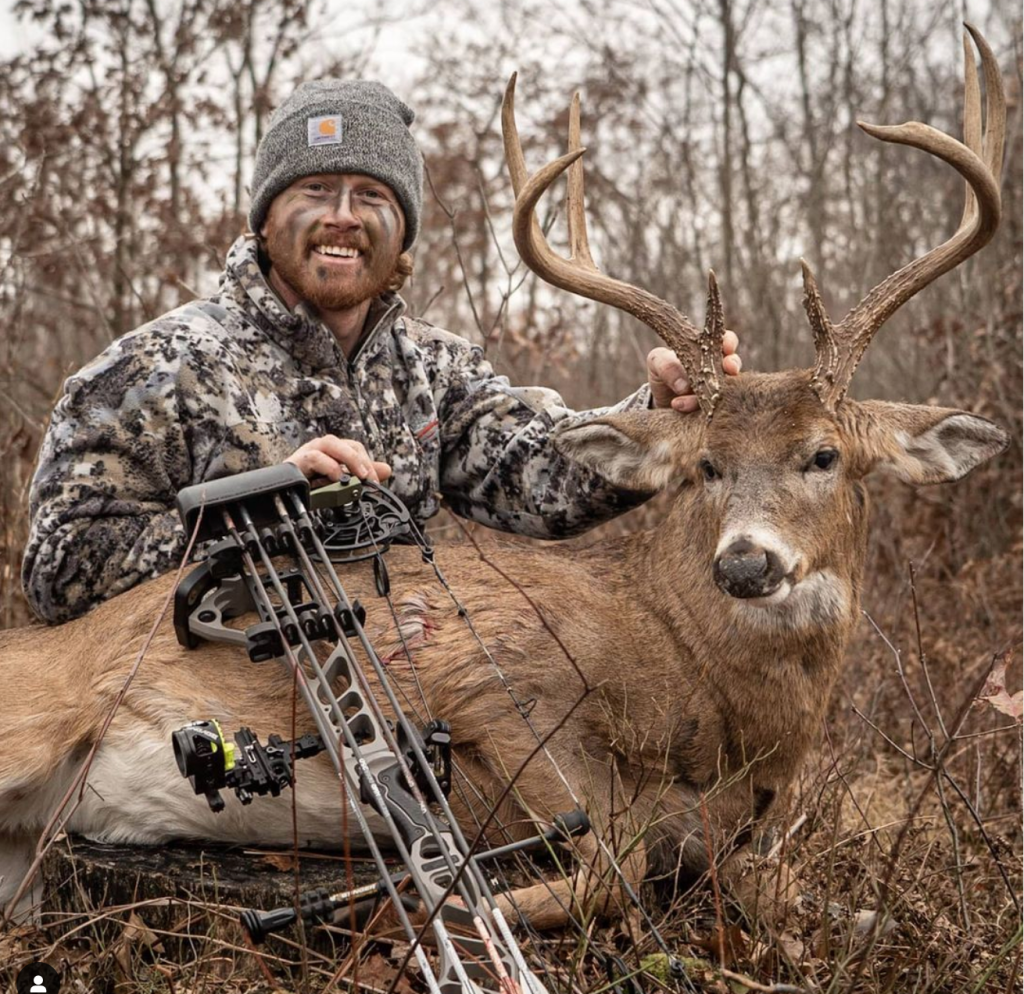
Are there any environmental factors that can affect the timing of the rut?
Yes, several environmental factors can affect the timing of the rut in deer populations. The timing of the rut is primarily driven by changes in day length, which influence hormone production in deer. However, certain environmental factors can influence the onset and progression of the rut in specific ways. Here are some of the key environmental factors that can affect the timing of the rut:
- Latitude and Photoperiod: Day length (photoperiod) is a crucial environmental cue that triggers the onset of the rut. As the days shorten in the fall, deer experience longer periods of darkness, which stimulates the production of hormones, including testosterone in bucks and estrus hormones in does.
- Climate and Temperature: Climate and temperature can influence the timing and intensity of the rut. In colder regions, the rut may be delayed as deer conserve energy during harsh winter conditions. In milder climates, where winters are less severe, the rut may occur earlier in the year.
- Food Availability and Nutrition: The availability of food resources and the overall nutritional condition of deer can influence the timing of the rut. If food sources are abundant, deer may be in better physical condition, which could prompt an earlier onset of the rut.
- Dietary Quality: The quality of the diet can also impact the health and reproductive readiness of deer. Nutritious forage can lead to earlier maturation and estrus in does and more robust antler development in bucks.
- Population Density: High deer population densities can lead to increased competition for mates, potentially resulting in an earlier rut as deer vie for breeding opportunities.
- Habitat Quality and Stressors: The quality of the habitat and exposure to stressors can impact deer health and reproduction. Stressors such as habitat degradation or exposure to pollutants might delay the onset of the rut.
- Moon Phase: While not a direct environmental factor, some studies suggest that moon phase can influence deer activity during the rut, potentially impacting the timing of breeding-related behaviors.
- Genetic Factors: Local genetic variations in deer populations can influence their timing of reproductive events, including the rut. Certain genetic traits may lead to deer populations that exhibit earlier or later ruts compared to others.
It’s important to understand that the timing of the rut can vary from year to year and between different deer populations based on these environmental factors. Wildlife managers and researchers study these interactions to better understand the reproductive ecology of deer populations and ensure effective management and conservation efforts.

What are some rut hunting tips and strategies for hunters?
Rut hunting can be an exciting and challenging time for hunters, as deer behavior changes significantly during the breeding season. Here are some rut hunting tips and strategies to improve your chances of success:
- Scout Early and Often: Start scouting well before the rut begins to identify deer movement patterns, travel corridors, feeding areas, and rutting hotspots. Continuously monitor deer activity to adjust your hunting strategies accordingly.
- Use Scent Control: Deer have a keen sense of smell, so practice scent control by washing your hunting clothes with scent-free detergents, using scent-eliminating sprays, and hunting with the wind in your favor.
- Employ Deer Calls Sparingly: Using deer calls can be effective during the rut, but use them sparingly and realistically. Avoid overcalling, as too many calls can make deer wary of the area.
- Use Rattling Techniques: Rattling can mimic the sounds of bucks sparring and attract curious bucks. During the peak of the rut, rattling can be especially effective in drawing in dominant bucks looking for potential challengers.
- Set Up Near Doe Bedding Areas: Bucks will actively search for does during the rut, so consider setting up near known doe bedding areas, feeding areas, or rutting sites to increase your chances of encountering rutting activity.
- Focus on Travel Corridors: Bucks use travel corridors to move between bedding areas and food sources during the rut. Set up your stand along these corridors to intercept bucks on the move.
- Hunt All Day: During the rut, deer activity can be high throughout the day, so consider hunting all day instead of just the traditional morning and evening hunts.
- Stay Mobile: If you’re not seeing rutting activity in your current location, be willing to move to another spot. Rutting behavior can change rapidly, and deer movement may be more unpredictable.
- Use Decoys: Rutting bucks can be drawn in by the sight of a decoy, especially if they believe there’s a receptive doe nearby. Use scent attractants to make the decoy more convincing.
- Be Patient and Observant: The rut can be an unpredictable time, and deer behavior can change quickly. Be patient, observant, and ready to capitalize on opportunities when they arise.
- Practice Shot Placement: Make sure your shooting skills are sharp, as the rut can lead to quick and unexpected shot opportunities. Aim for vital areas to ensure a clean and ethical kill.
- Stay Safe and Legal: Always prioritize safety and follow hunting regulations. Know your target and what’s beyond it to prevent accidents.
Remember that deer behavior can vary based on factors such as weather, deer density, and hunting pressure. Being adaptable and flexible in your hunting strategies is key to success during the rut. Enjoy the experience of rut hunting and appreciate the unique behaviors displayed by deer during this exciting time of year.
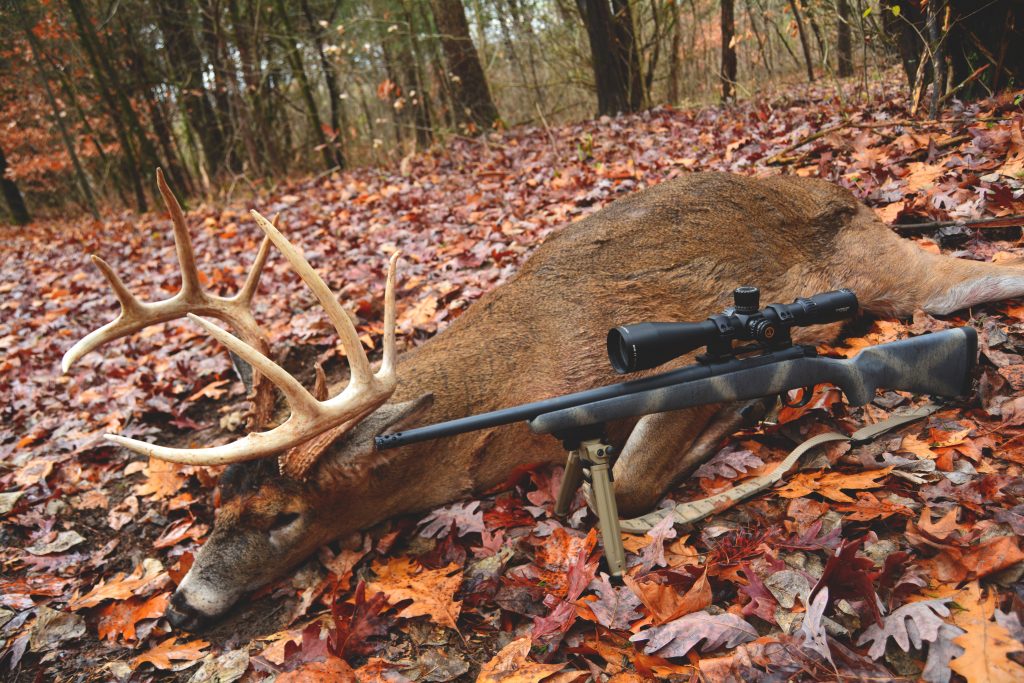
How does the rut affect deer movement patterns and migration?
The rut has a significant impact on deer movement patterns and can influence migration behaviors in certain deer populations. During the rut, which is the breeding season for deer, hormonal changes drive shifts in deer behavior and movement. The extent of these changes can vary based on factors such as deer density, habitat conditions, and local climate. Here’s how the rut affects deer movement patterns and migration:
1. Increased Activity: Bucks, in particular, become more active during the rut as they search for receptive does. They may cover larger areas and venture outside their typical home ranges in pursuit of mates. This increased activity can lead to more frequent sightings of deer during daylight hours.
2. Disrupted Feeding Patterns: The rut can cause deer to prioritize breeding behaviors over feeding. Bucks, in particular, may reduce their feeding activities during the peak of the rut, and even does may be less focused on foraging.
3. Changes in Group Dynamics: The rut can alter the social dynamics within deer groups. Bucks may be seen more frequently interacting with does, and subordinate bucks may avoid areas with dominant bucks to reduce the risk of confrontations.
4. Movement to Rutting Areas: Deer may be drawn to specific rutting areas where does congregate, and where dominant bucks establish their territories. These areas might have increased scent marking, scrapes, and vocalizations.
5. Temporary Migration: In some deer populations, the rut can trigger temporary migration as bucks and does move to different areas in search of mates. This may lead to shifts in seasonal home ranges during the rutting season.
6. Longer Travel Distances: During the rut, bucks may travel greater distances as they actively seek out receptive does. This increased movement can result in larger home ranges for bucks during the rut compared to other times of the year.
7. Influence of Weather: Weather conditions can also impact deer movement during the rut. Cooler temperatures and overcast days may result in more daytime activity, while warmer weather might lead to more nocturnal behavior.
8. Post-Rut Movement: After the peak of the rut, deer movement patterns may return to more typical behaviors as breeding activity decreases. Bucks may disperse, and does may return to their core home ranges.
It’s important to note that the extent of these effects can vary based on factors such as the age structure of the deer population, habitat quality, and hunting pressure. Additionally, not all deer populations exhibit long-distance migration, as some deer are more sedentary and rely on local resources throughout the year. Understanding the impact of the rut on deer movement patterns and migration is crucial for wildlife management and conservation efforts.
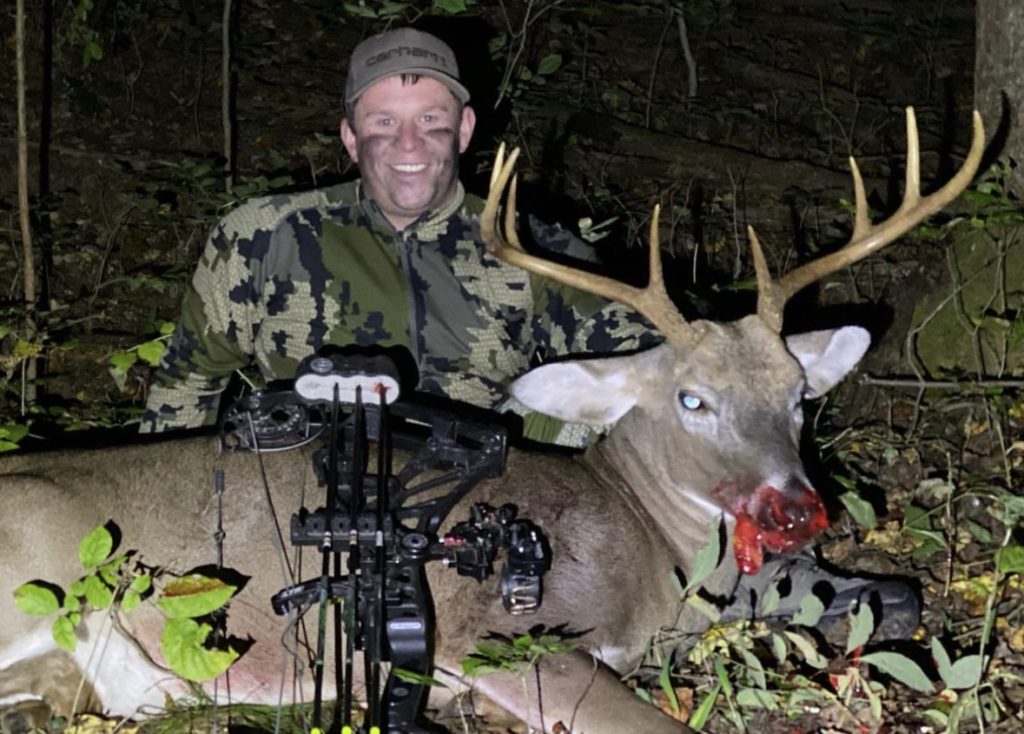
Are there any safety precautions to consider during the rutting season?
Yes, there are several safety precautions to consider during the rutting season, especially for individuals who spend time in areas with active deer populations. Whether you are a hunter, wildlife enthusiast, or outdoor enthusiast, these precautions can help ensure your safety and the well-being of the deer:
- Wear Bright Clothing: If you are hiking, walking, or spending time outdoors during the rut, consider wearing bright clothing to make yourself more visible to hunters. Avoid wearing colors that resemble the natural colors of deer, such as brown or tan.
- Know Hunting Seasons and Regulations: If you are in an area where hunting is allowed, familiarize yourself with the hunting seasons, regulations, and specific dates for deer hunting. Always respect hunting laws and private property boundaries.
- Use Trail Cameras Safely: If you use trail cameras to monitor deer activity, place them in secure locations away from trails and paths used by people to minimize the risk of tampering or theft.
- Be Cautious on Roads: During the rut, deer are more active and may be crossing roads more frequently. Be vigilant while driving, especially during dawn and dusk when deer are most active. Watch for deer crossing signs and reduce your speed in areas known for high deer activity.
- Avoid Disturbing Rutting Deer: During the rut, deer are focused on breeding and may be more aggressive or unpredictable. Observe deer from a safe distance and avoid getting too close or attempting to approach them.
- Notify Others of Your Location: If you are hunting, hiking, or engaging in any outdoor activity during the rut, let someone know your planned location and estimated return time in case of an emergency.
- Use Tree Stands Safely: If you use tree stands for hunting, follow proper safety procedures, including using a safety harness and checking the stability of the stand before each use.
- Identify Your Target: If you are hunting, positively identify your target before taking a shot. Avoid shooting at movement or sound alone, as other hunters or non-target animals may be in the area.
- Carry a First Aid Kit: Always carry a basic first aid kit with you when spending time in the outdoors, including bandages, antiseptics, and any necessary medications.
- Be Prepared for Weather Changes: Weather conditions can be unpredictable during the rut, so dress appropriately and carry essential items like extra clothing, water, and a map or GPS device.
By being mindful of these safety precautions, you can enjoy your time outdoors during the rutting season while minimizing potential risks and promoting a safe environment for both humans and deer.
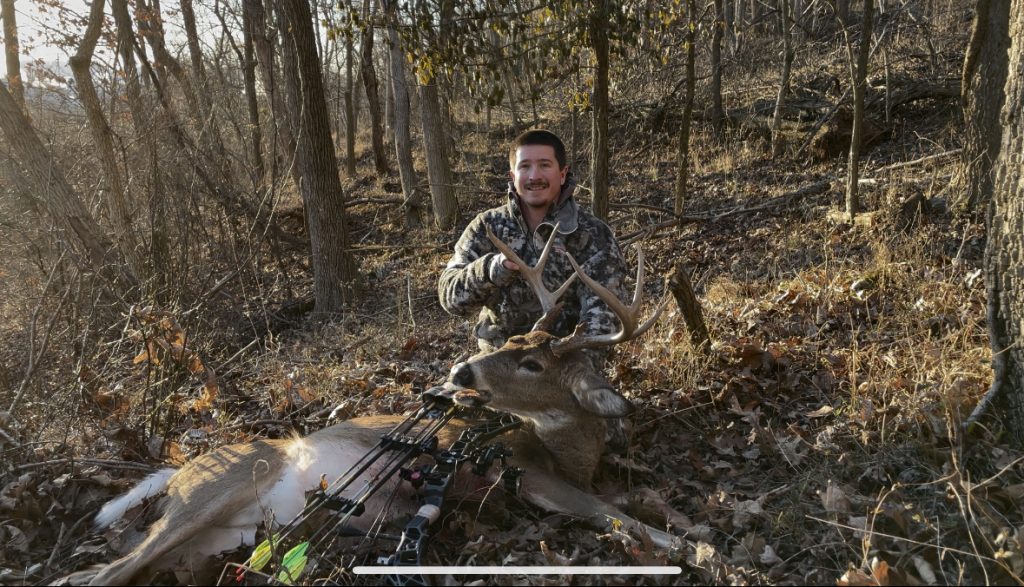
How do deer populations in areas with mild climates experience the rut differently from those in colder regions?
Deer populations in areas with mild climates can experience the rut differently from those in colder regions due to the influence of temperature and other environmental factors. The rut is driven by hormonal changes triggered by changing day length, but the timing and intensity of these changes can be affected by climate conditions. Here are some ways in which the rutting behavior of deer in mild climates may differ from those in colder regions:
1. Timing of the Rut: In mild climates, where winters are less severe and temperatures remain relatively moderate, the rut may occur earlier in the year compared to colder regions. The absence of extreme cold temperatures may not delay the onset of the rut as it might in colder areas.
2. Extended Breeding Season: In some mild climates, the rutting season can be more extended, with deer exhibiting breeding behaviors over a more extended period. This extended breeding season may be a response to favorable weather conditions and a more abundant food supply throughout the year.
3. Synchronization with Seasonal Food Availability: In areas with mild climates, there may be a more consistent availability of natural food sources throughout the year. This can lead to better nutritional conditions for deer, potentially resulting in healthier and more robust individuals during the rut.
4. Reduced Stress: In colder regions, deer populations may face higher stress levels during the harsh winter months, which could impact their overall health and reproductive success. In mild climates, deer may experience less stress due to milder weather conditions, potentially contributing to better breeding success.
5. Impact on Fawn Survival: The timing of the rut can influence the timing of fawn births. In mild climates, fawns born earlier in the year may have more time to grow and prepare for the following winter, potentially leading to higher fawn survival rates.
6. Movements and Activity: Deer in mild climates may be more active during the rut as they do not need to conserve energy to cope with extreme cold temperatures. This increased activity might result in more visible rutting behaviors.
7. Reduced Use of Thermal Cover: In colder regions, deer may rely on thermal cover (dense vegetation or sheltered areas) to conserve heat during the winter months. In mild climates, they may not depend as heavily on thermal cover, which could impact their rutting behaviors and movements.
It’s important to note that the specific differences in the rut between mild and colder climates can vary based on the local climate, geographical features, and deer population dynamics. Additionally, deer populations are adaptable and may exhibit different behaviors based on factors beyond climate, such as habitat quality and available food resources. Understanding these variations is crucial for wildlife management and conservation efforts in different regions.
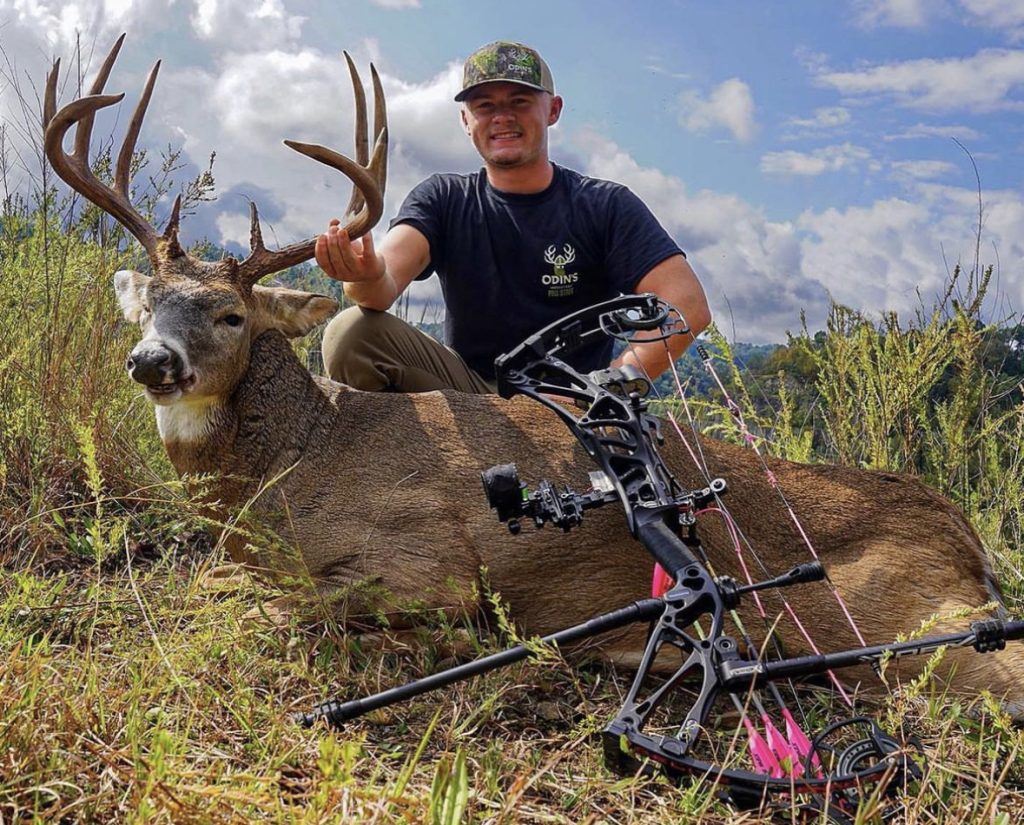
What are some common mistakes to avoid when hunting during the rut?
When hunting during the rut, it’s essential to be strategic and avoid common mistakes that could negatively impact your chances of success or potentially harm the deer population. Here are some common mistakes to avoid when hunting during the rut:
- Overcalling: While using deer calls can be effective during the rut, overcalling or using calls inappropriately can spook deer or make them wary of the area. Use calls sparingly and realistically to avoid alarming deer.
- Ignoring Wind Direction: Deer have an acute sense of smell, and wind direction is crucial when hunting. Avoid hunting with the wind blowing toward deer, as they will likely catch your scent and avoid the area.
- Ignoring Safety Precautions: Safety should always be a top priority when hunting. Be sure to wear appropriate hunting gear, use safety harnesses when hunting from tree stands, and maintain safe firearm handling practices at all times.
- Overlooking Scouting: Proper scouting before and during the rut is vital. Identify key areas, such as travel corridors, feeding areas, and rutting sites, to understand deer movement patterns and increase your chances of success.
- Inadequate Stand Placement: Choosing the wrong hunting stand location can result in missed opportunities. Place your stand strategically, considering deer movement, wind direction, and your shooting lanes.
- Hunting the Same Spot Daily: Hunting the same stand location day after day can create hunting pressure and make deer wary. Rotate between multiple stand locations to avoid overexposing deer to your presence.
- Ignoring Midday Hunting: Many hunters focus solely on early morning and late evening hunts during the rut. However, bucks can be active at any time during the day, including midday, especially when the rut is in full swing.
- Being Impatient: Patience is essential when hunting during the rut. Deer movement can be unpredictable, and it may take time for the rutting action to pick up. Avoid giving up too quickly and stay alert during your hunts.
- Neglecting Scent Control: Deer have an exceptional sense of smell, so it’s crucial to practice scent control measures to reduce your scent signature and avoid alerting deer to your presence.
- Lack of Flexibility: Weather conditions and deer behavior can change rapidly during the rut. Be prepared to adjust your hunting strategies and locations based on changing circumstances.
- Ignoring Post-Rut Activity: The peak of the rut can be intense, but post-rut activity can also offer good hunting opportunities. Don’t overlook the potential for late estrus does and bucks seeking late mating opportunities.
- Hunting Too Aggressively: Aggressive hunting, such as constant calling or aggressive rattling, might work in certain situations, but it can also spook deer and make them cautious.
By avoiding these common mistakes and adopting a thoughtful and ethical approach to hunting, you can increase your chances of having a successful and enjoyable hunting experience during the rut.
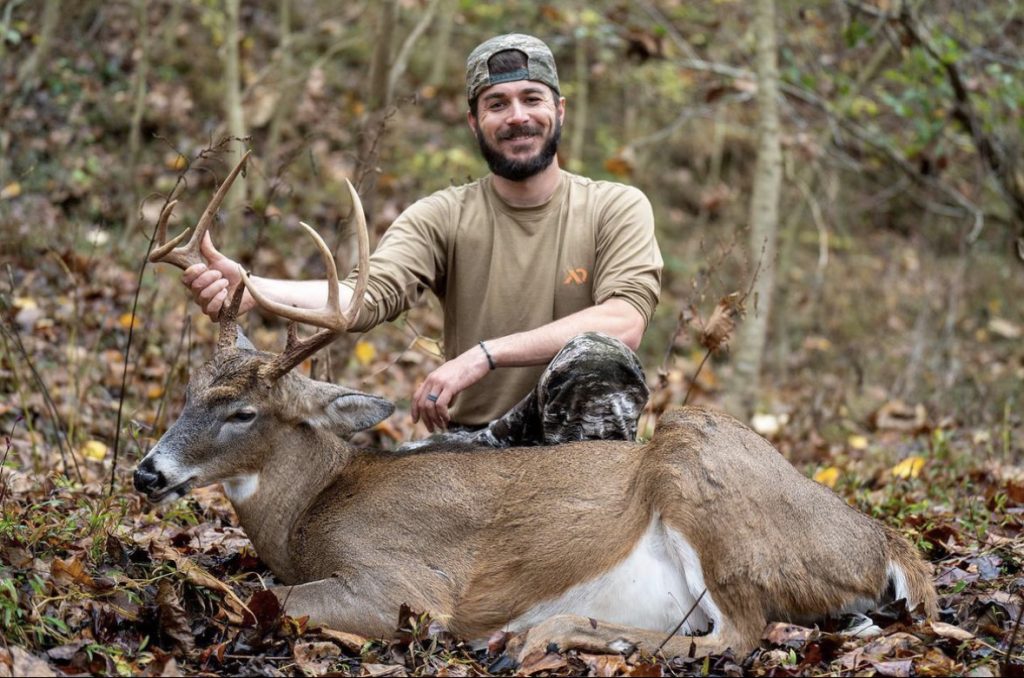
How can I attract deer to my property during the rut?
Attracting deer to your property during the rut can be a rewarding experience for wildlife enthusiasts or hunters. To increase the likelihood of deer visiting your property during this period, consider implementing the following strategies:
- Provide Nutritious Food Sources: Planting food plots with deer-friendly crops such as clover, soybeans, corn, or brassicas can attract deer to your property. Ensure the food sources are available and well-maintained during the rutting season.
- Offer Mineral Supplements: Provide mineral supplements or deer blocks with essential nutrients. Deer seek out these supplements to support their health and antler growth during the rut.
- Water Sources: Ensure a reliable and clean water source on your property. Deer, especially during the rut, will visit watering areas regularly.
- Scent Attractants: Use scent attractants like doe estrus urine or buck urine to simulate the presence of receptive does or dominant bucks during the rut. Place scent attractants strategically in areas where deer are likely to frequent.
- Mock Scrapes: Create mock scrapes by raking the ground and adding deer scent attractants. Bucks may investigate these mock scrapes during the rut, especially if they see signs of other deer activity.
-
Learn How to Create a Mock Scrape here.
-
- Set Up Trail Cameras: Install trail cameras in strategic locations to monitor deer movement and activity on your property. This will help you understand their patterns and adjust your attractant strategies accordingly.
- Limit Human Disturbance: Minimize human activity and disturbances on your property, especially during the rut. Deer are more likely to visit and stay in an area where they feel safe and undisturbed.
- Provide Cover and Shelter: Maintain areas of natural vegetation and cover to offer deer security and bedding areas during the rut.
- Avoid Overhunting: If you are hunting on your property, avoid overhunting during the rut. Excessive hunting pressure can push deer away from your property, reducing the chances of attracting them.
- Understand Local Regulations: Make sure you are familiar with local hunting and baiting regulations. Some areas may have restrictions on the use of certain attractants or baiting practices.
Remember that attracting deer to your property during the rut requires patience and careful planning. It’s essential to prioritize the health and well-being of the deer population and create a habitat that meets their natural needs. Additionally, providing food and attractants should complement the existing natural food sources available in the area. Responsible wildlife management practices help maintain a balanced ecosystem and create a positive environment for both wildlife and humans.
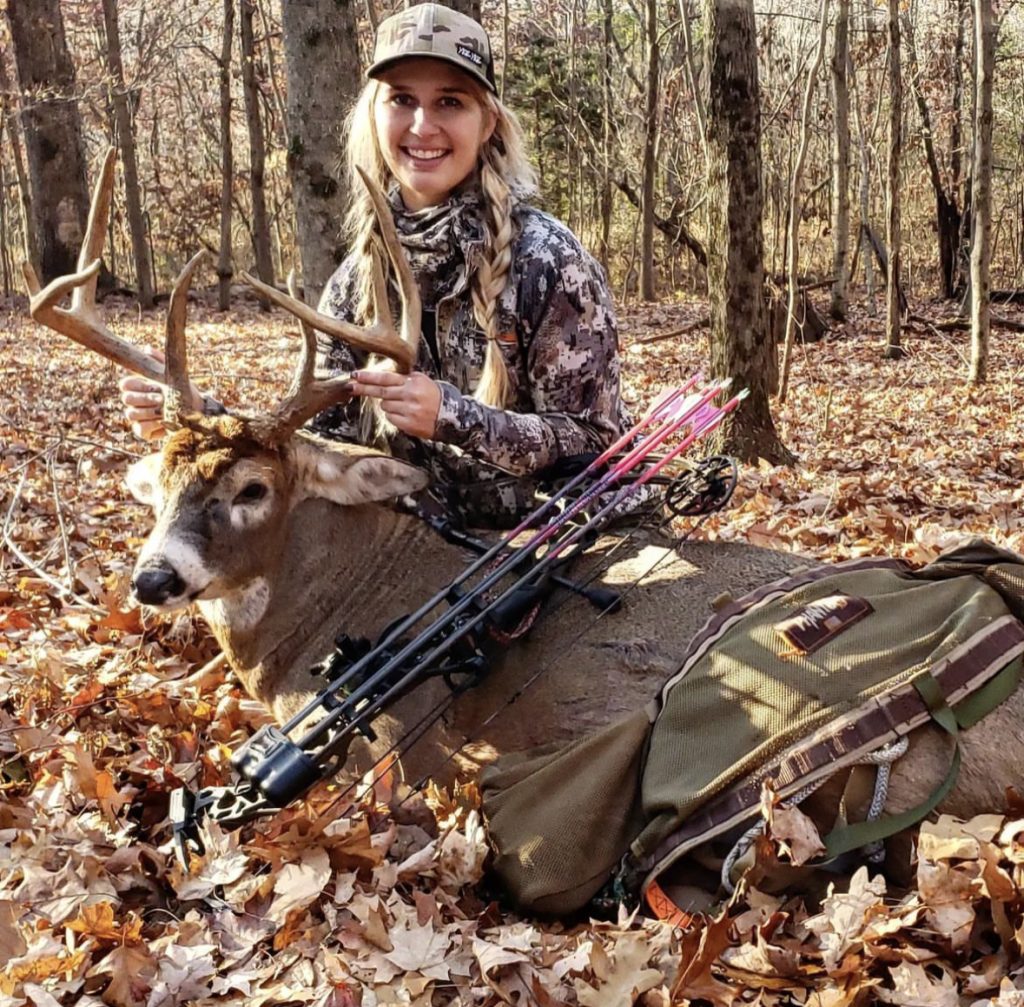
What are the consequences of a late or early rut for the deer population?
The timing of the rut, whether it occurs earlier or later than usual, can have various consequences for the deer population and their overall reproductive success. Both early and late ruts can impact the population dynamics, health, and survival of deer in different ways:
Consequences of an Early Rut:
- Fawn Survival: An early rut can lead to fawns being born earlier in the year. While this may give fawns more time to grow and prepare for winter, it can also expose them to harsher weather conditions and limited food availability if the rut is significantly out of sync with the usual seasonal patterns.
- Food Availability: Early ruts may coincide with a time when natural forage and food sources are still limited. Pregnant does may have reduced access to nutrient-rich food, potentially affecting their reproductive success and the overall health of the fawns.
- Predation Risk: Fawns born during an early rut may be more vulnerable to predation due to their smaller size and less-developed ability to escape predators.
- Behavioral Changes: Bucks may experience hormonal changes earlier in the year, affecting their behavior and interactions with other deer. This could potentially lead to shifts in dominance and territorial behavior.
- Potential for Multiple Breeding Attempts: An early rut may provide opportunities for does that did not conceive during the first estrus cycle to come into estrus again, potentially leading to a higher number of multiple breeding attempts.
Consequences of a Late Rut:
- Delayed Fawn Births: A late rut can result in fawns being born later in the year. While this may give does more time to access better food resources, it could also mean that fawns have less time to grow and prepare for winter, potentially affecting their survival rates.
- Overwinter Challenges: Late-born fawns may face more significant challenges during the winter months, including colder temperatures and potentially reduced food availability.
- Synchronization with Seasonal Resources: A late rut may result in fawn births aligning better with the availability of natural food resources and improved weather conditions during the spring and summer.
- Competition for Food: During a late rut, pregnant does may face increased competition for food resources as other wildlife species and deer prepare for the winter.
- Shorter Breeding Season: A late rut could lead to a shorter breeding season, which might impact the overall reproductive success of the deer population.
It’s important to note that deer populations are generally resilient and have evolved various strategies to adapt to changing conditions. While early or late ruts can influence the timing of fawn births and impact survival rates, deer have evolved to maximize their reproductive success based on the prevailing environmental conditions. Wildlife managers and researchers monitor these trends to better understand how the timing of the rut can influence the dynamics of deer populations over time.
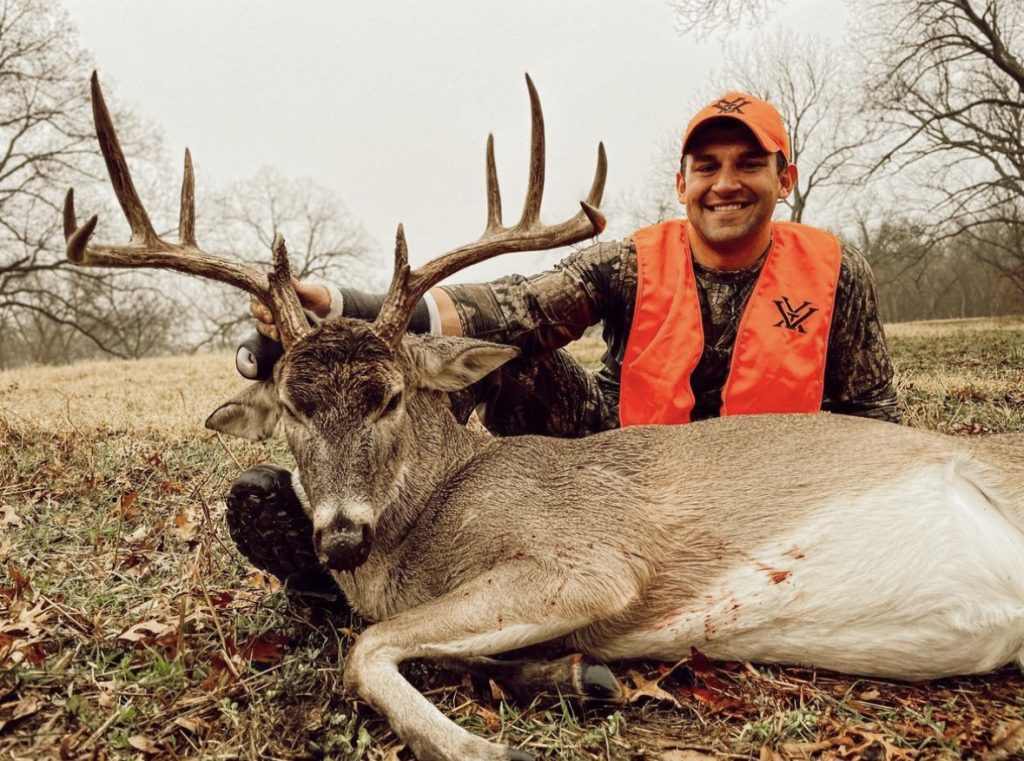
How does weather impact the whitetail rut?
Weather can have a significant impact on the whitetail rut, influencing deer behavior, breeding success, and overall population dynamics. The timing and intensity of the rut can be influenced by various weather-related factors, such as temperature, precipitation, and daylight hours. Here’s how weather can impact the whitetail rut:
- Temperature: The only role that temperature plays in the timing of the whitetail rut is how much daylight activity occurs during the daylight while hunters are in the woods. There’s nothing stopping the rut, but temperature can suppress visible daytime movement.
- Daylight Hours: The changing length of daylight hours is one of the primary environmental cues that trigger the rut. As the days shorten in the fall, the hormone melatonin is produced for longer periods at night, which, in turn, stimulates hormone production in deer, including the release of testosterone in bucks.
- Precipitation and Food Availability: Adequate rainfall can positively impact food availability, providing nutritious forage for deer during the critical pre-rut and rutting periods. Abundant food sources can contribute to the overall health and condition of deer, enhancing their reproductive success. Unless it’s a toad strangling, downpour rain event, the bucks are still going look for does. Once they find a receptive doe, they may hold tight to cover and stay bedded longer than expected. Days of light rain have helped me put multiple bucks on the ground during the rut. Science proves that moist air and ground allows deer and other animals a better advantage in using their nose, as smells hold tighter to the ground. Heavy downpours will erase ground smells, even at scrapes. Bucks and does will often frequent scrapes to refreshen them with their scent as soon as possible.
- Cold Snaps: Sudden drops in temperature, particularly during the rut, can trigger increased deer activity. Bucks may become more active and aggressive during cold snaps as they search for receptive does. This is the environmental conditions that hunters dream about!
- Weather Extremes: Severe weather events, such as hurricanes, heavy storms, or unseasonal snowfalls, can disrupt deer movements and rutting behavior. These extreme weather events may cause deer to seek shelter, alter their feeding patterns, or delay rut-related activities. Extreme temperature changes, even drops, can negatively impact deer movement for a day or two, but deer still have to eat and they still rut.
- Moon Phase: While not directly related to weather, the moon phase can influence deer activity during the rut. Some studies suggest that deer may be more active and engage in more daytime rutting behavior during the full moon. Regardless of your opinion about the rutting moon, the Red Moon has helped give hunters the confidence to climb into the treestand for decades, putting a bunch of big bucks on the ground.
It’s important to remember that deer populations in different regions have evolved to adapt to local climate conditions, and their rutting behaviors may vary accordingly. Additionally, weather patterns can be variable from year to year, leading to some annual fluctuations in the timing and intensity of the whitetail rut. Wildlife managers and hunters often consider weather conditions when planning activities related to deer population management or rut-related hunting.
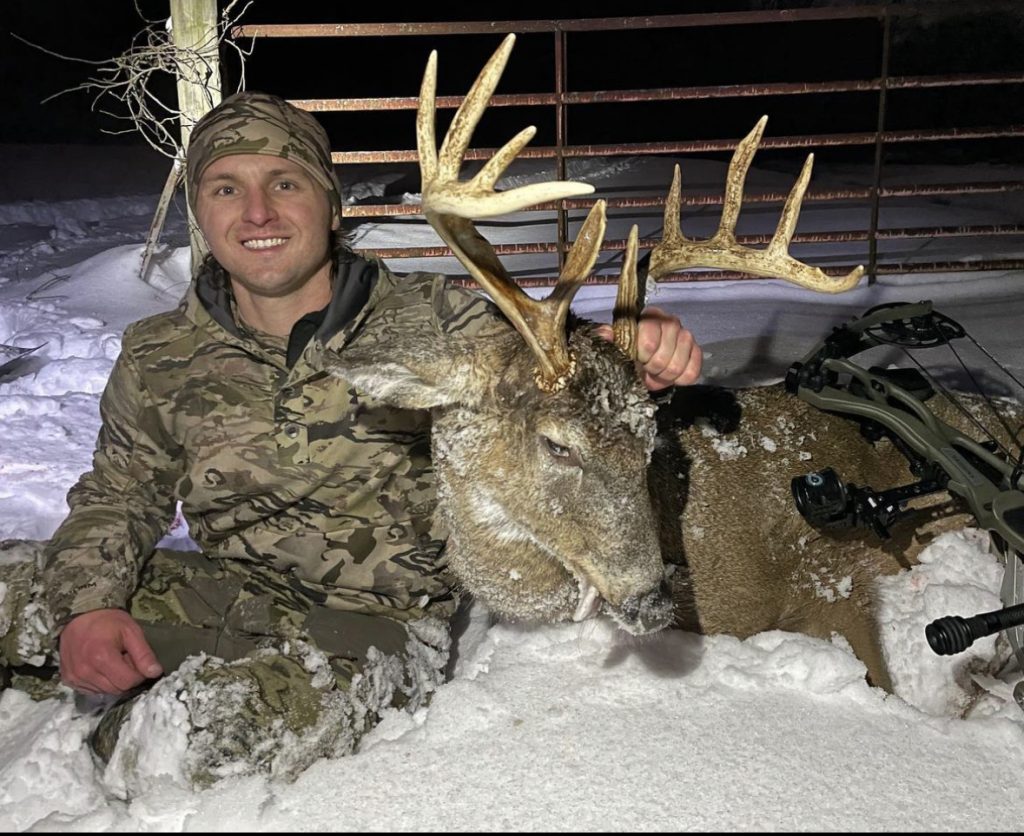
Do deer exhibit different rutting behaviors in urban or suburban environments compared to rural areas?
Yes, deer can exhibit different rutting behaviors in urban or suburban environments compared to rural areas due to the unique challenges and opportunities presented by human-altered landscapes. These differences can be influenced by factors such as habitat availability, human presence, and altered social dynamics. The rut will still occur, but sometimes it doesn’t look the same as areas where deer live alone, without consistent human pressure. Here are some ways in which rutting behaviors in urban or suburban environments might differ from those in rural areas:
1. Reduced Home Range: In urban and suburban environments, deer populations often have limited access to large natural habitats. As a result, bucks’ home ranges may be smaller compared to those in rural areas, leading to more concentrated interactions between individuals.
2. Human Disturbance: Deer in urban and suburban areas frequently encounter human activity and infrastructure, which can impact their rutting behaviors. Increased human presence may alter deer movement patterns and make bucks more wary or less aggressive during the rut. Deer tend to get used to being around people in urban environments and will tolerate more human presence.
3. Altered Social Dynamics: In areas with high deer densities and limited natural space, deer may have different social structures and behaviors compared to those in rural areas. Bucks may encounter a higher number of potential rivals and mates in a smaller area, leading to more intense competition and potentially different mating strategies.
4. Traffic Hazards: Deer in urban and suburban areas face increased risks of vehicle collisions, especially during the rut when their movements may be more erratic. This heightened risk can influence deer behavior and mating patterns. Even in rural areas, deer are a driving hazard on the road. An increase in deer-related vehicle collisions is a key indicator that rut is heating up in your area.
5. Limited Breeding Space: In areas with fragmented habitat, does may have limited access to suitable breeding and fawning areas. This can influence buck movement and breeding strategies.
6. Hunting Restrictions: In some urban or suburban areas, hunting may be limited or prohibited. This can result in deer populations with older age structures, potentially affecting buck dominance and behavior during the rut. Also, it can lead to an over population of deer, which allows younger bucks the opportunity to participate in the breeding cycle in greater numbers.
It’s important to recognize that the impact of urbanization on deer behavior and rutting patterns can be highly variable, depending on the specific characteristics of each location. Urban deer management requires a careful balance between human safety, wildlife conservation, and ecological considerations. Understanding how deer adapt their rutting behaviors in response to urbanization can inform effective management strategies and coexistence efforts.
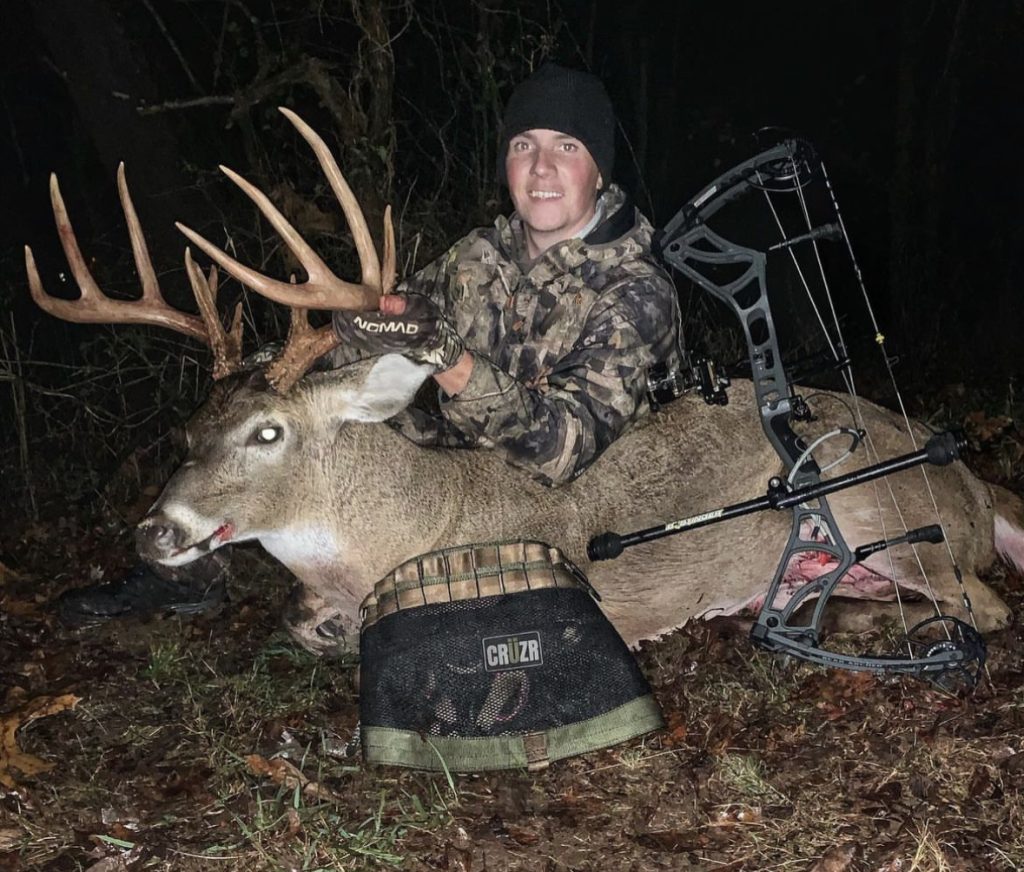
What role do dominant bucks play during the rut, and how do they establish their hierarchy?
During the rut, dominant bucks play a crucial role in the breeding process and the establishment of social hierarchy among male deer. Dominant bucks are those that have achieved high social status within the population, and they often have the first opportunity to mate with receptive does. However, it doesn’t mean that dominant bucks breed the most does. Most studies show that the majority of does in the wild are bred by younger bucks. Dominant bucks still breed, they’ve just smartened up through the years and have a routine. Here’s a closer look at the role of dominant bucks during the rut and how they establish their hierarchy:
1. Mating Priority: Dominant bucks have the advantage of being the first to mate with receptive does. They actively seek out estrus females and will aggressively defend their mating rights against other bucks.
2. Establishing Territory: Dominant bucks establish and defend territories during the rut. These territories, often referred to as “core areas” or “rutting areas,” contain resources such as food, water, and cover, which attract receptive does. Dominant bucks use various scent-marking behaviors, such as rubbing trees and urinating in scrapes, to establish and maintain their presence within their territory.
3. Antler Size and Displays: Antler size and quality are important indicators of a buck’s social status. Dominant bucks typically have larger, more impressive antlers, which can be used for both display and as weapons during confrontations with other bucks. Just because a buck has big antlers doesn’t mean that he’s the dominant buck in the area. Back in 2011, I was hunting a 170 class 10 point, getting him on camera on a regular basis until a big-bodied seven-pointer showed up and claimed the area. The seven-point wouldn’t score Pope & Young, but it was evident from their body language on camera that he was the dominant buck in the area. The big buck moved out and was hard to find afterward.
4. Aggressive Behavior: Dominant bucks exhibit more aggressive behaviors, especially towards subordinate bucks and potential rivals. They may engage in sparring matches or even more intense physical confrontations to establish their dominance and secure mating rights.
5. Harem Formation: Dominant bucks may establish a harem, a group of does that they guard and mate with exclusively during the rut. While some dominant bucks successfully maintain harems, others may only have temporary access to receptive does before other dominant challengers take over. Many savy hunters have learned to hunt certain doe groups instead of specific bucks during the rut. Look for scrapes on the downwind side of the doe bedding areas as the rut begins.
6. Subordinate Behavior: Subordinate bucks, those with lower social status, often avoid direct conflicts with dominant bucks to minimize the risk of injury. Instead, they may resort to staying on the periphery of the dominant buck’s territory or seeking out less desirable mates. Antler size doesn’t indicate the bucks dominance as some large antlered bucks avoid confrontation with other bucks and do not participate in intense breeding activity during the rut as well.
7. Rutting Behavior: Throughout the rut, dominant bucks are highly active, searching for estrus does and defending their territories from rivals. They may engage in vocalizations, scent-marking, and other behaviors to attract mates and assert their dominance.
It’s important to note that dominance and social hierarchy among bucks are not static. As the rut progresses, the hierarchy can shift based on the strength and status of individual bucks. Younger bucks are typically subordinate to older, larger bucks, but they may still challenge for mating rights or attempt to breed with does when the opportunity arises. It’s not uncommon to see multiple bucks chasing a doe in deer herd with a well-balanced sex ratio.
Overall, the role of dominant bucks during the rut is to maximize their reproductive success by securing access to mates and defending their territories and harems. Their behaviors during this period are driven by strong hormonal changes and the desire to pass on their genes to the next generation.
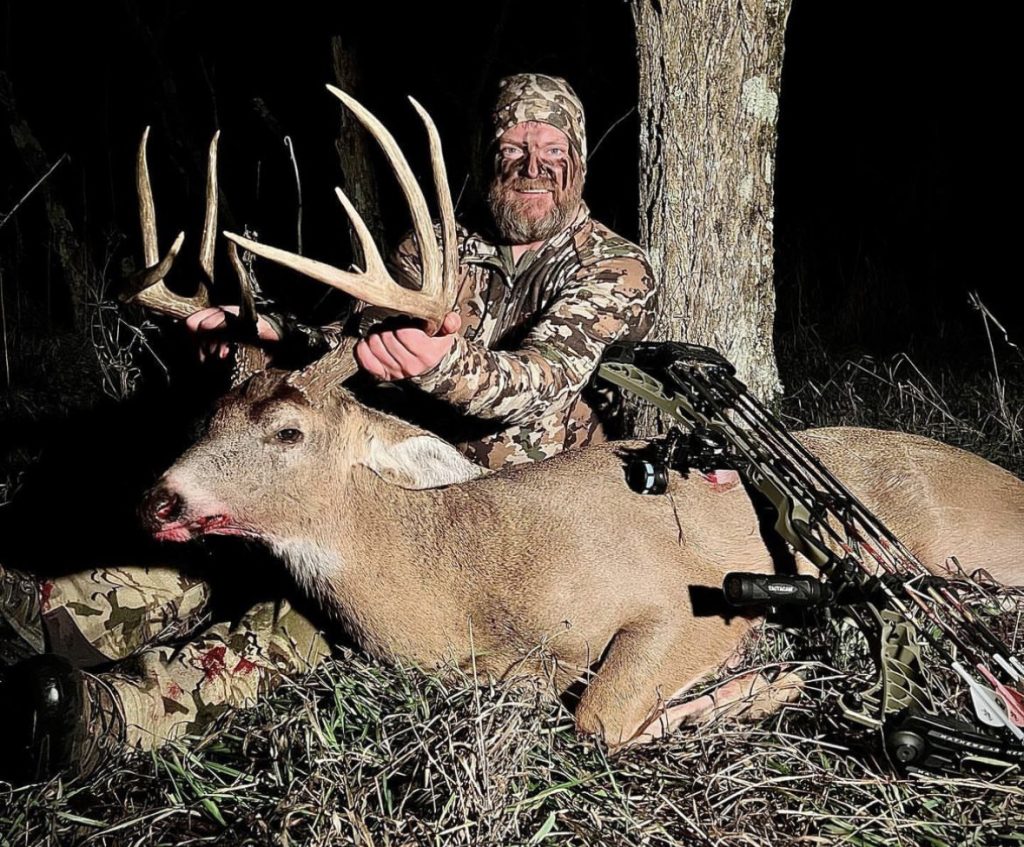
Are there any specific changes in deer physiology during the rutting season?
Yes, there are specific changes in deer physiology during the rutting season, especially in male deer (bucks). The rut is driven by hormonal changes and triggers various physiological adaptations to prepare bucks for mating and competing for mates. Some of the key physiological changes in bucks during the rut include:
- Testosterone Levels: One of the most significant changes during the rut is the surge in testosterone levels in bucks. Testosterone is responsible for driving mating behaviors, increasing aggression, and promoting the development and hardening of antlers, which occurs prior to the start of the rut.
- Scent Glands: Bucks have specialized scent glands, including the preorbital glands around the eyes, tarsal glands on their hind legs, and forehead glands. These glands become more active during the rut, and bucks use them to leave scent markings on the environment and communicate with other deer.
- Vocalizations: During the rut, bucks may produce vocalizations such as grunts and snort wheezes to communicate with does and challenge other bucks. These vocalizations are driven by hormonal changes and the desire to attract mates.
- Urinary Marking: Bucks engage in urinary marking by urinating in scrapes they create on the ground. This behavior is influenced by hormonal changes and serves as a means of communication with does and other bucks.
- Increased Aggression: Rising testosterone levels can lead to increased aggression among bucks as they compete for mates. This aggression is often observed during sparring matches between bucks to establish dominance.
- Neck Swelling: As testosterone levels rise, bucks’ necks often become visibly swollen. This is commonly referred to as “necking up” and is a visual sign of a buck’s readiness for the rut.
- Decreased Feeding: As bucks become more focused on mating and territorial behaviors, their interest in food often decreases during the peak of the rut. They may spend more time searching for does and engaging in rut-related activities.
These physiological changes in bucks during the rut are essential adaptations that help ensure successful breeding and continuation of the species. It’s important to note that while bucks experience significant changes during the rut, female deer (does) also undergo hormonal shifts that make them receptive to mating. The interplay of these physiological changes in both sexes is critical for the successful breeding and reproduction of the deer population.
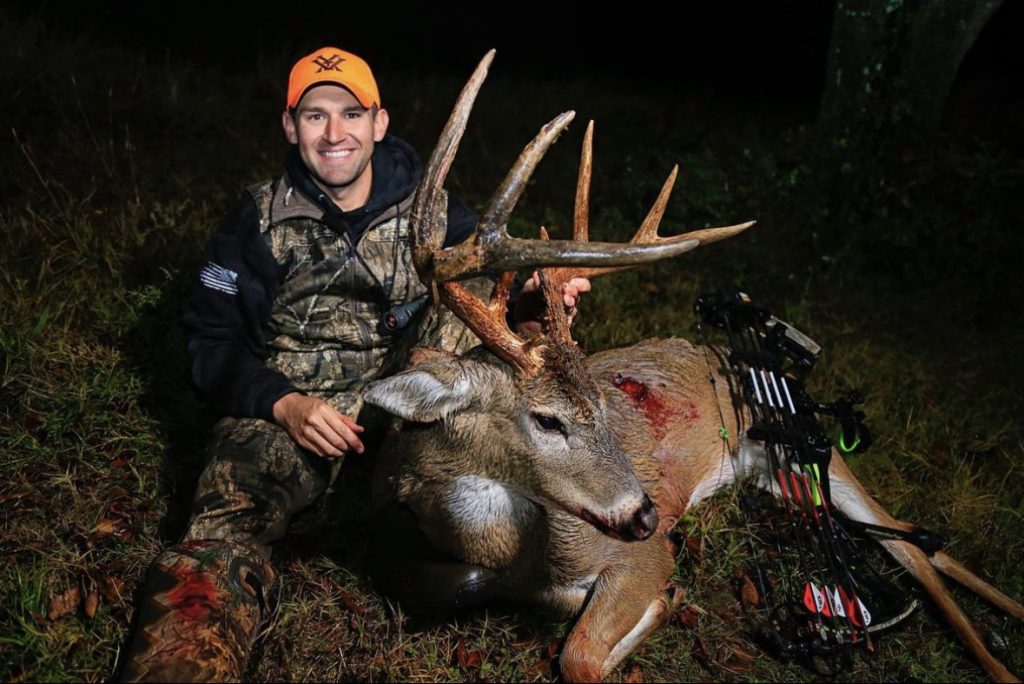
How far do bucks typically roam from their home range while searching for does during the rut?
During the rut, bucks can exhibit extensive roaming behavior as they actively search for receptive does to mate with. The distance they travel from their home range can vary significantly depending on several factors, including population density, availability of does, and habitat quality. However, on average, bucks may roam several miles during the peak of the rut, as well as the secondary rut.
In areas with high deer population densities and limited competition, bucks may not need to travel far to find receptive does. In such cases, their roaming distance might be relatively small for dominant bucks, often staying within or near their established home range. On the other hand, in areas with lower deer densities or higher competition for mates, bucks may travel much farther in search of does. Some studies have documented bucks traveling up to 5-10 miles or even more from their core home range during the rutting season. The willingness of bucks to roam extensively is influenced by the strong drive to find and breed with as many does as possible. It’s important to note that individual buck behavior can also vary, and not all bucks will roam equally far during the rut. Some mature, dominant bucks may have established territories that attract receptive does, reducing the need for extensive roaming.
Additionally, environmental factors such as the availability of food and cover can influence the roaming behavior of bucks. Areas with abundant food resources and suitable cover may support a higher density of does, reducing the need for bucks to venture far from their core area. Overall, the distance bucks roam during the rut is a dynamic and complex aspect of their breeding behavior, and it can vary widely depending on a combination of ecological factors and individual characteristics.
One of the largest movements that I’ve personally documented occurred during the secondary rut in southern West Virginia. Late December often includes a few young does that come into estrous for the first time. A buck named Dagger moved from his core area to a measured straight line distance of 3 miles away. This included crossing the road. This buck had a unique antler that was unmistakable and thankfully my buddy Josh Bias was the lucky guy who had him on camera. The buck later returned to his core area but I never sealed the deal on the buck named Dagger.
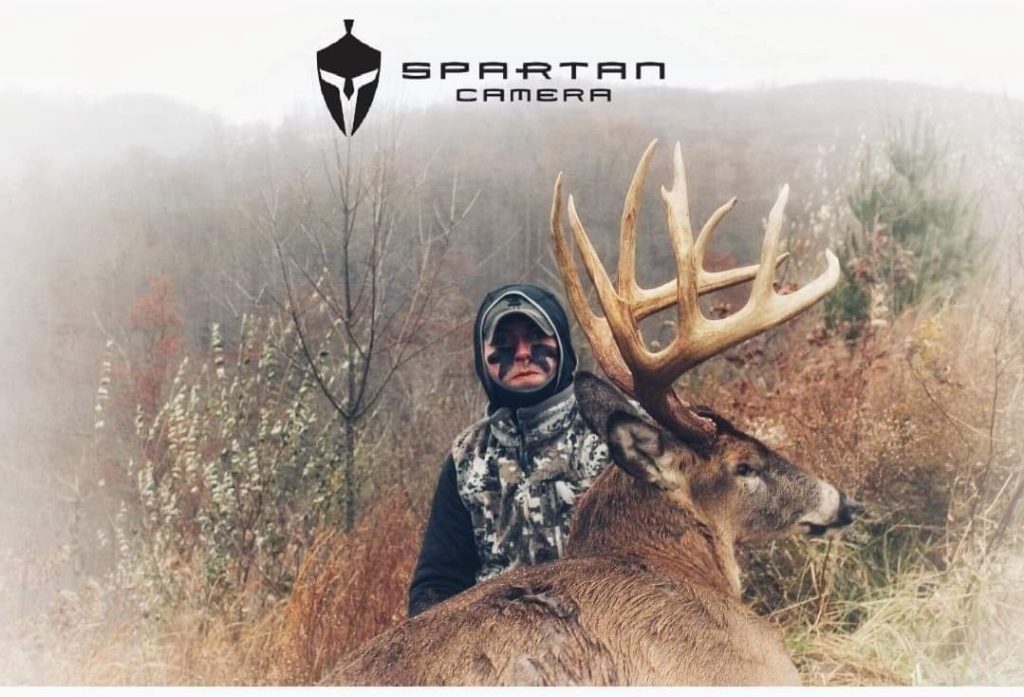
What are some common signs to look for to determine if the rut is starting in a particular area?
Recognizing the signs that the rut is starting in a particular area can be crucial for hunters, wildlife enthusiasts, and researchers. While the timing and intensity of the rut can vary based on location and climate, here are some common signs to look for:
- Increased Deer Activity:
- As the rut approaches, you may notice an uptick in deer activity during daylight hours. Bucks become more active as they search for does, even during the traditionally quieter parts of the day. This increase in daylight activity from bucks is what draws hunters into the woods each fall. One key indicator of the whitetail rut is starting to heat up is the increase in the number of deer and vehicle-related conditions. Be on the lookout as the rut approaches and you’ll see exactly what I’m talking about.
- Buck Rubs:
- Bucks will rub their antlers against trees and shrubs to mark their territory and show their dominance. Fresh rubs on trees indicate the presence of bucks and their readiness for the rut, sometimes. Bucks start rubbing trees to remove the velvet from their antlers. Then, bucks will rub trees establish their territories, and signal to other deer that they’re in the neighborhood. These activities strengthen the neck muscles of the buck, preparing them for harsh battles during the rut. As the rut roles around, bucks will discharge some of their built-up energy on a nearby tree, often as a sign of aggression before fighting/sparring with other bucks.
- Scrapes:
- Bucks create scrapes by pawing at the ground, typically under overhanging branches. They then urinate in the scrape, leaving scent markings to attract does. Fresh scrapes are a good sign that the rut is starting or is imminent. Large community scrapes or my favorite place to hang trail cameras to take inventory of deer movement in an area. You’ll find that primary scraping is done the most at night
- Vocalizations:
- Bucks will make vocalizations, such as grunts and snorts, to communicate with does and challenge other bucks. Mimicking these sounds is a key strategy in luring bucks into bow range during the rut.
- Chasing Behavior:
- As the rut progresses, you may witness bucks actively chasing does as part of the mating process. This behavior is a clear indication that the rut is underway. Young bucks will often start chasing as soon the velvet is shed from their antlers, but it will be a month or so until the does are receptive to the chasing behavior. If you see a doe walking around with her tail stuck straight out (parallel to the ground) this is an indicator of her being in estrous and more receptive to breeding.
- Visible Neck Swelling:
- During the rut, bucks’ necks often become visibly swollen as a result of increased testosterone levels. This is known as “necking up,” and it’s a reliable sign that the rut is occurring. Sparring during the early season and rubbing trees help them build up their neck muscles. By the end of the rut, their neck muscles and body size will diminish.
- Aggressive Behavior:
- Bucks can become more aggressive toward each other during the rut as they compete for mates. Sparring matches between bucks are common during this time. Rattling is a good strategy to help call aggressive bucks into shooting range. In severe cases, bucks will even fight to the death!
- Change in Deer Movement Patterns:
- The rut can cause deer to alter their typical movement patterns. They may range over larger areas or appear in unexpected locations as they search for mates. Don’t be surprised when trail cameras reveal a buck cruising mid-day, or a few bucks show up on camera that you don’t recognize.
It’s essential to note that the intensity of these signs can vary based on the local deer population and environmental factors. Additionally, the timing of the rut can differ depending on the region and the specific deer population’s characteristics. Observing these signs can provide valuable insights into the onset of the rut and help individuals plan their hunting or wildlife-watching activities accordingly.

Do deer in captivity or game reserves experience the rut at different times than wild deer populations?
-
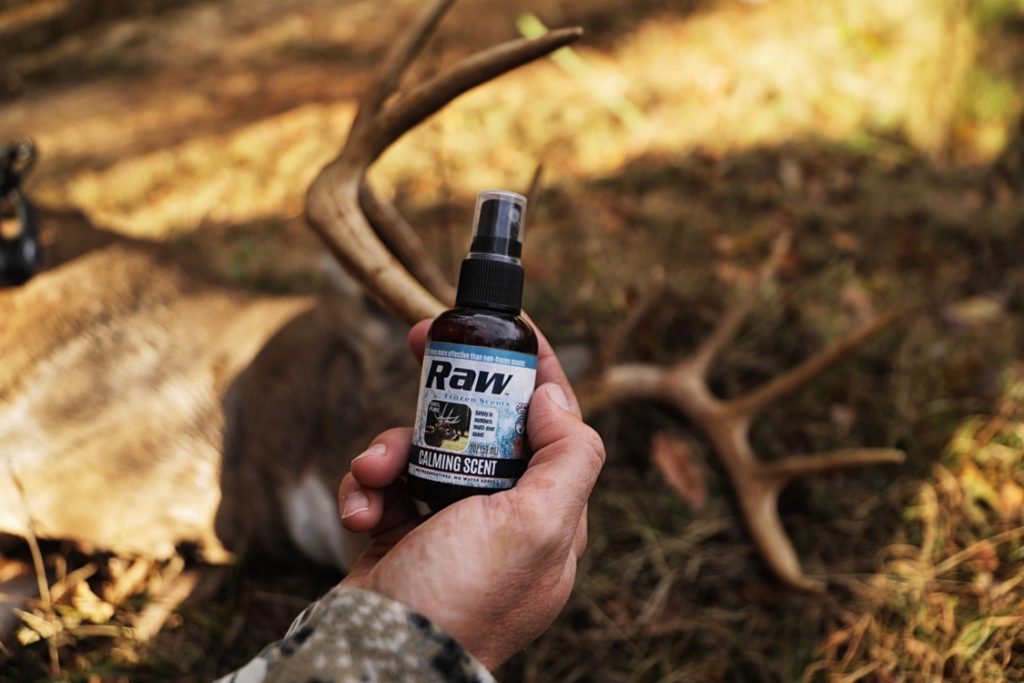
- Yes, deer in captivity or game reserves can experience the rut at different times than wild deer populations. The timing of the rut is influenced by various factors, including photoperiod (day length), environmental conditions, and social cues from other deer. In captive settings or game reserves where these factors may differ from the natural environment, the timing of the rut can be altered. Altering the timing of the estrous cycle of a doe allows deer urine collectors the ability to bottle doe estrous scent all year long.
How has human activity, such as land development or hunting, impacted the timing and behavior of the whitetail rut?
-
- The timing of the whitetail rut will not change due to human activity, however, visible rutting activity could be hindered as deer tend to be negatively impacted by human pressure. Don’t be surprised if your wife texts you while you’re in the treestand to tell you that there’s a buck chasing a doe through your backyard!
Are there any conservation efforts or management strategies in place to protect deer populations during the rutting season?
-
- Conservation efforts and management strategies for protecting deer populations during the rutting season can vary depending on the specific goals and challenges faced by each region or jurisdiction. Each state has different management goals and will utilize hunting season for management purposes. Some common approaches that wildlife managers might use would include:
- Hunting Regulations
- Many regions implement specific hunting seasons and regulations to manage deer populations, including restrictions on hunting during the peak of the rutting season. This helps reduce the impact of hunting pressure on breeding deer.
- Antler Point Restrictions
- Some areas have implemented antler point restrictions, which require hunters to harvest bucks with a certain minimum number of points on their antlers. This measure aims to protect younger bucks during the rut, allowing them to contribute to the breeding population in subsequent years.
- Harvest Quotas:
- Wildlife management agencies may set harvest quotas for bucks and does based on population data to ensure sustainable deer populations and healthy sex ratios.
- Habitat Conservation:
- Protecting and enhancing deer habitat throughout the year, including areas important for rutting behaviors, ensures that deer have sufficient resources and suitable locations for breeding and raising their young.
- Public Awareness and Education:
- Educating the public about the importance of deer conservation, the behaviors associated with the rut, and the potential impacts of human interference can foster greater understanding and support for protecting deer during this critical period.
- Research and Monitoring:
- Conducting ongoing research and monitoring of deer populations, behavior, and habitat conditions can provide valuable data for evidence-based management decisions.
- Predator Management:
- In some cases, wildlife managers may address predator populations to help reduce predation pressure on deer during vulnerable stages of their life cycle, including the rutting season.
- Collaboration with Stakeholders:
- Collaborating with hunters, landowners, conservation groups, and other stakeholders ensures a holistic approach to deer conservation and management.
- Hunting Regulations
- Conservation efforts and management strategies for protecting deer populations during the rutting season can vary depending on the specific goals and challenges faced by each region or jurisdiction. Each state has different management goals and will utilize hunting season for management purposes. Some common approaches that wildlife managers might use would include:
Ready to protect yourself? If so, follow the links for each item listed above to help you protect yourself from ticks and chiggers this hunting season.
Hunting Gear Deals is funded by affiliate commissions. We may receive a small commission when you buy from our partners using the links provided. There is no additional cost to you. Thanks for supporting us by using our links when making your purchases.

AUTHOR BIO
Hi, I’m Camron the owner of Hunting Gear Deals. I’m an avid bowhunter with a knack for finding good deals on hunting gear and love to help you save money on hunting gear. I’m also the owner of the popular Bucks, Bulls, & Bears email newsletter that’s built to educate and entertain hunters. If you haven’t subscribed, you’re missing out! Last but not least, I’m proud to say that I work for Whitetail Properties as a Land Specialist in Ohio. If you’re in the market for hunting property, shoot me an email and I’d love to help you find your dream property.
Instagram- @huntinggeardeals